


How to be old, for young people.
The Golden Age Is Behind Us: How the Status Quo Impacts the Evaluation of Technology
New technology invariably provokes concerns over potential societal impacts. Even as risks often fail to materialize, the fear continues. The current research explored the psychological underpinnings of this pattern. Across four studies ( N = 2,454 adults recruited via Amazon Mechanical Turk), we found evidence for the role of status quo thinking in evaluating technology. In Study 1, we experimentally manipulated the reported age of unfamiliar technology and found that people evaluate it more favorably when it is described as originating before (vs. after) their birth. In Studies 2 through 4, participants’ age at the time of invention strongly predicts attitudes toward a wide range of real-world technologies. Finally, we found that individual differences in status-quo-based decision-making moderated evaluations of technology. These studies provide insight into how people respond to the rapidly changing technological landscape.

The Computer for the 21st Century
one more final edit from me to go The Computer for the 21st Century
Growing up in the online world: a national consultation
We are consulting on further measures to prepare children for the future in an age of rapid technological change. This includes potential age restrictions on social media and other services such as gaming sites and AI chatbots, restrictions on addictive design features and risky functionalities, and better support for parents and families.

36 important life and work lessons a top tech executive learned before turning 30
The days are long but the decades are short.
Technology without Industry
A home for poorly researched ideas that I find myself repeating a lot anyway
A Short History Of The Internet
I am not by any measure old unless you ask my nieces, but I remember when we had no internet and my niece's minds boggle at that, they think I must be ancient. How could you survive without the internet they asked me, in their minds the concept of no internet is pretty much science fiction and the thought of not having internet access scares them.

How to keep learning in the age of LLMs | Oğuzhan Olguncu
Notes on how I keep learning as a programmer in the age of LLMs
Maybe you should learn something
You can learn new things. Pixel art, touch typing, 3d modelling, music, calligraphy, wood working, knitting, a language. Whatever is practical and calls to you, you can learn. In the long term, learning new things is fun and makes life richer in ways you can’t even imagine, and it’s a time investment that will pay dividends for life as these skills never really go away. There are even social aspects, as you’ll quite literally become a more interesting person to talk to.
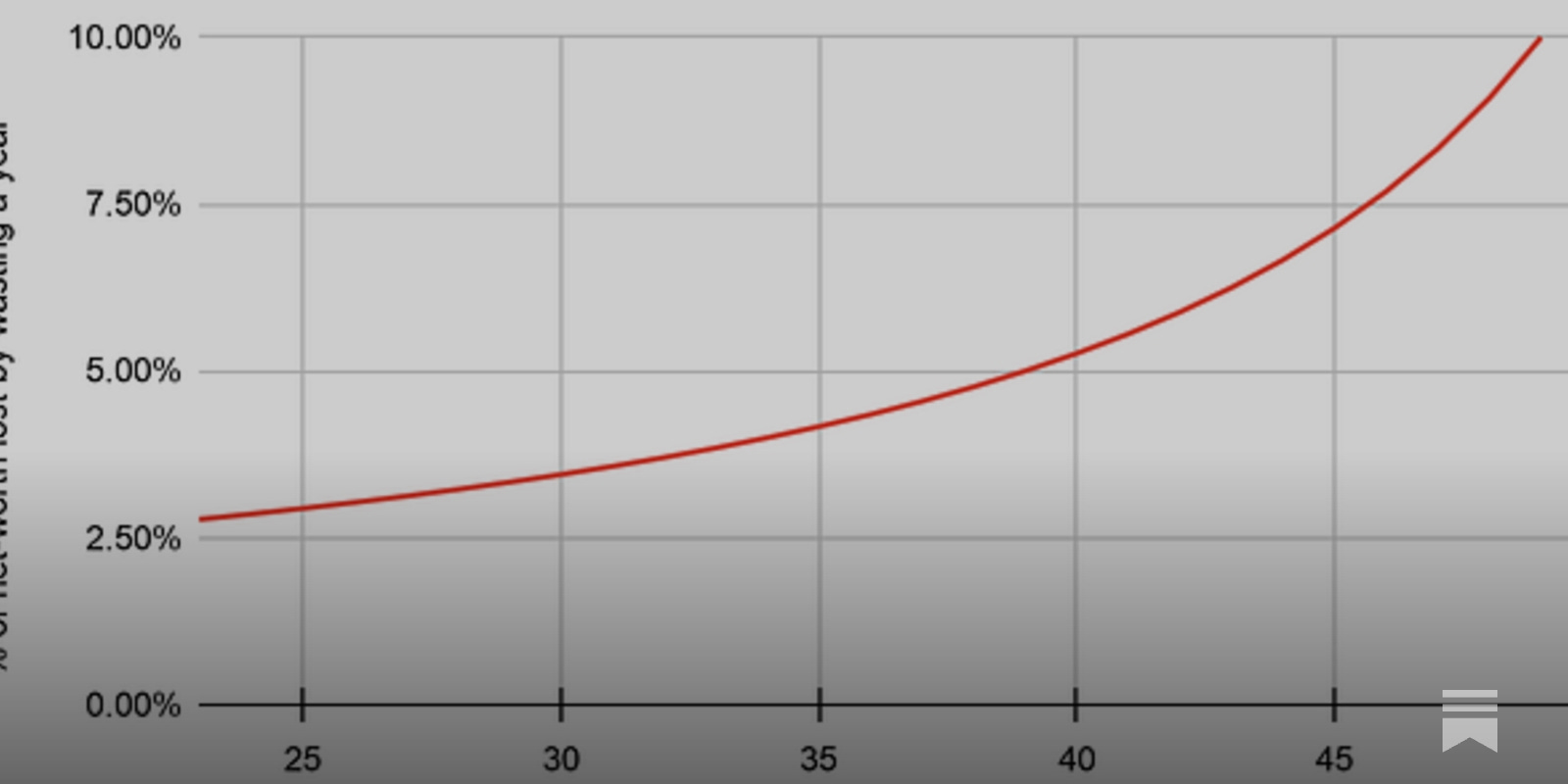
How to waste your career, one comfortable year at a time
If you are an average 30 yr old engineer, let's say you want to retire reasonably by the time you are 60. A year wasted at a poor job or role is equivalent to you throwing away 3.3% of your career. The older you get, the steeper your loss is.
Older Adults Learning Computer Programming: Motivations, Frustrations, and Design Opportunities
Online videos are a promising medium for older adults to learn. Yet, few studies have investigated what, how, and why they learn through online videos. In this study, we investigated older adults’ motivation, watching patterns, and difficulties in using ...

12 Things Everyone Should Understand About Tech
Tech is more important than ever, deeply affecting culture, politics and society. Given all the time we spend with our gadgets and apps…

Childhood and Education #20: Phones and Screens
We have a respite, so I thought I’d tackle various thoughts on children, phones and screens.
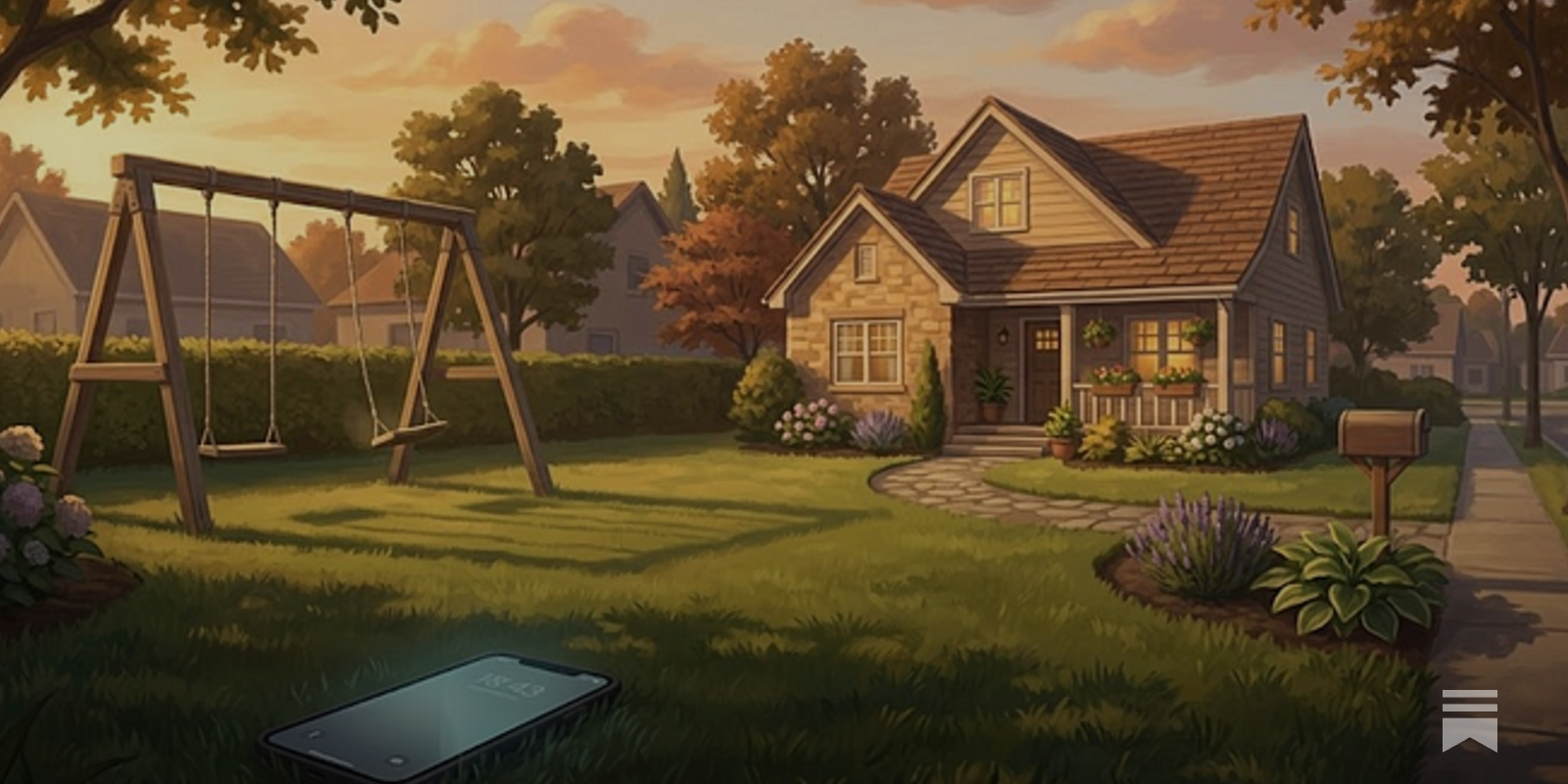
I Started Programming When I Was 7. I'm 50 Now, and the Thing I Loved Has Changed | James Randall
I still love developing but the shifts that AI have brought are tectonic and are forcing me to re-evaluate my own relationship to building things

No need to stop the 'brain rot': Modern kids aren't less intelligent | New Scientist
The idea that the rise of tech means today's young people are less intelligent than previous generations is rife – but wrong, says neuroscientist Dean Burnett

Topics — Real Life
ABOUT TOPICS: Since we began Real Life in the summer of 2016, we’ve run many essays across a range of topics, with a particular focus on the personal and cultural implications of living with technology. Our aim is not to track the news cycle so much as the longstanding social issues that inform and transcend it. We wanted to make it easier to read and explore Real Life beyond our chronological archive, so we’ve created these Topics to gather in one place the work we’ve published on some key themes. More Topics will be added to this page over time.

100 years of whatever this will be
What if all these weird tech trends actually add up to something? Last time, we explored why various bits of trendy technology are, in my o...