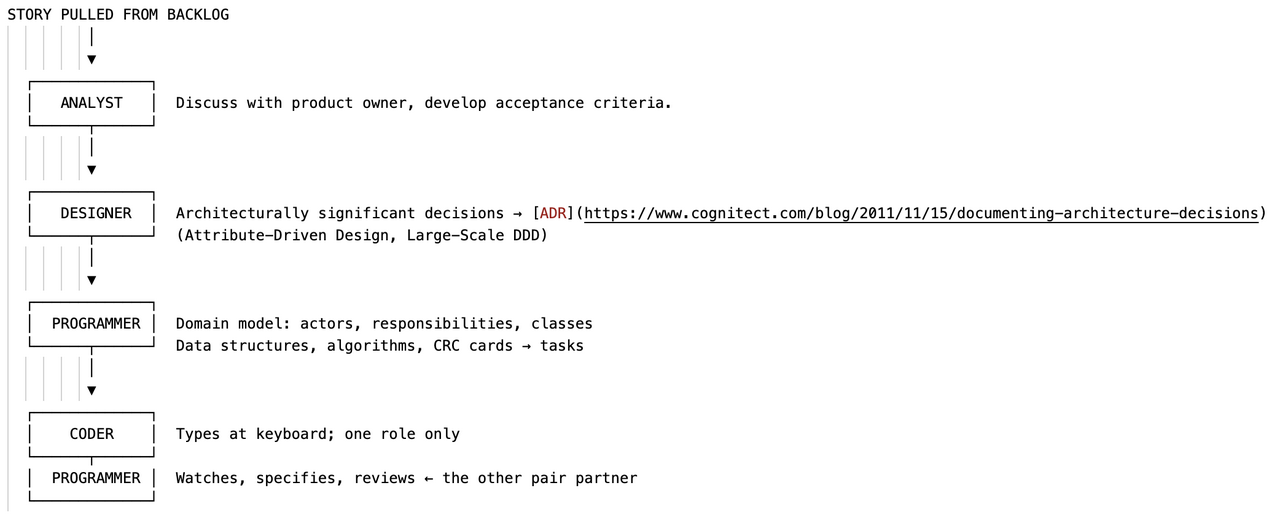
Coding agents didn't make poor engineers dangerous. They made them unstoppable.
Why AI hasn’t replaced software engineers, and won’t
Coding agents as normal technology
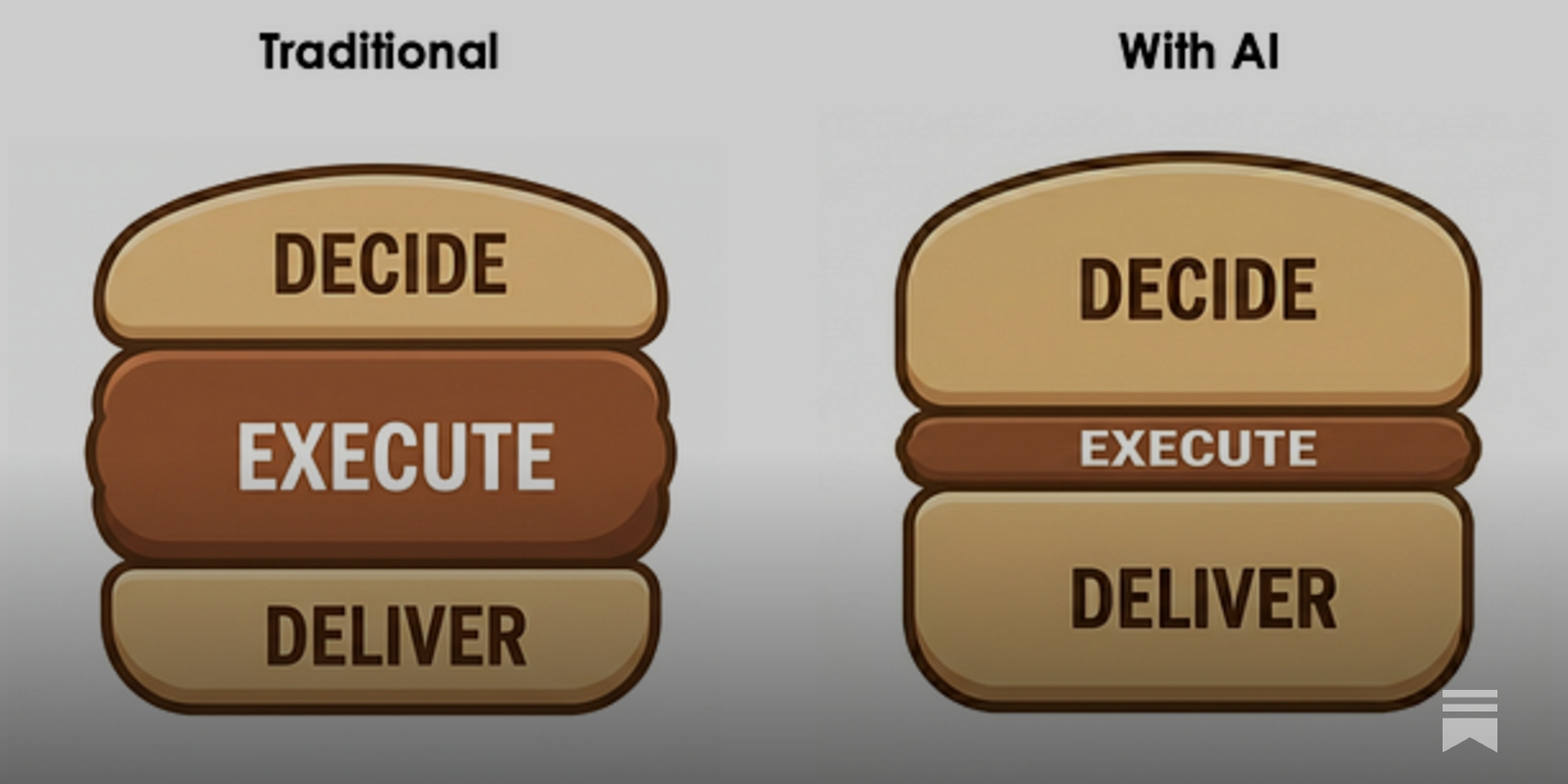
Coding Agents Are Easy, Actually - Kara's Nonsense
Software engineering is here to stay
Vulnerability Research Is Cooked
For the last two years, technologists have ominously predicted that AI coding agents will be responsible for a deluge of security vulnerabilities. They were right! Just, not for the reasons they thought.
Why Software Engineering Is Indispensable in the Age of Coding Agents
Can AI make Software Engineering (SE) -- the discipline -- obsolete? And can it make software engineers -- the professionals -- redundant? This paper argues that the rise of capable AI coding...

AI makes weak engineers less harmful
Like other kinds of puzzle-solving, software engineering ability is strongly heavy-tailed. The strongest engineers produce way more useful output than the average, and the weakest engineers often are actively net-negative: instead of moving projects along, they create problems that their colleagues have to spend time solving. That’s why many tech companies try to build a small, ludicrously well-paid team instead of a large team of more average engineers, and why so far this seems to be a winning strategy.

Mahax on Twitter / X
Head of Claude Code, Boris Cherny:"You're not supposed to write code anymore. You're supposed to build a graph that writes itself."In 30 minutes he breaks down how engineers at Anthropic build graphs that write the code, catch the bugs, and ships.Most engineers build… https://t.co/I3b2Rt2ul3 pic.twitter.com/UCPTCr1Sl7— Mahax (@Mahaximus_) September 7, 2026

10 things I learned from burning myself out with AI coding agents
Opinion: As software power tools, AI agents may make people busier than ever before.

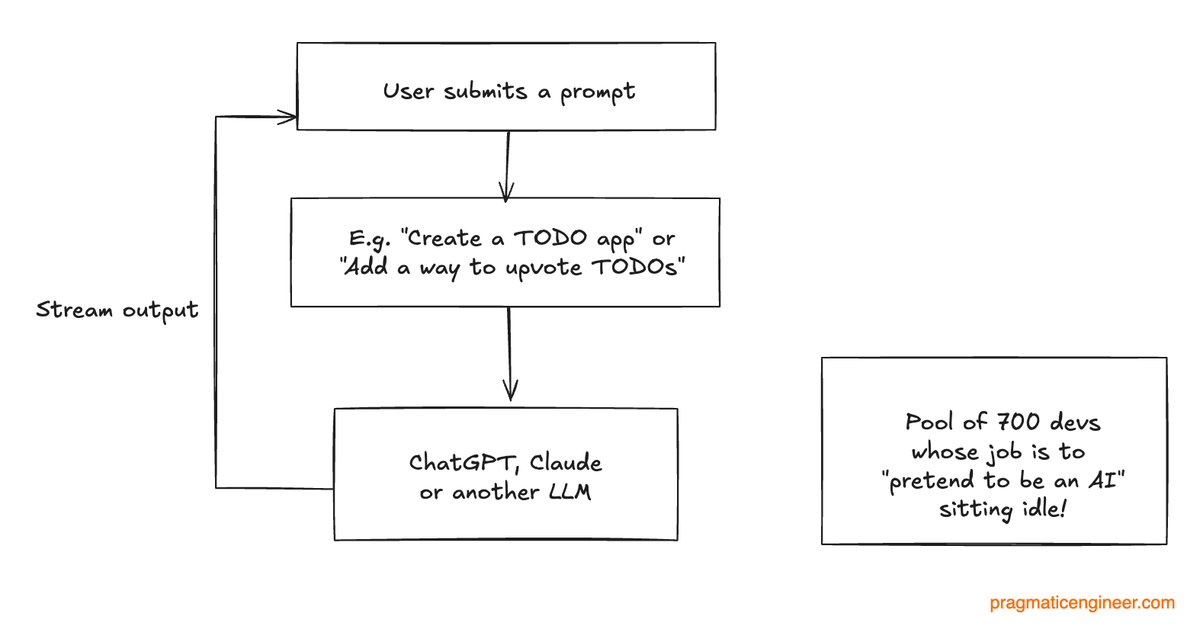
Builder.ai did not “fake AI with 700 engineers”
The claim that the AI startup “faked AI” with hundreds of engineers went viral – and I also fell for it, initially. The reality is much more sobering: Builder.ai built a code generator on top of Claude and other LLMs; it did not build a so-called “Mechanical Turk.”
Claude Code, Codex and Agentic Coding #8
When I started this series, everyone was going crazy for coding agents.

Engineers do get promoted for writing simple code
It’s a popular joke among software engineers that writing overcomplicated, unmaintainable code is a pathway to job security. After all, if you’re the only person who can work on a system, they can’t fire you. There’s a related take that “nobody gets promoted for simplicity”: in other words, engineers who deliver overcomplicated crap will be promoted, because their work looks more impressive to non-technical managers.
Skills, forks, and self-surgery: how agent harnesses grow
Claude Code, NanoClaw, and Pi take radically different approaches to harness extensibility. The tradeoff is always safety vs. agent agency.

Agent Skills
AI coding agents take the shortest path to done, which usually means skipping the specs, tests, and reviews that make software reliable at scale. Agent Skill...

AI-assisted engineers are burning out, is this fine?—Martian Chronicles, Evil Martians’ team blog
AI-assisted code generation is not free. It comes with a hidden cost: burnout. Are we dangerously ignorant to this problem? And how can we cope with it? In this post, we discuss this question.

Why AI hasn’t replaced software engineers, and won’t
Arvind Narayanan and Sayash Kappor take on the question of AI job losses through the lens of a profession that is uniquely suited to AI disruption - software engineering. In …
Coding Is Dead, Long Live Programming — Ian Cooper - Staccato Signals
Summary In this post, we argue that the role of a coder now belongs to a coding agent, but that the distinct role of a programmer define...