An aphasic space station monitors an anomalous object, while keeping the last two humans alive.
Grand Space Odyssey
A living multiplayer space odyssey where crews, ships, stations, and strange little disasters make the galaxy feel busy before you arrive.

The Anthropic Hive Mind
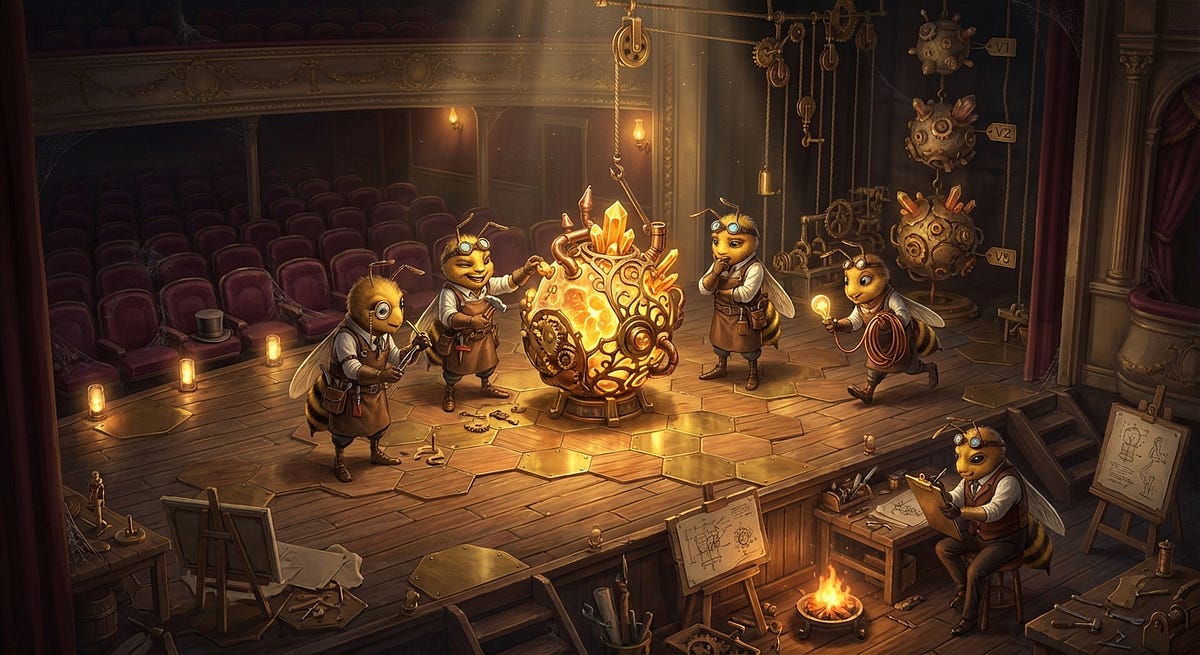
As you’ve probably noticed, something is happening over at Anthropic. They are a spaceship that is beginning to take off.
The Anthropic Hive Mind
As you’ve probably noticed, something is happening over at Anthropic. They are a spaceship that is beginning to take off.
Some Permacomputing links 🌱💽
A monitor displaying a digital acquarium framed by a plant and flower bouqet, along with knitting needles and yarn, microcassette recorder and an Ursula K Leguin booklet titled The Carrier Bag Theory of Fiction. This image is Creative Commons By attribution, Lee Tusman.
We live in a space station - jerryposts
Introducing Julia 1 | Supersonic Labs
Julia 1 is our compact decision model. Explore the research, evaluation results, limitations, and model repository.
Unnamed Space Idle
Destroy endless waves of alien ships that have all but wiped out humanity in this long form, unfolding, sci-fi idle game. Customize your ship with different weapons and defenses to defeat specific enemy types and utilize a ton of different systems to increase your overall power.

One Situation After Another
Doomscrolling is over. Now everyone is “monitoring the situation.”

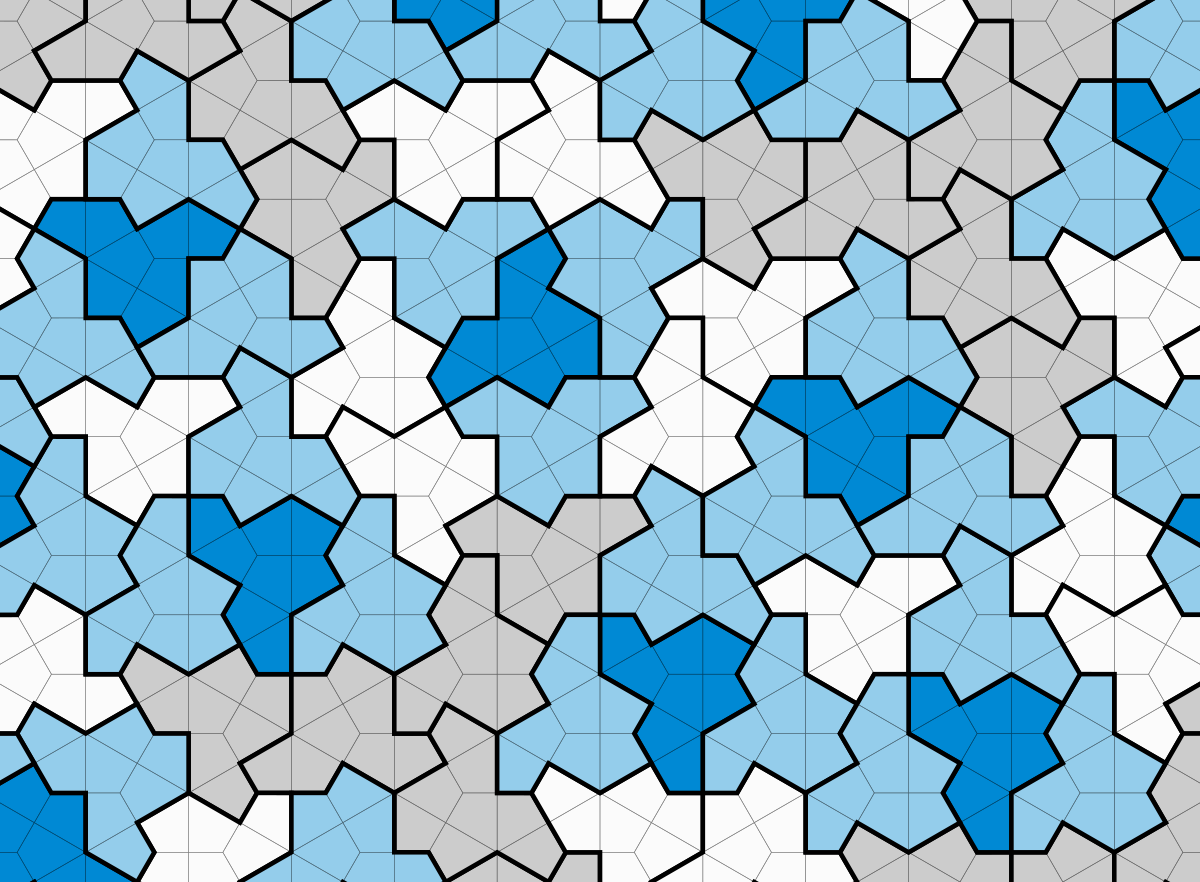
Newfound Mathematical 'Einstein' Shape Creates a Never-Repeating Pattern
A new shape called an einstein has taken the math world by storm. The craggy, hat-shaped tile can cover an infinite plane with patterns that never repeat.
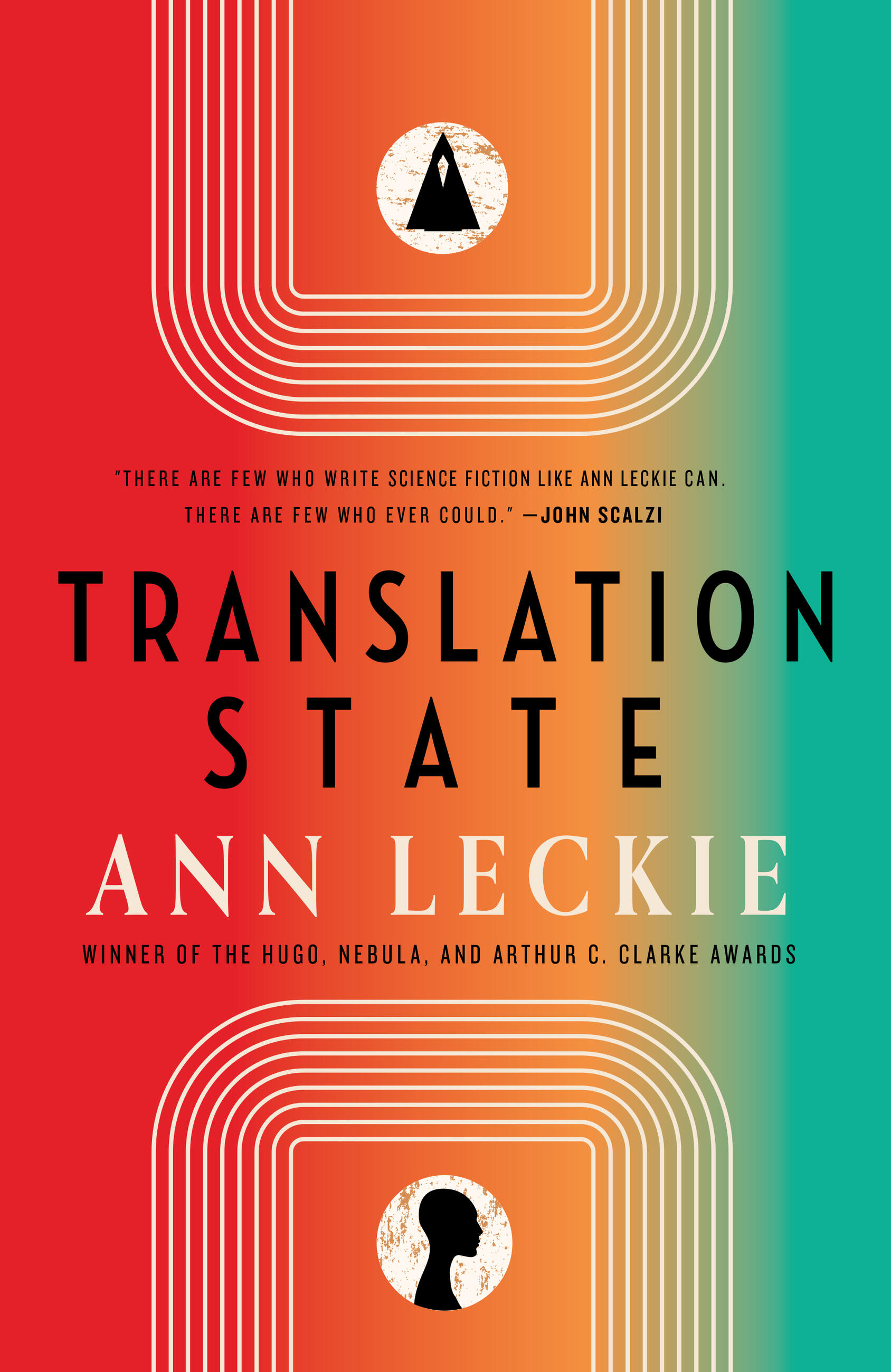
Translation State
The mystery of a missing translator sets three lives on a collision course that will have a ripple effect across the stars in this powerful novel from a Hugo...

Doll (@dollspace.gay)
It seems anthropic is catching up to doll six months ago on drift containment being paramount. https://www.anthropic.com/research/assistant-axis
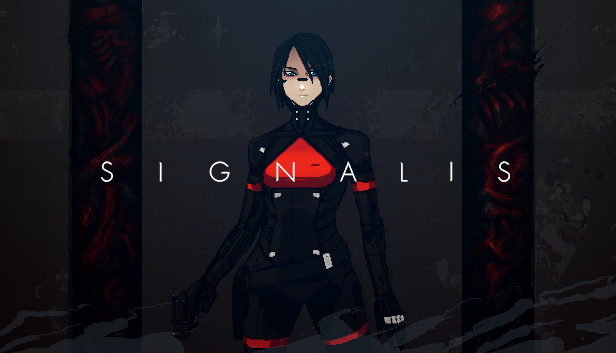
SIGNALIS
A classic survival horror experience set in a dystopian future where humanity has uncovered a dark secret. Unravel a cosmic mystery, escape terrifying creatures, and scavenge an off-world government facility as Elster, a technician Replika searching for her lost dreams.
Ursula K. Le Guin — The Dispossessed
A bleak moon settled by utopian anarchists, Anarres has long been isolated from other worlds, including its mother planet, Urras—a civilization of warring nations, great poverty, and immense wealth. Now Shevek, a brilliant physicist, is determined to reunite the two planets, which have been divided by centuries of distrust. He will seek answers, question the unquestionable, and attempt to tear down the walls of hatred that have kept them apart.

The Glimmer — thefugue.space
A brief history of my attempts to bring Spatial Computing to the wider audience..

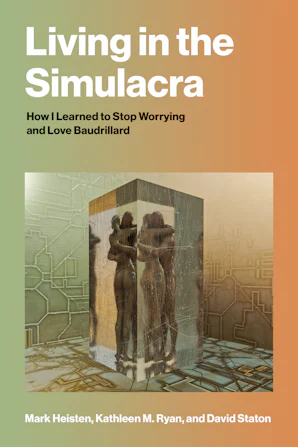
Living in the Simulacra
Despite a twenty-first-century plethora of images and our collective understanding that digital tools may alter the truth, human beings have a strong belief ...