Jeanne reveals which branches of the evolutionary tree of plants bear edible leaves and speculates about why that is. Most of the 300,000 + plant species have leaves, and the function of all of the…
List of leaf vegetables
This is a list of vegetables which are grown or harvested primarily for the consumption of their leafy parts, either raw or cooked. Many vegetables with leaves that are consumed in small quantities as a spice such as oregano, for medicinal purposes such as lime, or used in infusions, such as tea, are not included in this list.
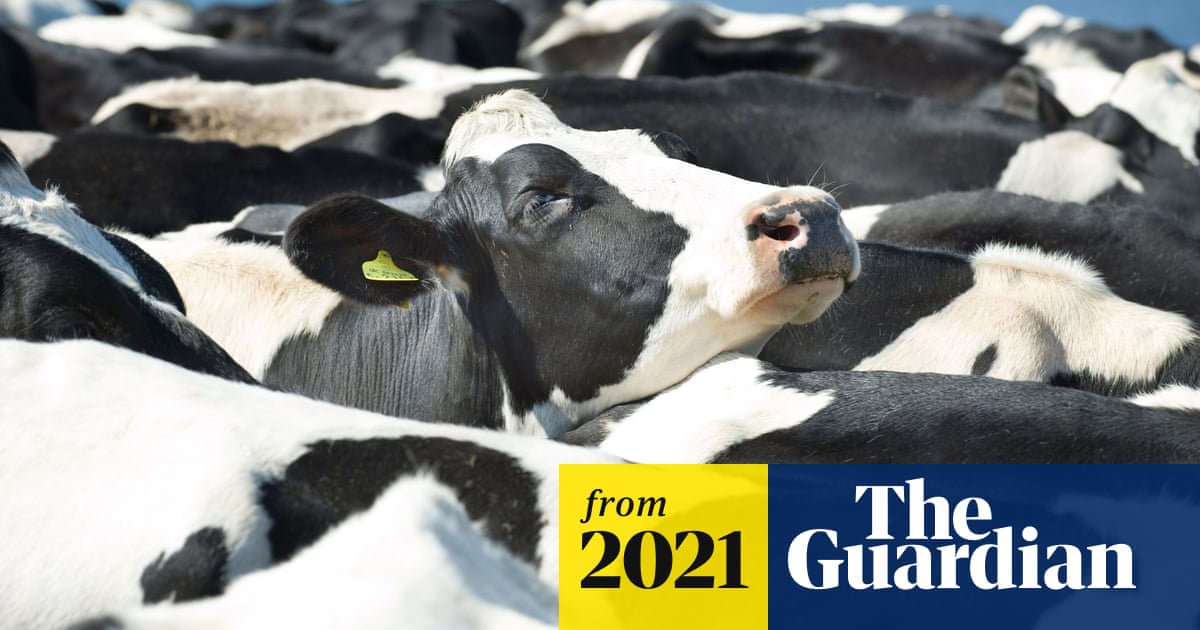
Plant-based diets crucial to saving global wildlife, says report
Vicious circle of cheap but damaging food is biggest destroyer of nature, says UN-backed report
Beneficial Plant Research Association
Medicinal, useful, and nutritious plants hold the potential to restore both human health and ecological balance.

Why animals eat psychoactive plants
Johann Hari, author of Chasing the Scream: The First and Last Days of the War on Drugs, learns about drunk elephants, the stoned water buffalo, and the grieving mongoose.

We specialize in tropical, food bearing plants, that will grow and thrive in the Canadian environment.
If you’re a European, your body requires more vegetables and grains
Genome study reveals different human groups evolved to eat specific diets.

West Coast Plants - Edible Perennial Plant Nursery
Unique edible plants for your garden or food forest. Shipping across Canada.
Conflict between Intrinsic Leaf Asymmetry and Phyllotaxis in the Resupinate Leaves of Alstroemeria psittacina
Spiral phyllotactic patterning is the result of intricate auxin transport relationships in the shoot apical meristem (SAM) that act to place auxin maxima at the future sites of leaf initiation. Inherent to this process is a bias in auxin distribution in leaf primordia, such that increased auxin is found on the descending side of the leaf (towards the older neighbor) compared to the ascending side (towards the younger neighbor), creating phyllotactically-dependent leaf asymmetry. Separate from phyllotactic-dependent asymmetry is handedness in plants—that is, genetically encoded, fixed chirality, such as the twining of certain vines and the torsions induced by microtubule mutations. Here, we perform a morphometric analysis on the resupinate leaves of Alstroemeria psittacina. Interestingly, the twist in leaves always occurs in a single direction, regardless of the phyllotactic direction of the plant. Because of the resupination, leaves in this species possess an inherent handedness. However, this asymmetry is modulated in a phyllotactic-dependent manner, consistent with the known developmental constraints of phyllotaxis upon leaf morphology. This creates the interesting circumstance in A. psittacina that leaves arising from plants with a counter-clockwise phyllotactic direction are 1) more asymmetric, 2) larger, and 3) possess symmetrical shape differences relative to leaves from plants with clockwise phyllotaxis. The mechanism underlying these differences likely involves a developmental delay in clockwise leaves caused by the conflict between the phyllotaxis-dependent asymmetry and asymmetry resulting from resupination. The evolutionary implications of a dimorphic population without a genetic basis for selection to act upon are discussed.

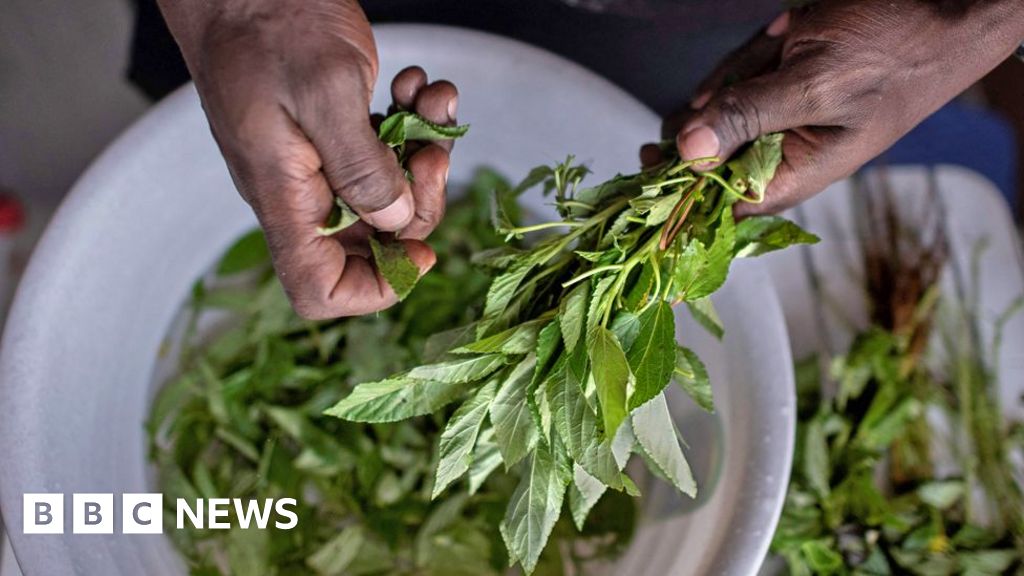
Why Kenya's forgotten indigenous vegetables are proving a culinary hit
Local indigenous greens grow in popularity despite a ban on farmers swapping or selling seeds.
TreeEater Nursery
Our Edible Plant Nursery offers Fruit Trees, Nut Trees and Berry Bushes
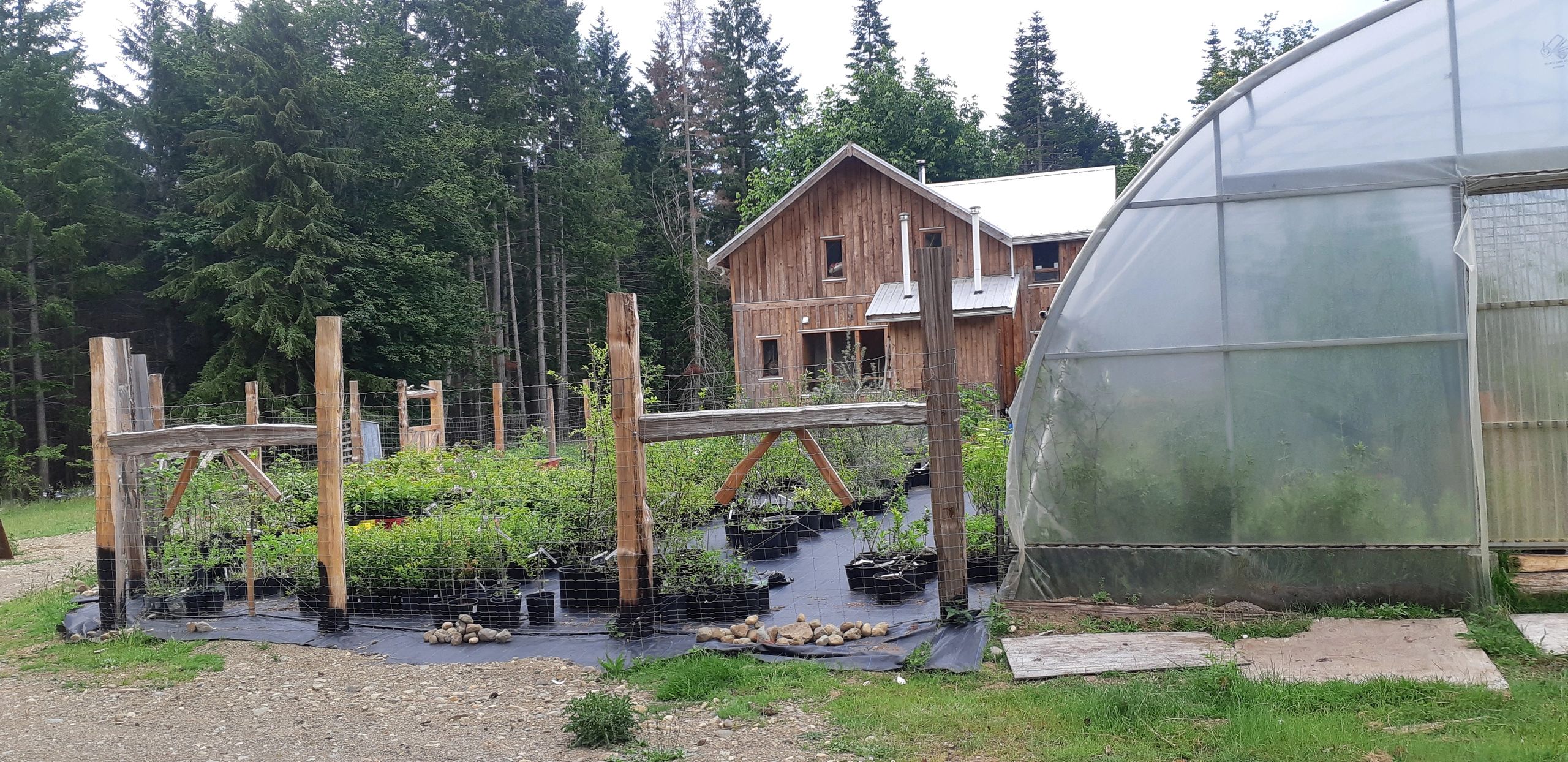
TreeEater Nursery
Our Edible Plant Nursery offers Fruit Trees, Nut Trees and Berry Bushes
Tips for foragers looking for edibles in B.C. forests right now | CBC News
Chef, author and mycologist Bill Jones shares his knowledge on what to pick and how to stay safe while doing it.

Plant Native | NWF Native Plant Habitats
Learn why native plants are important for wildlife. Discover habitat essentials, sustainable practices, and ways to create a Certified Wildlife Habitat®.

10 Edible Plants That Grow in the Shade
If experimental and adventurous sounds like a good time, the following list of shade-tolerant produce might be just what you are looking for.

Diet for a hotter climate: five plants that could help feed the world
As the planet warms, these five drought-tolerant and highly nutritious crops offer hope for greater resiliency

EartHand Fibreshed
We model how to “Be a Producer without first being a Consumer.”To be outdoors working with others, hands in the soil; and being aware of, and depending on, interconnected relationships with the land, other people, and plants. By working with the plants around us using ancestral skills that link all cultures, we inspire participants to discover cultural connections, learn new skills, and see raw materials for creative practices in the world around them, including up-purposed seasonal greenwaste, invasive plants, and textile waste.