Bottlerocket is a Linux-based operating system optimized for hosting containers. It’s free and open-source software, developed in the open on GitHub. Bottlerocket is installed as the base operating system on the machine or instance where your containers themselves are running. It is specifically designed to work with your container orchestrator (like Kubernetes) to automate the lifecycle of the containers running in your cluster. Bottlerocket runs in the cloud or in your datacenter.
container/docs/technical-overview.md at main · apple/container
A tool for creating and running Linux containers using lightweight virtual machines on a Mac. It is written in Swift, and optimized for Apple silicon. - apple/container
Apptainer - Portable, Reproducible Containers
Apptainer is an open source container platform designed to run complex applications on high-performance computing (HPC) clusters in a simple, portable, and reproducible way.
linuxkit/linuxkit
A toolkit for building secure, portable and lean operating systems for containers
Docker: Accelerated Container Application Development
Docker is a platform designed to help developers build, share, and run container applications. We handle the tedious setup, so you can focus on the code.
The Industry-Leading Container Runtime | Docker
Read about our industry-leading Docker container runtimes. Docker Engine allows containerized apps to run consistently on any infrastructure — from anywhere.

OrbStack · Fast, light, simple Docker & Linux
Say goodbye to slow, clunky containers and VMs. The fast, light, and easy way to run containers and Linux. Develop at lightspeed with our Docker Desktop alternative.

apple/container
A tool for creating and running Linux containers using lightweight virtual machines on a Mac. It is written in Swift, and optimized for Apple silicon.
How eBPF is shaping the future of Linux and platform engineering
When Docker burst onto the scene in 2013, Linux containers seemed like an overnight success. But the evolution to containers—and microservices and Kubernetes—was actually decades in the making, based on kernel primitives in the Linux operating system. Docker used these primitives, namely cgroups and namespaces, as building blocks to create a lightweight, easy-to-use software packaging format. Linux containers had been used by Google and others for many years, but Docker made them easily accessible to mainstream developers.

WTF is a container? | TechCrunch
You can't go to a developer conference today and not hear about software containers: Docker, Kubernetes, Mesos and a bunch of other names with a nautical

Moving Beyond Containers - Introducing Boxer by Daniel Phillips @Wasm I/O 2025
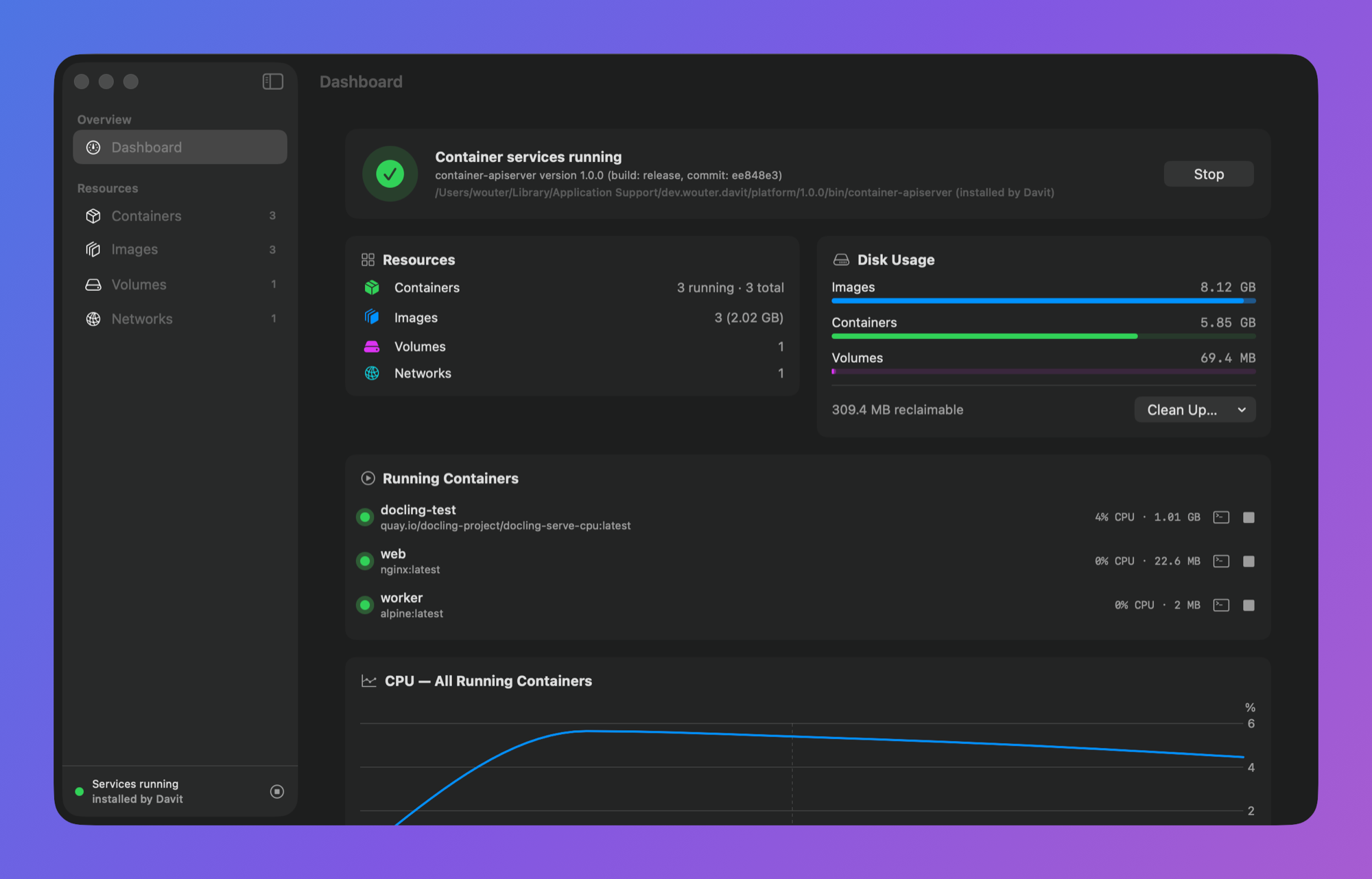
Davit - a native macOS UI for Apple containers
Free, open-source, fully native. Run Linux containers on Apple silicon with Apple's container platform; no Docker Desktop required.

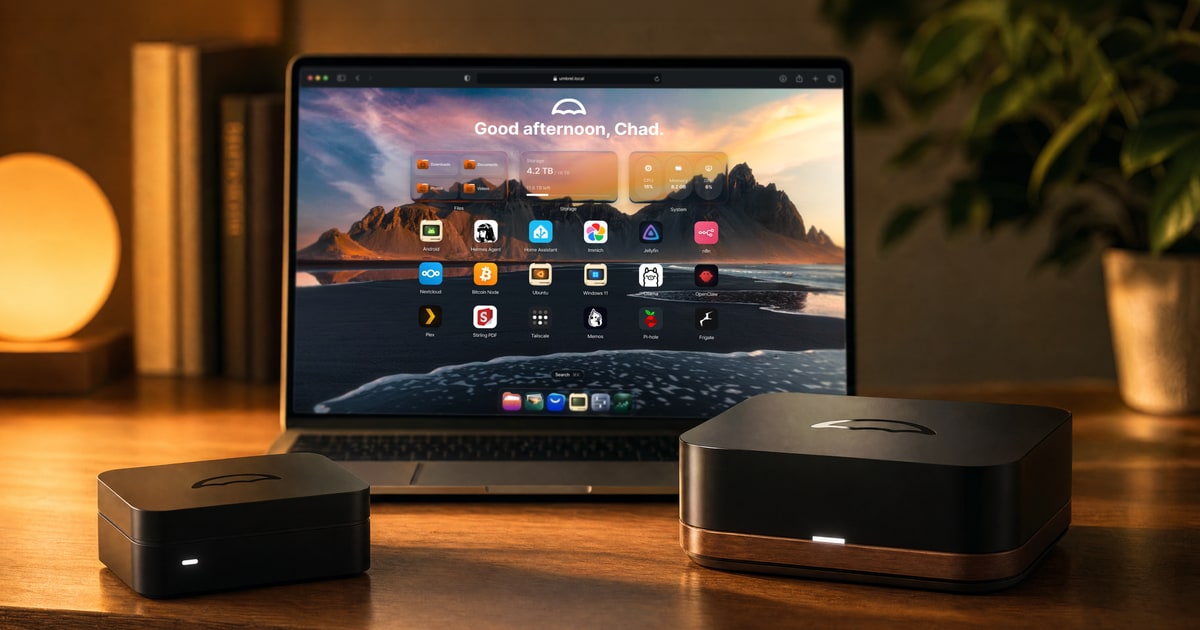
umbrelOS - An elegant OS for your home server
The ultimate OS for self-hosting and running a home cloud. Install in one click on a Raspberry Pi, NUC, or a VM to use apps like Nextcloud, Jellyfin, Bitcoin node, and more.
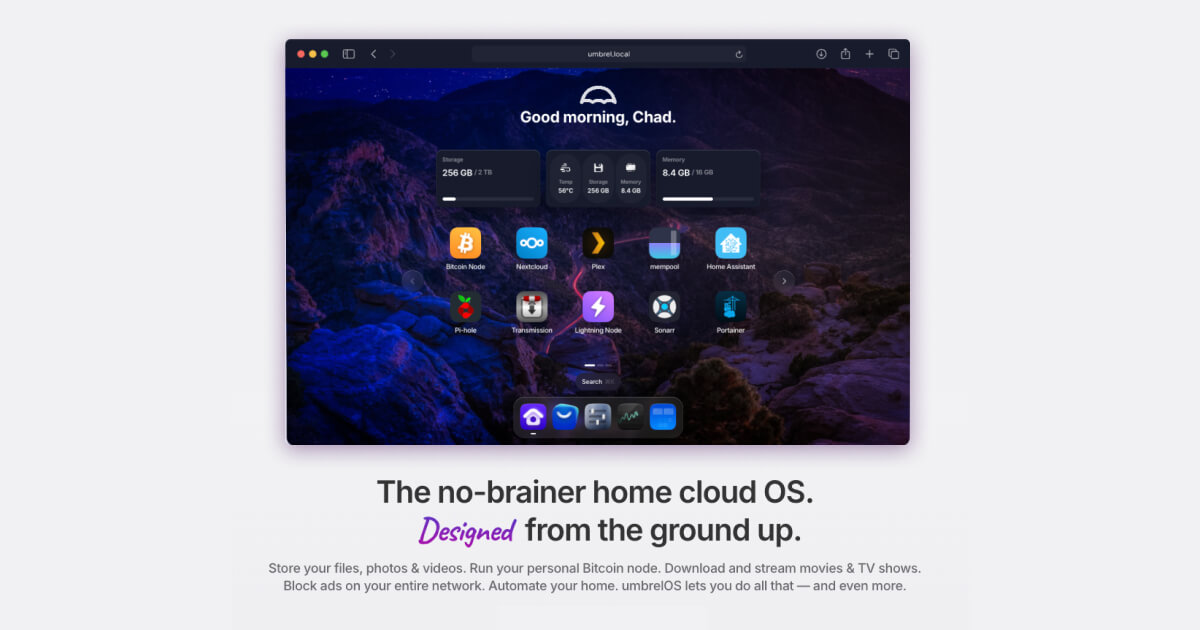
Umbrel - Personal home cloud and OS for self-hosting
Bring the cloud to your home with umbrelOS - a beautiful home server OS for self-hosting, and Umbrel Home and Umbrel Pro - plug-and-play home servers. Install Nextcloud, Jellyfin, Bitcoin node, and hundreds of self-hosted apps in one click.
A whirlwind tour of systemd-nspawn containers
An introduction to systemd-nspawn, a simple containerization technology that enables lightweight “virtual machines” without a hypervisor, diving into how they might be set up.
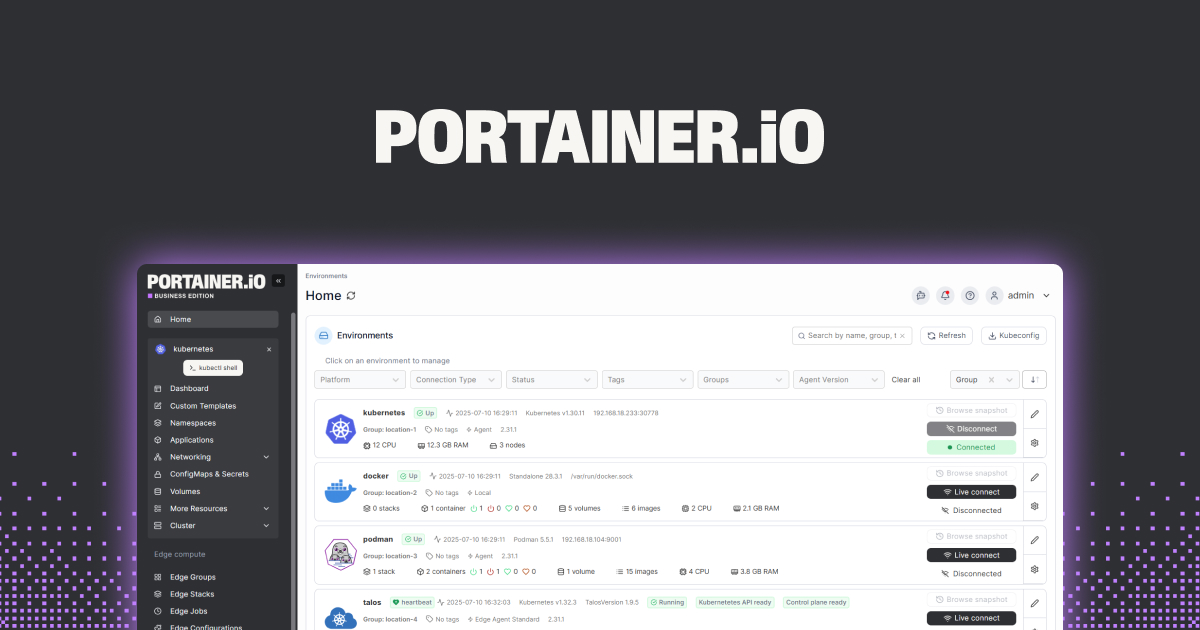
Portainer.io - Enterprise Kubernetes & Docker Container Management Platform
Operational control for Kubernetes and Docker without specialist overhead. Govern multi-cluster infrastructure or deploy OT software at scale.