

Thanks to war, geopolitics, and climate change, Europe will have more frequent and more severe internet disruptions in the very near future. Governments and businesses need to prepare for catastrophic loss of communications. Unfortunately, the necessary changes are risky and expensive, which means they won’t do it until a crisis is already here. However, small groups of volunteers with a little bit of time and money can provide crucial initial leadership to bootstrap recovery.
Building resilient social media
Next week I’ll be in Berlin, speaking at a Franco-German “Summit on European Digital Sovereignty” satellite event to help launch…

The Internet is a Series of Webs
The fate of the open web is inextricable from the other ways our world is in crisis. What can we do about it?

The Internet Transition
The Internet is allowing us to build a richer, more complex society but the way in which we Internet today is failing to support the governance systems that a more complex world requires. I take a look at why these issues are related, try to develop an intuition for a way forward, and point at the emerging field that is coming together to build that future.

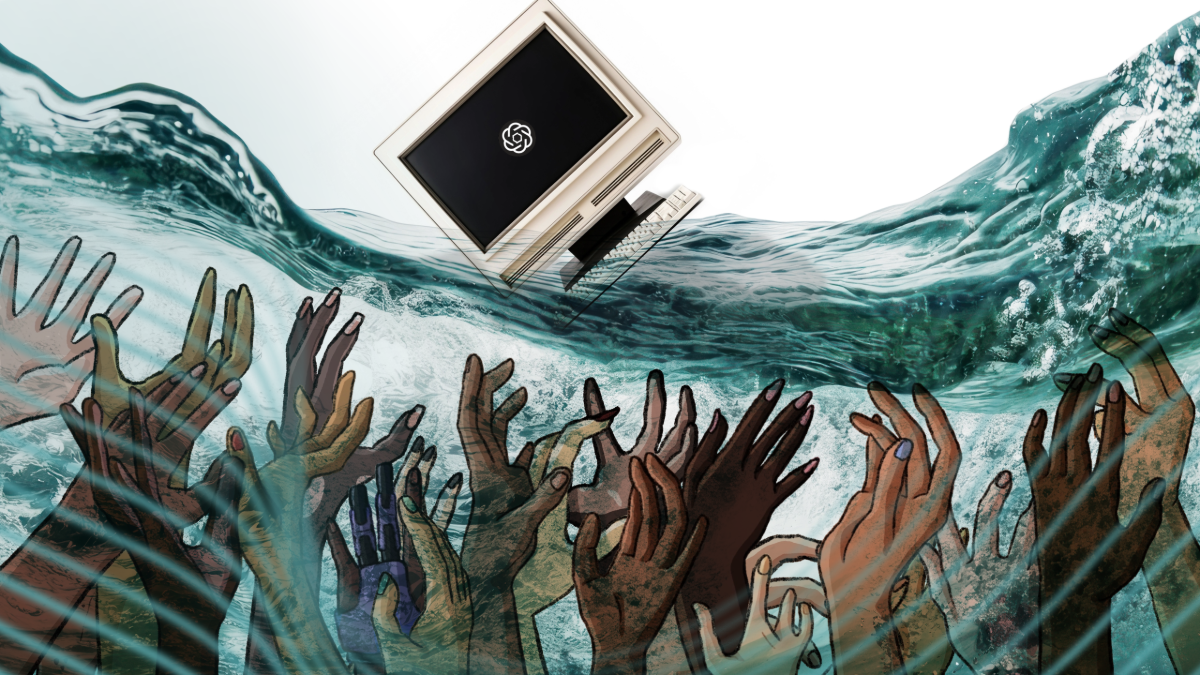
Millions of Volunteers Are Keeping the Internet Human. For Now.
We’re never going back to the human internet we had. But we can hope for a better internet than the AI-dominated one that is emerging, writes Sarah Gilbert.
The Cyber Resilience Act: A Five Alarm Fire
On October 21, 2016, CNN’s website was knocked offline. So was the BBC and Guardian’s. Amazon, Etsy and Shopify too, along with Quora, Reddit, and Twitter – among others. Huge swaths of the internet were taken down by a series of attacks on the DNS provider Dyn. These Distributed Denial of Service (DDoS) attacks were

Nicky Case: The Attractors Behind Disasters
How We Can Make the Internet Helpful Again
Amid an infodemic of misinformation and manipulation, it feels like the Internet uses us more than we use it. Taking back control is possible.


My journey to the heart of the forgotten internet
Slowly but surely, huge swaths of the internet are vanishing. But the artefacts of the early web are still out there, and they have lessons for the future.

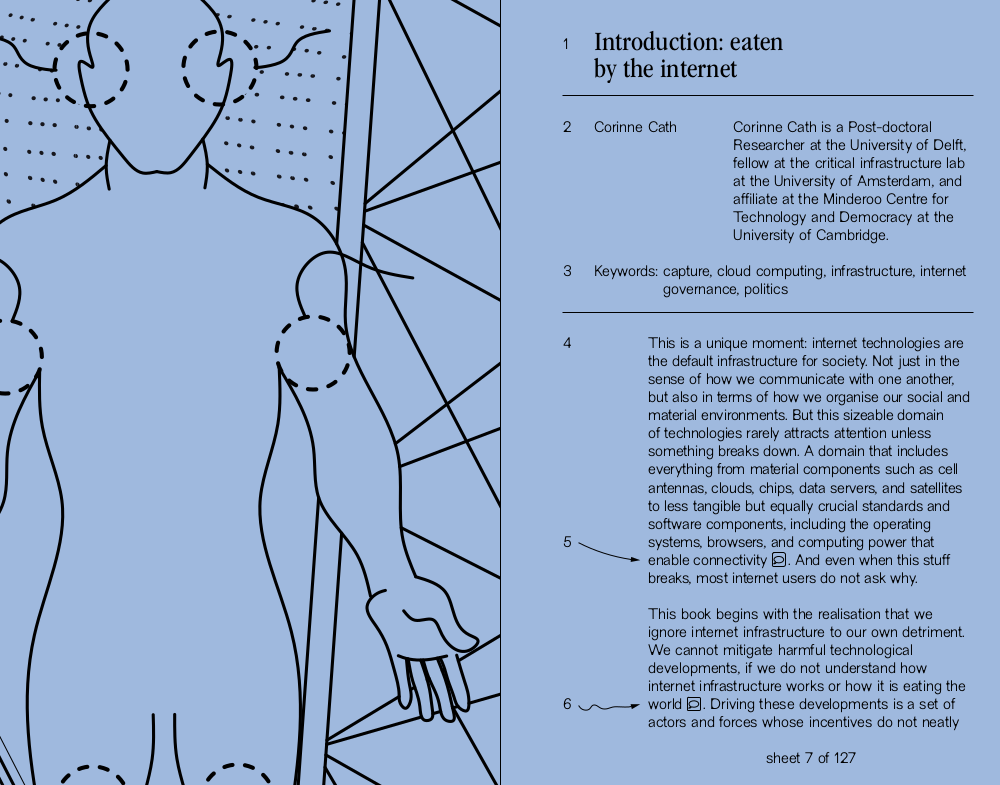
Eaten by the Internet
This book makes internet infrastructure visible as a force of political power, which is transforming the social world, from the bottom up—through fifteen chapters contributed by a global set of researchers, activists, and techies. We are living a unique moment: internet technologies are the default infrastructure for society, not just how we communicate but also how we organise our social life, politics, and economy, all the way down to our material environments, like cities. Our world is eaten by the internet. This means that those who control the internet control the bounds of public speech, economic production, social cohesion, and politics, making its infrastructure a core political terrain in the networked age. The book’s chapters cover a wide set of topics, spanning from the global politics of content moderation by internet infrastructure to the colonialism inherent in the race to plug the moon, from the harms wrought by blockchain companies in rural America to the particularities of online censorship across Asia. The chapters take on thorny topics, discussing power consolidation in the advertisement and cloud industry, the role of internet infrastructure in the war in Ukraine, and tech’s environmental impact—amongst others. In doing so, this book roots contemporary technology debates in the politics of internet infrastructure and urges us to ask how can we ensure our infrastructures sustain us, rather than consume us?
Why Anthropic’s new model has cybersecurity experts rattled
The company says it has built its most dangerous model yet. Can its coalition of internet companies fix the internet before others catch up?
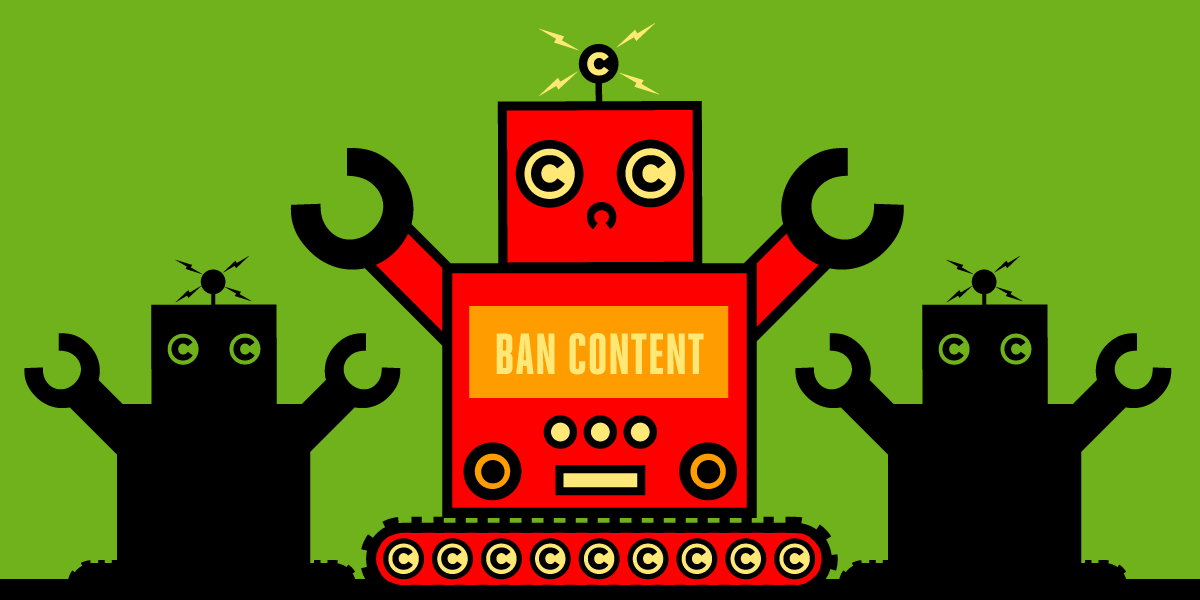
Today, Europe Lost The Internet. Now, We Fight Back.
Today, in a vote that split almost every major EU party, Members of the European Parliament adopted every terrible proposal in the new Copyright Directive and rejected every good one, setting the
Filling the potholes of the web.
People with the power to fix our inaccessible web have failed to do it for long enough. Isn’t it time to imagine ways we can repair the web without waiting for them?

Fix the internet, save democracy

The internet has evolved into a state that is actively hostile towards global democracy. A thesis is emerging that to save global democracy, you must fix the internet.
The IndieWeb Is Punk Manifesto

The Retweeting Class

Funding The Web: From Cartel to Covenant

Protocols, Not Platforms: A Technological Approach to Free Speech

The architecture of the internet creates risks for democracy