

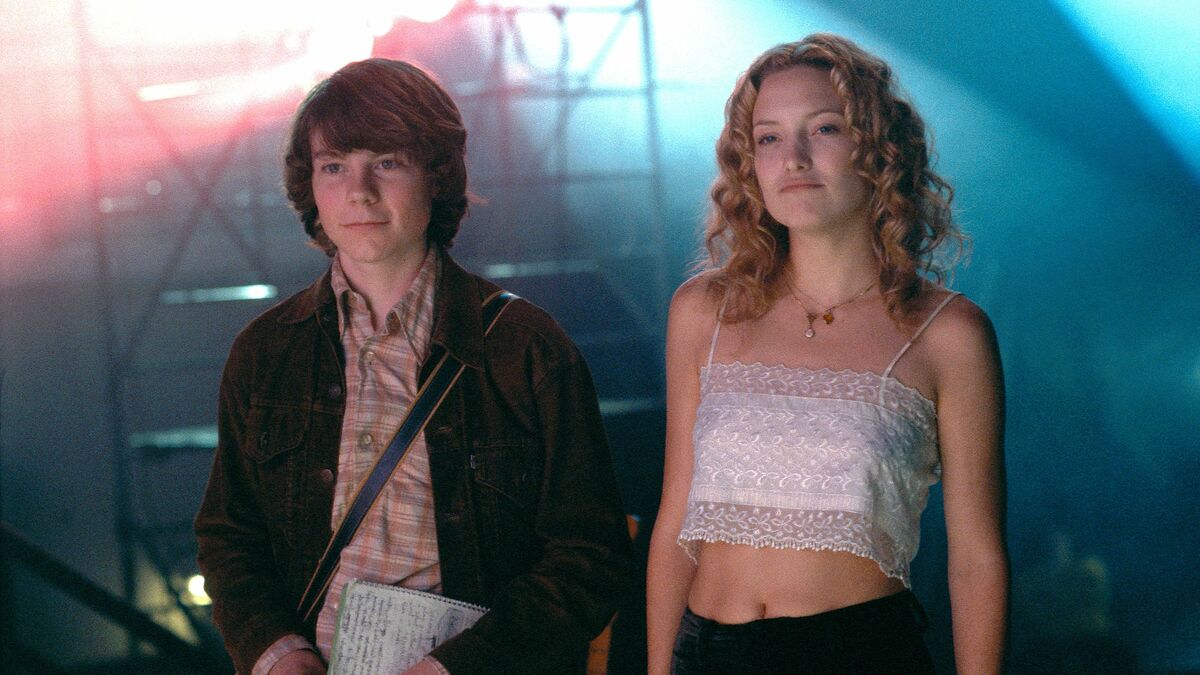
In 1973, 15-year-old William Miller's unabashed love of music and aspiration to become a rock journalist lands him an assignment from Rolling Stone magazine to interview and tour with the…
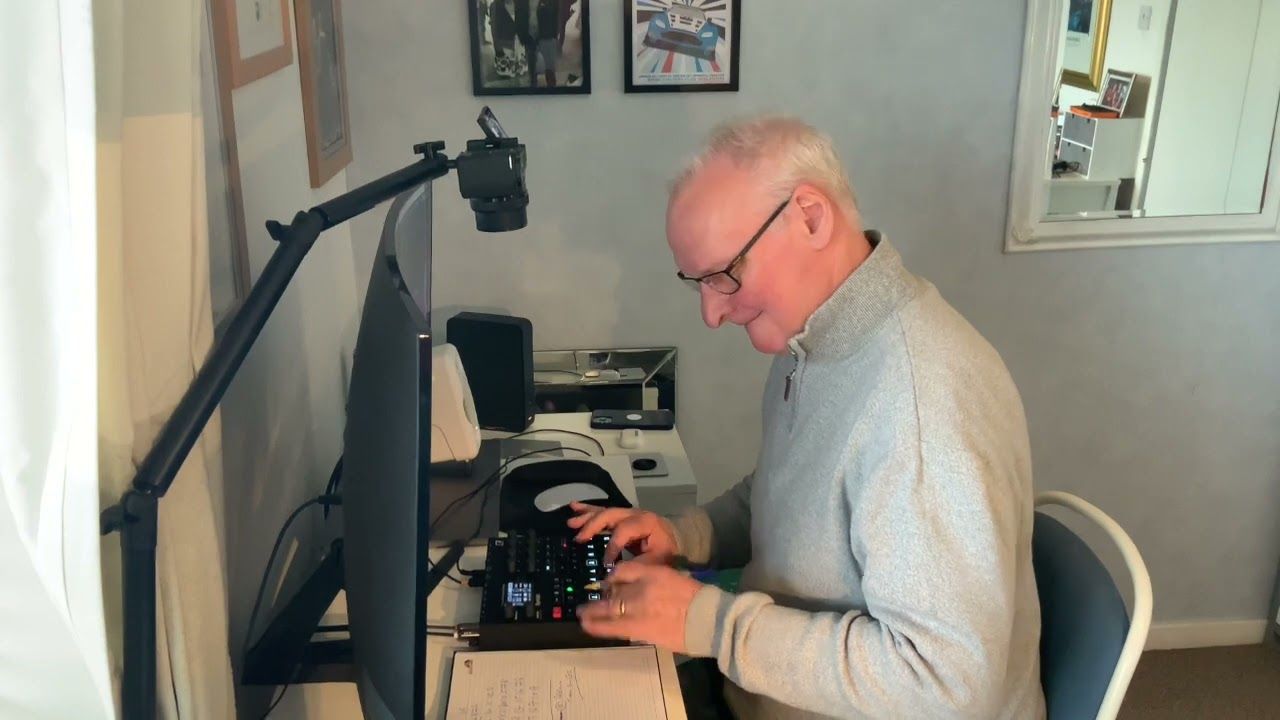
"Last night I got an email from someone who said 'I'm 46, is it okay to start producing music?' I said 'yes, start now!'": How a 67-year-old pensioner went viral performing industrial techno at home
What started as a post-retirement hobby has led The Last DJ to runaway success and his first gig in 40 years. Now he's on a mission to inspire others to do the same
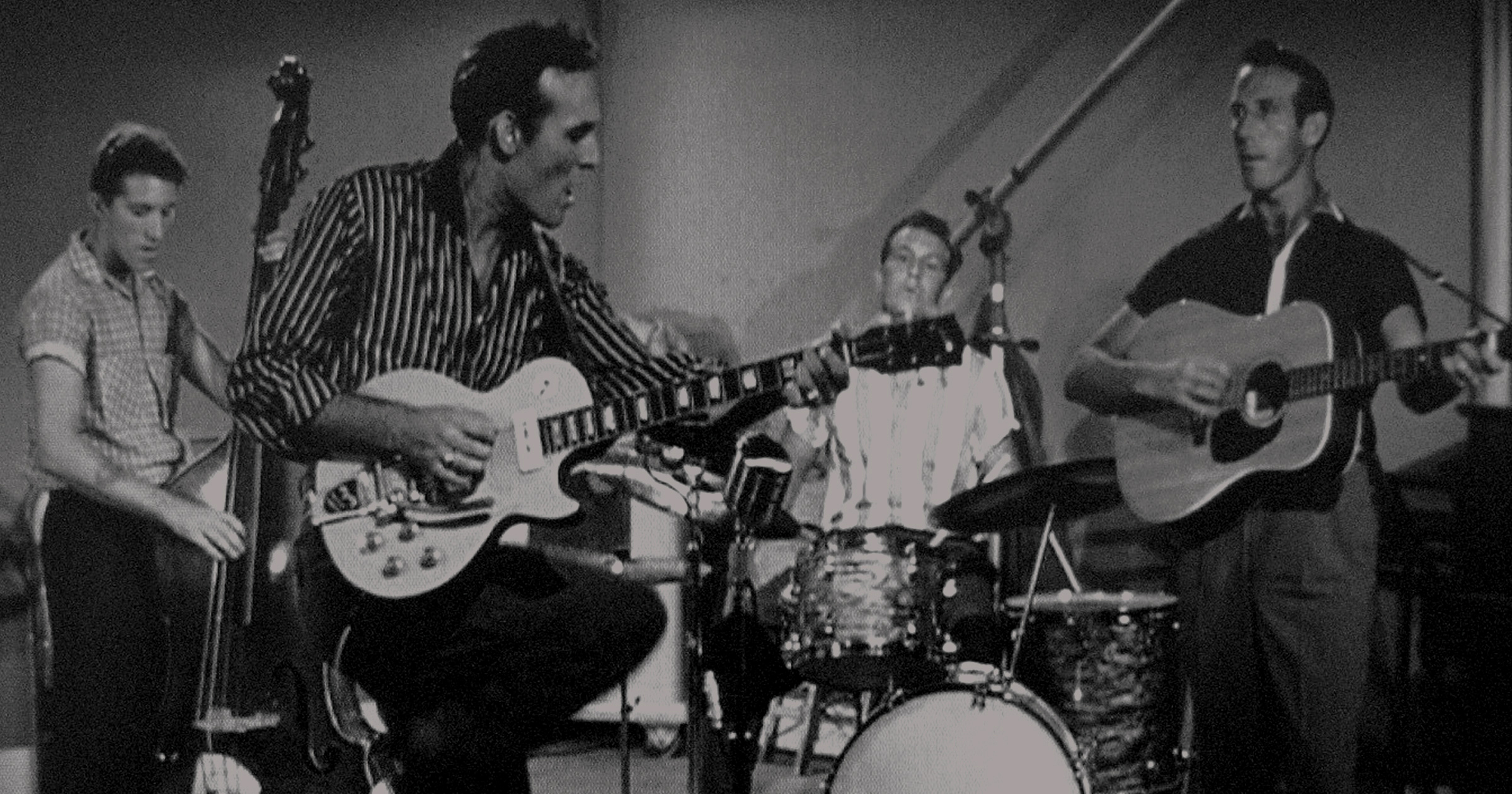
How Sun Records Saved a Lost Collection of Legendary Music - Musicbed Blog
Rock ’n roll was born at Sun Records. The list of earth-shattering artists who got their start there is hard to believe: Johnny Cash, Jerry Lee Lewis, Roy Orbison and so many others. As Collin Brace, VP of Sun Records, told us, “These guys defined not only a genre, but a generation.” In many ways, Sun Records and its artists paved the way for indie musicians and studios today. They were future minded. Open minded. They welcomed anyone with a guitar and a song. This is how they found legendary, mold-breaking artists like Johnny Cash. And it’s also how they ended up with over 8,000 master recordings from artists who never made it big, if it at all.
Robert Rauschenberg. White Painting. 1951 | MoMA
Audio from Robert Rauschenberg: Among Friends.

An Interview with Robert Frank - "If An Artist Doesn't Take Risks, Then It's Not Worth It." (2007)
An Exclusive Interview with Robert Frank, Robert Frank’s Studio, New York, July 22, 2007

Not a genuine black man : my life as an outsider : [a true story] : Copeland, Brian
xviii, 245 pages ; 23 cm

The Rise of Alt-Pop Stars
Welcome to a messier and more daring era of pop music.

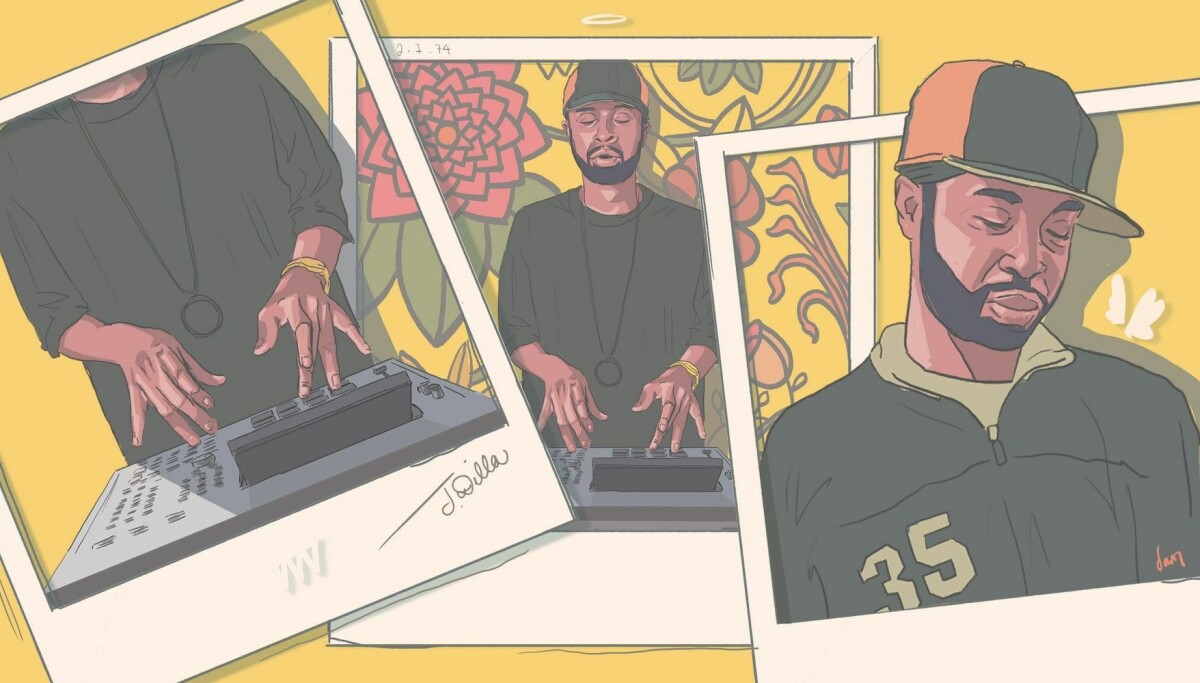
J Dilla's Influence And Legacy Lives On In The World Of Lo-Fi Hip-Hop
J Dilla's music has been adopted by the lo-fi hip-hop community; now fans of the subgenre consider him the godfather of lo-fi hip-hop.
Leonard Cohen Dead at 82
Leonard Cohen, the hugely influential singer and songwriter whose work spanned five decades, died at the age of 82.

Robert Kraft Is "In the Epstein Files." Here's What That Actually Says.
The chain of events On September 4, Macklemore opened for Ed Sheeran at MetLife Stadium and told the crowd: "The people all the way in Gaza to the occupied...
'Exclusive Interview With Murray Rothbard'
Originally published in The New Banner: A Fortnightly Libertarian Journal on 25 February 1972. Thanks to J. Michael Oliver for sending it to the Mises Institute. Thanks also to W. Robert Black III, of the New Banner Institute.
“I Made Myself Fit In”: Johny’s Story
The purpose of this narrative inquiry was to re-story the experiences of a first-year music teacher with regard to race and class. Johny was a first-year high school guitar teacher in the southwestern United States who identified as Hispanic and was raised in a family with a lower income. He was also a first-generation college student whose path to university study was atypical because of his major instrument, musical background, little high school music class participation, and entrance to postsecondary music study at a community college. Johny’s story is a work of critical storytelling and is interpreted through an intersectional framework. His story compels us to thoughtfully attend to curriculum, musical knowledge, equity, and how music educators can serve an increasingly diverse student population in schools of music. Issues for consideration include (a) increased support of nontraditional students, including those from marginalized populations, such as students with lower incomes, first-generation students, and community college transfer students, and (b) promoting meaningful and collaborative change across multiple areas in schools of music.

Sad YouTube: The Lost Treasures Of The Internet's Greatest Cesspool
<b>"I would like to send you a memory."</b> Buried deep within the internet's most notorious comment section lies a treasure trove of personal stories that prove the power of pop music better than any video ever could.

John Dewey
John Dewey was an American philosopher, psychologist, and educational reformer. He was one of the most prominent American scholars in the first half of the twentieth century.

John Handy - Recorded Live At The Monterey Jazz Festival (Full Album)
Interview with James Murphy
Had the incredible honor of interviewing another hero of mine. Below, some questions with legend and fellow synth enthusiast James Murphy. Synth History: What are a few of your all-time favorite synths? James: I go through phases in some ways, but there are a few that have been long standing essentials for me. First has to be the EMS Synthi A. LCD Soundsystem - Someone GreatI got one of these back in '98 on the recommendation of either Tim Goldsworthy or Jagz Kooner to use on a David Holmes re
