A place to grow stories together, one bloom at a time. Read a path. Pick up where the last writer left off. Watch stories branch.
MATT THOMPSON
As part of my EngD project, I am creating ways for story authors to easily write narratives with multiple branches, along the lines of the Choose Your Own Adventure stories from the 1990s. Typically, this kind of story authoring is hard, as the number of material that needs to be written increases exponentially with the number of decision points.
Branch Magazine Issue 8: Finding beauty in the imperfect
Branch is an online magazine written by and for people who dream of a sustainable and just internet. Issue 8 out now: Finding beauty in the imperfect.

The Anatomy of Story
”The Anatomy Of Story is concrete and practical without resorting to simplistic ‘Three Act Structure’ screenwriting clichés. It will be an indispensable guide to writing your first great script.” —Larry Wilson, co-writer /co-producer of Beetljuice and co-writer of The Addams Family THE ANATOMY OF STORY 22 STEPS TO BECOMING A MASTER STORYTELLER Faber & Faber launches John Truby’s The Anatomy of Story: 22 Steps to Becoming a Master Storyteller—a new Bible not just for screenwriters, but for any writer crafting the perfect story. Taking as his examples Jaws, Adventures of Huckleberry Finn, Tootsie, The Great Gatsby, The Godfather, Chinatown, and A Christmas Carol, among many others, Truby illustrates in The Anatomy of Story (Faber & Faber/Farrar, Straus and Giroux) what makes a great story and how to create that story, focusing on plot and premise, theme, characters, moral development, and crafting the kind of ending that brings readers and audiences back again and again. Additionally, Truby offers seven key story structure steps, which are the major stages of a story’s development and of the dramatic code under its surface. The Anatomy of Story is a step-by-step guide to constructing the best story possible—be it a screenplay, short story, or novel. Truby, who has taught his twenty-two-step Great Screenwriting and Genre classes to more than 20,000 students worldwide, is available to discuss: Top 10 mistakes writers make about story. Five best and worst questions about screenwriting. How the 22-step-approach is different from the 3-act structure. Five unique story elements of blockbuster films. Five best techniques of character and plot. John Truby is Hollywood’s premier story consultant and founder of Truby’s Writers Studio. He has worked as a story consultant and script doctor for Disney Studios, Sony Pictures, FOX, and HBO, among others. Booklist “ Hollywood story consultant Truby commits his vast knowledge of screenwriting and storytelling to the page in this handy guide for aspiring writers of all types. Truby delves into the setup, from basic structure to the premise and the depth behind it. From there, he moves into character, emphasizing the importance of not only the hero but also the characters in the story who aid and oppose him. Truby illustrates the importance of setting to the story and how careful plotting is needed to weave the elements of the story together. He cautions that plot is not incidental and requires careful management and timely revelations. Although most of his examples are from movies, such as Tootsie, The Godfather, and Star Wars, Truby also draws from novels and plays, and his advice is applicable not only to the hopeful screenwriter but to the aspiring novelist as well. A comprehensive guide to writing stories of all kinds, Truby’s tome is invaluable to any writer looking to put an idea to paper.” —Kristine Huntley Tweet
Page 4: POW+TREE Writing Strategy
As Ms. Lin reflects on the trouble her students are having with writing, she realizes that many of her students need help incorporating the four elements of the writing process (i.e., planning, organizing, writing, and editing and revising) into their essays. She concludes that they need a guide or strategy to follow as they write.[.....]
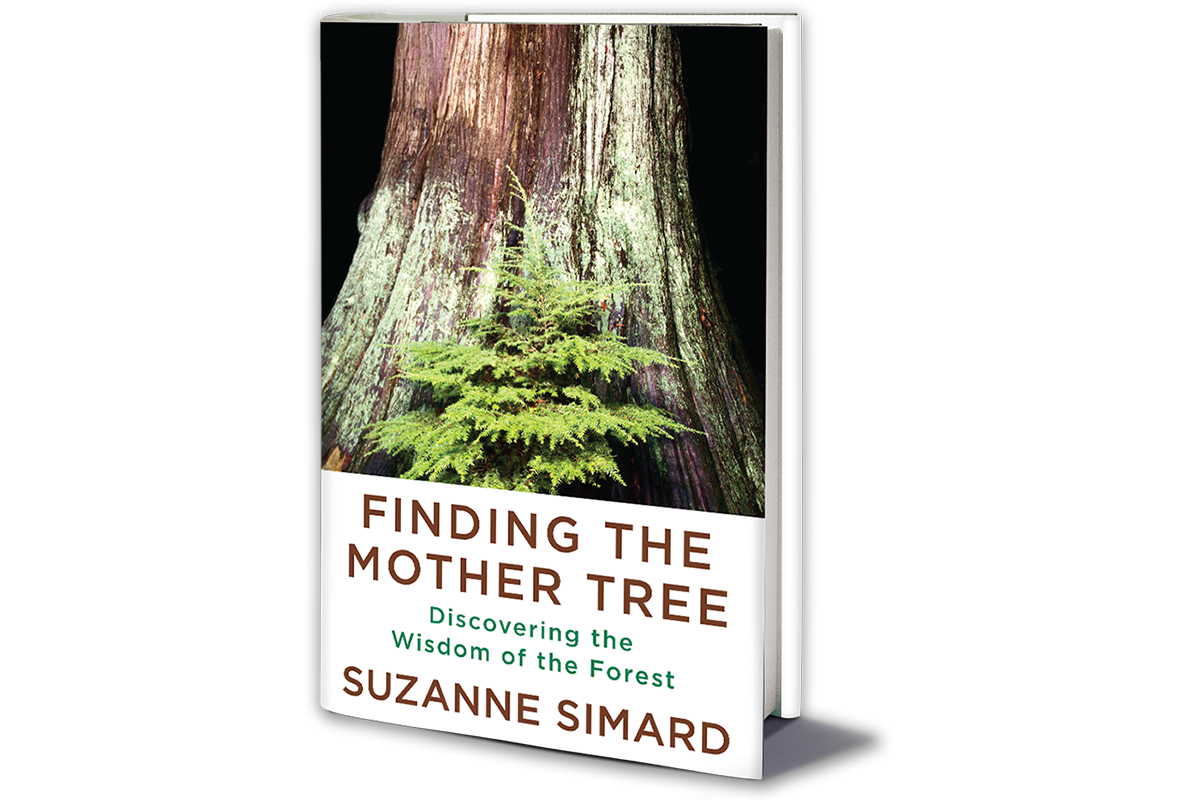
Finding the Mother Tree by Suzanne Simard
The upcoming book from Suzanne Simard, the world’s leading forest ecologist who forever changed how people view trees and their connections to one another.
tree.fm – Tune Into Forests From Around The World 🌳🔈
People around the world recorded the sounds of their forests, so you can escape into nature, while in lockdown or unable to travel. Use this site to chill, meditate or do some digital shinrin-yoku.

Weaving Narratives into Procedural Worlds
Examining the value, characteristics, and methods of integrating static narratives into otherwise procedurally generated environments.
lore.farm — Collectivized Canon for Fictional Worlds
Create fictional worlds and build a shared canon with your community from across the ATmosphere. Includes support for Bluesky, Branchline, and more!
Logial Thinking Process (LTP) / Issue Tree App and Exploration - Issue Trees & Logical Thinking Process
Collaboration of Rufus Pollock with David Joseph to build tooling for structured thinking — specifically a Logical Thinking Process (LTP) / Issue Tree app. Both David and Rufus share a long-standing desire to improve public discourse and improve collaboration: aligning efforts to goals, making claims or hypotheses and their logical structure clearer (claim-trees), allowing debate to accumulate, mapping evidence clearly to specific sub-claims.

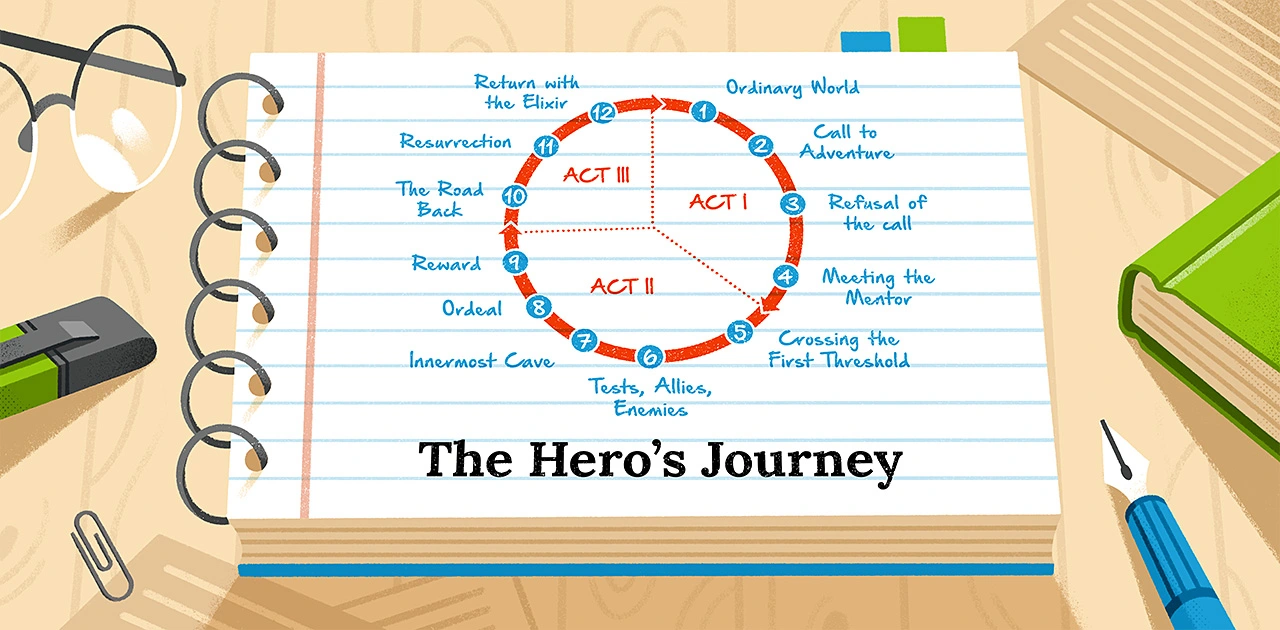
Hero's Journey: Get a Strong Story Structure in 12 Steps
Learn about the Hero's Journey, the most popular story structure in history, in this master guide. Includes a definitive definition and examples.
Bibliome - Building the very best reading lists, together
Create collaborative bookshelves, discover new books, and build reading communities with friends. Join the decentralized reading revolution powered by Bluesky.

Pearltrees
Pearltrees is a place to organize everything you’re interested in. It lets you organize, explore and share everything you like.

Crown shyness: are trees social distancing too? | Natural History Museum
If you look up in some forests, you might notice conspicuous gaps between the trees' branches. © Pongpawan Sethanant/ Shutterstock
The Delightful Storybook Workflow
How productive teams get the most out of Storybook

Beneath The Fig Tree | @maisonrickie | Substack
Navigating life through a cultural and historical lens. Making sure my figs don't rot in pursuit of a life well lived. Click to read Beneath The Fig Tree | @maisonrickie, a Substack publication with thousands of subscribers.