The most recent turmoil in the stock market caused by Donald Trump’s ill-considered policy to impose tariffs on the entire world, has brought up one legitimate question: what is the correct attitude towards stock market declines and crashes?


The A.I. Boom and the Spectre of 1929
As some financial leaders fret publicly about the stock market falling to earth, Andrew Ross Sorkin’s new book recounts the greatest crash of them all.

Le fétichisme de la Bourse
Traduction de "The stock market fetish" de Branko Milanovic

The Value of Nothing: Capital versus Growth - American Affairs Journal
Throughout 2021, U.S. stock market valuations have hovered near all‑time highs. In June, the unadjusted price-to-earnings (P/E) ratio of the S&P 500 index eclipsed the tech boom record of 2000. Many other asset classes have attained, or nearly attained, record valuations as well. Stratospheric valuations may be partially attributable to the unique circumstances surrounding Covid-19...

Attention Is All You Need #2: This Time Is Different
What can we learn from the 2007 Global Financial Crisis and the 1990’s dot-com bubble?

Issue 104 – World Tyranny Financial
As the Trump family’s crypto dealings raise more alarms, crypto enforcement is falling to new lows
Trump’s tariffs: Disregarding lessons from history and scenarios and probable outcomes
History is full of evidence that tariffs harm economic performance. This column assesses the two waves of globalisation in modern history and how they were interrupted by barriers to trade. The first wave started in the mid-19th century and lasted until WWI, while the second wave started after WWII and lasted until the Global Crisis of 2008-09. The most likely scenario going forward will feature tariffs around 12-14% on average, a mild recession, and a small hit to US longer-run potential. However, achieving diplomatic normalcy may take years of good US behaviour, and it is unlikely during the Trump administration.

Japan’s Nikkei Hits New Record High
The Nikkei 225 Index rose 0.8% to trade above 63,700 on Thursday, setting fresh all-time highs as strong corporate earnings and upbeat guidance reinforced investor confidence, while sustained demand for artificial intelligence-related stocks continued to drive gains. Japanese equities also mirrored a tech-led rally on Wall Street overnight, even as accelerating US inflation fueled concerns that the Federal Reserve could still opt for another rate hike. At the same time, markets remained focused on the meeting between US President Donald Trump and Chinese President Xi Jinping, with discussions expected to prioritize trade relations. Among individual movers, gains were led by Kioxia Holdings (1.7%), Furukawa Electric (1.5%), Advantest (2.8%), Fanuc (10.4%) and Resonac Holdings (15.6%). In contrast, mining firm Mitsui Kinzoku fell 11.8% after issuing a weaker profit forecast for FY2027 despite projecting higher sales.
The "Big Short" Guy Who Called (And Cashed In On) The 2008 Housing Bubble Just Bet Against the AI Bubble While Betting on Financial Armageddon In The US
Michael Burry looked at the most hyped trade in human history and said “nah.” You should probably pay attention.

The Quiet Rewiring of American Finance
Stablecoins, Treasury markets, and the most significant shift in financial infrastructure that almost nobody is discussing.

The Joy of Becoming Worthless…except to each other — Douglas Rushkoff
My last piece, The Intentional Collapse, seems to have agitated a few people. I know it came off a bit dark. I talked about how the Uber wealthy believe the world as we know it is ending and that there won’t be enough essential resources to go around, so they need to take control of as much money and stuff and land as possible in order to position themselves for the end of days.
Why the man behind 'The Hater's Guide to the AI Bubble' thinks Wall Street's hottest trade will go bust
Billionaires, Corporate Landlords, and AI Companies Are Seen As Among the Worst Actors in U.S. Society
Voters view billionaires, corporate landlords, payday loans, sports gambling, cryptocurrency, and AI companies as negatively impacting the U.S. economy and society.

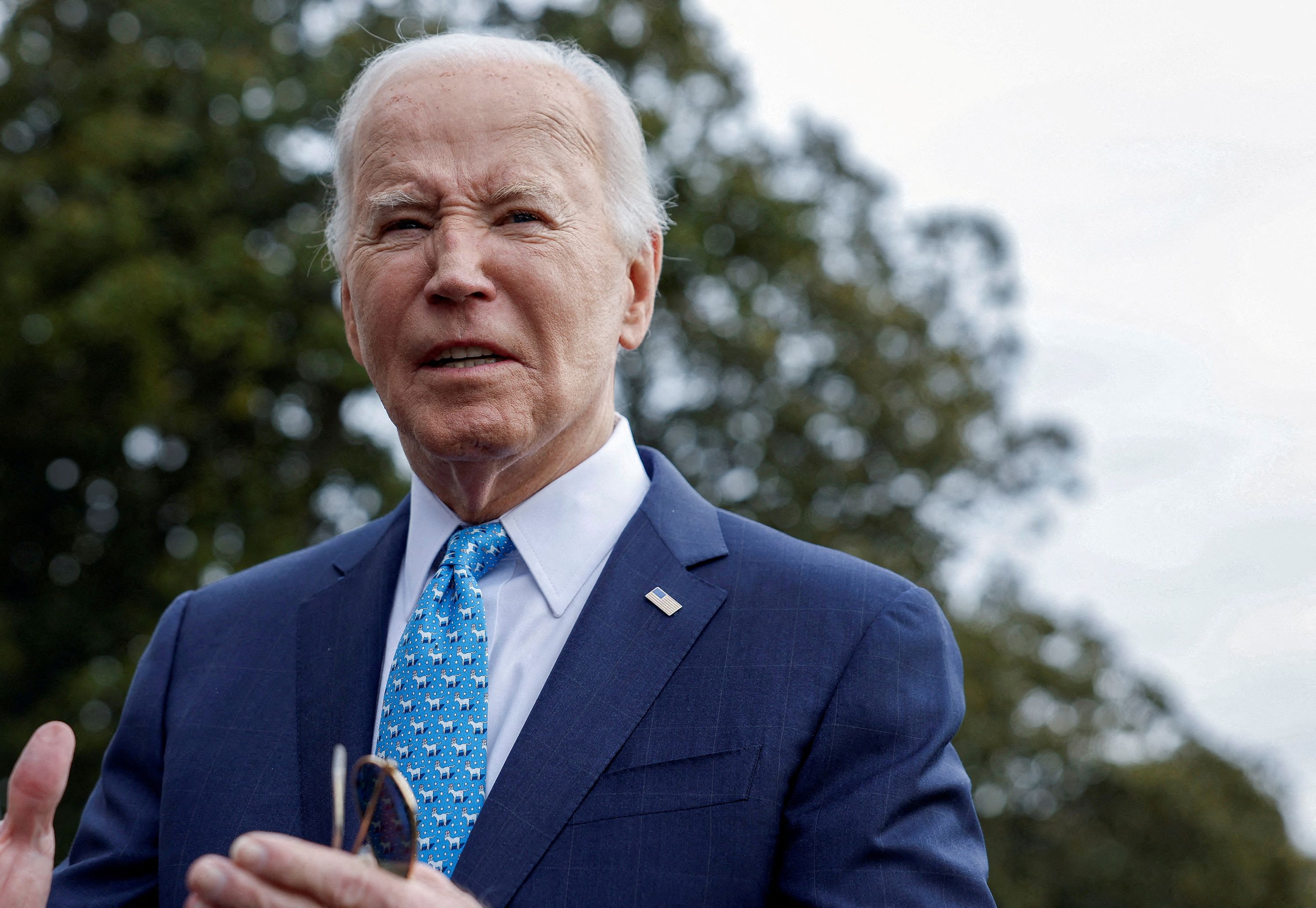
The US economy is doing well. President Biden wants to know why so many Americans are still feeling bad | CNN Politics
By many metrics, the US economy is humming along. The jobs market is robust; consumers are spending again; and inflation has eased to a three-year low.