

ZKPs are often advanced as a technical remedy, promising privacy-preserving attestations of age or eligibility. Yet their deployment in practice exposes both conceptual and practical limits.
Exploring Privacy-Preserving Age Verification: A Close Look at Zero-Knowledge Proofs
A path toward protecting young people online that doesn’t sacrifice their privacy or data security, amid persistent concerns about screen time.

ANNEX B - Zero Knowledge Proofs for the Age Verification Solution - European Age Verification Solution
Zero-knowledge proofs (ZKPs) are cryptographic techniques that enable one party (the User) to prove to another party (the Relying Party) that a statement is true without disclosing any additional information beyond the statement’s validity. This allows the User to demonstrate knowledge without revealing the knowledge itself.
Age verification needs better privacy protections, report says
New America’s Open Technology Institute called for the use of zero-knowledge proofs, which verify a user’s age without disclosing any personal information.

The Age-Verification Trap
Platforms are caught in a dilemma: enforce age restrictions or protect user privacy. How are they navigating this tricky terrain?

Age verification: Child protection or privacy risk?
With more platforms and governments asking for age verification, we look at the options and the implications.

Age Verification Architecture
This document describes solution-agnostic and technology-neutral schema for how various intermediaries can gate content and services based on age. The analysis of the architecture is done along two dimensions: the efficacy of permitting or restricting access based on age, and the privacy cost of doing so. The document concludes with recommendations as well as critical privacy, security and human rights considerations.
The Dangers of Age Verification Provisions
One proposed solution to ensuring safe youth online experiences is age verification provisions, which require platforms to confirm the ages

The Age Verification Privacy Paradox: Why Document Uploads Hurt Everyone—and How World Solves It
Age verification is now required by many digital platforms worldwide, but most systems create new risks for user data and privacy. This article explores why document-based age verification exposes everyone to greater risk—and how privacy-first technology like World ID offers a safer path for consumers and platforms.

Online age verification systems fail to protect children | Proton
Do online age verification systems improve child safety? See how age restrictions and age checks fall short, and what that means for privacy and protection.

Hack of Age Verification Company Shows Privacy Danger of Social Media
We’ve said it before: online age verification is incompatible with privacy. Companies responsible for storing or processing sensitive documents like drivers’ licenses are likely to encounter data

Who’s Harmed by Age Verification Mandates?
Age-verification laws may sound straightforward to some: protect young people online by making everyone prove their age. But in reality, these mandates force users into one of two flawed
Online Age Verification: Government Legislation, Supplier Responsibilization, and Public Perceptions
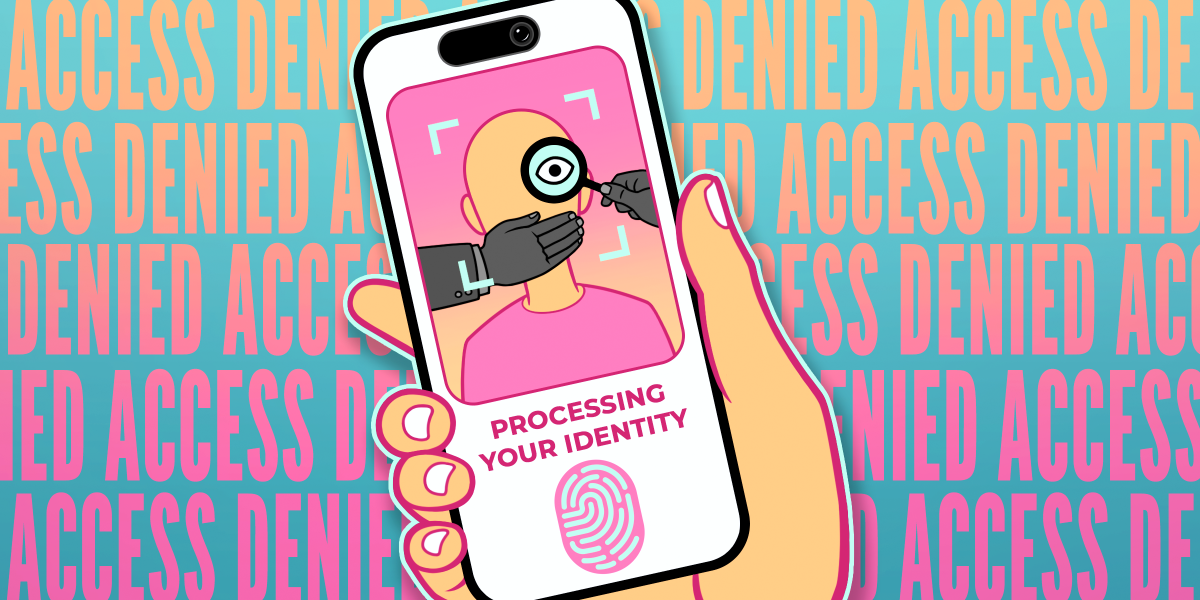
There are widespread concerns about the online harms to children operating online. As such, governments have enacted laws to require online service providers to deploy age verification to prevent such harms. We investigate the following three research questions regarding this topic: (1) To what extent have different governments legislated age verification controls? (2) Do governments embrace a responsibilization strategy when it comes to online age verification? and (3) How does the UK public feel about online age verification legislation? We find that governments are applying a responsibilization strategy, which has led to widespread deployment of privacy-invasive or ineffective age verification. The former violates the privacy of underage users, with the latter undermining the overarching aims of the legislation. We have also found general disengagement and a lack of trust in the government amongst the public with regards to new online age verification laws within the UK. To conclude, despite governments globally looking to put more robust online age verification mechanisms in place, there remains a general lack of privacy preservation and affordable technological solutions. Moreover, the overarching aims of the online safety and age verification legislative changes may not be satisfied due to the general public stakeholder group's disengagement and lack of trust in their government.

Age verification is coming for the internet — and it’s already raising red flags
Legislative efforts to age-gate parts of the internet are gaining traction. Some experts warn of compliance complications and data security breaches.

Zero Knowledge Proofs Alone Are Not a Digital ID Solution to
In the past few years, governments across the world have rolled out digital identification options, and now there are efforts encouraging online companies to implement identity and age verification
Age Verification Mandates Would Undermine Anonymity Online
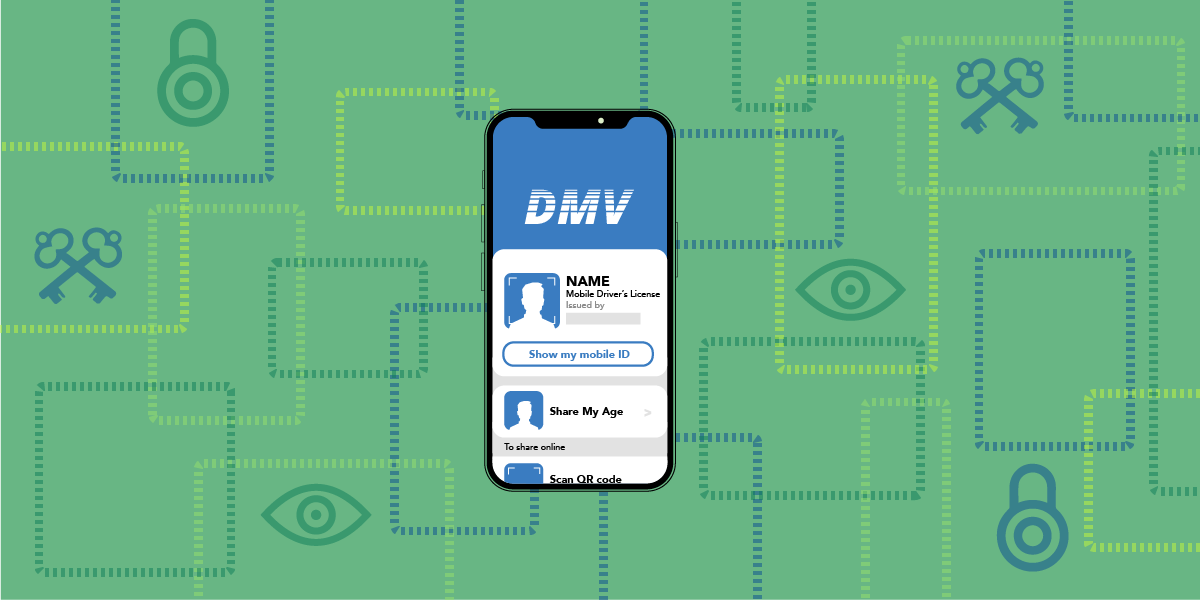
Age verification systems are surveillance systems. Mandatory age verification, and with it, mandatory identity verification, is the wrong approach to protecting young people online. It would force
European Age Verification Solution
The European Commission is developing a harmonized, EU-wide approach to age verification, accompanied by a comprehensive age verification blueprint that is intended to facilitate practical adoption across all Member States and can be customised to the national context. Built upon the robust European Digital Identity Wallet framework, this user-friendly and privacy-preserving age verification solution enables individuals to demonstrate their eligibility for age-restricted online services, such as those restricted to adults, without disclosing more personal information than absolutely necessary. By design, the solution addresses and supports compliance with Article 28 of the Digital Services Act, helping online service providers meet legal requirements for age checks while safeguarding user privacy.