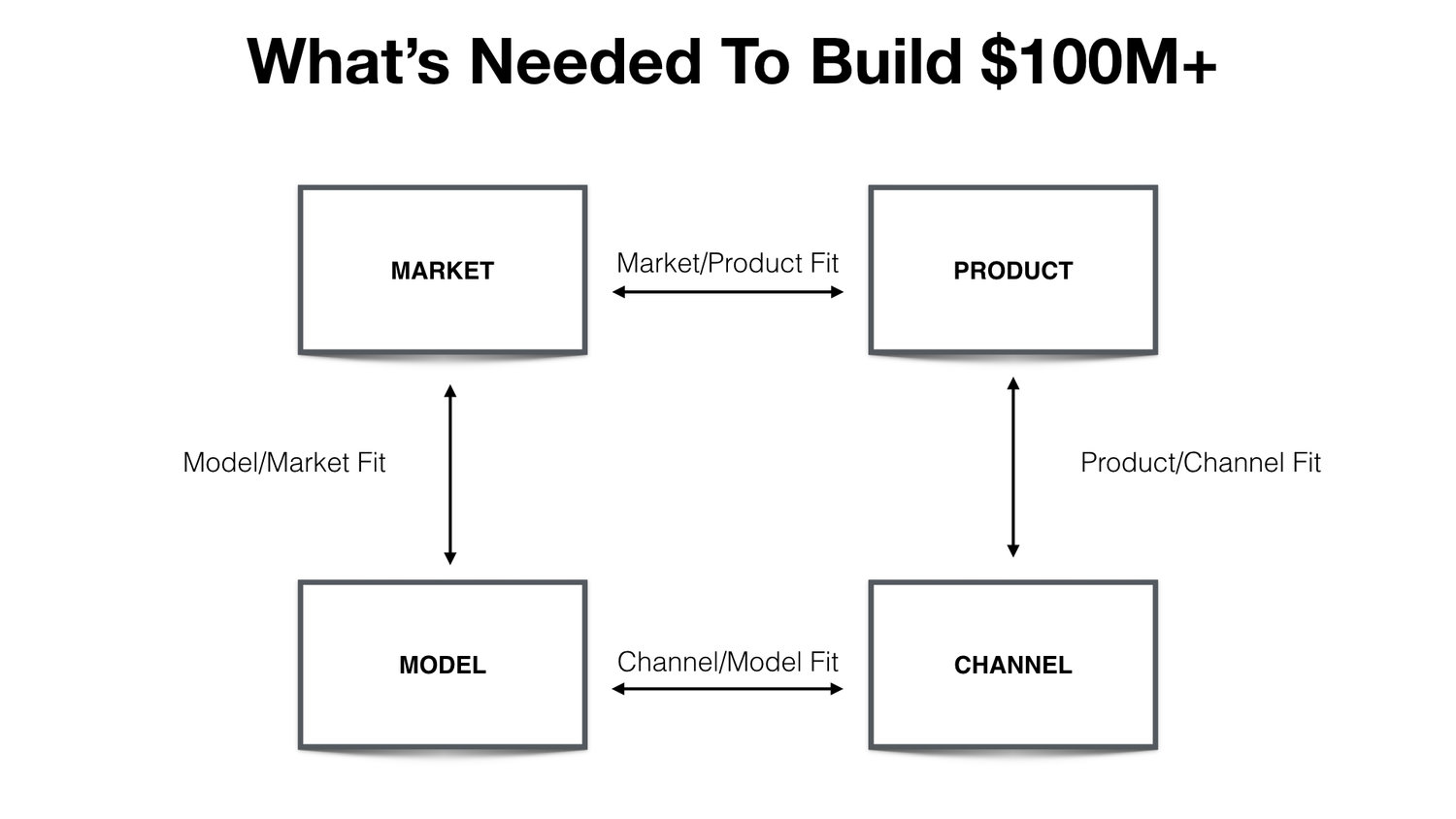
I’ve been lucky to have been part of building, advising, or investing in 40+ tech companies in the past 10 years. Some $100M+ wins. Some, complete losses. Most end up in the middle. One of my main observations is that there are certain companies where growth seems to come easily, like gui
Why Do the Biggest Companies Keep Getting Bigger? It’s How They Spend on Tech
The secret of success for Amazon, Google and Microsoft is how much they invest in their own technology.

Why Founders Market Their Products Too Late
Founders predictably underestimate the importance of hiring marketers. Here’s why many startups don’t get round to marketing their product…

Why it's nice to compete against a large, profitable company
Competing against big firms? Their revenue streams are their Achilles heel. Learn how smaller startups have a shot.
The Market Curve
The market you choose to serve is one of the most important factors for an early-stage startup. And for most technologists, it’s a blind …

Not all good products make good businesses - The Intercom Blog
It's easy to assume that solving a real problem with a good product magically creates a successful software business. Sadly that’s never guaranteed.

There Are Actually Just Three Ways To Grow
Most brands obsess over distribution when the real growth comes from moves marketers can’t make alone

Is Big Tech's AI Gamble Starting to Look Riskier? - Slashdot
The Washington Post looks at giant tech companies "feeding every available dollar into the cash-incinerating maw of AI machines." They warn "Tech superstars that once had oodles of cash left over at the end of each year are now flipping into the red..." [While optimists expect] huge corporate p...

Coopting Disruption
Our economy is dominated by five aging tech giants – Alphabet, Amazon, Apple, Meta, and Microsoft. In the last twenty years, no company has commercialized a new

The Beginning of the End of Big Tech
From politicians to VC firms, everyone is falling out of love with the massive, money-oriented, global technology titans. In their place, we have the chance to build something open and trustworthy.

Good Product Manager/Bad Product Manager | Andreessen Horowitz
Warning: This document was written 15 years ago and is probably not relevant for today’s product managers. I present it here merely as an example of a useful training document. Good product managers know the market, the product, the product line and the competition extremely well and operate from a strong basis of knowledge and...

Q&A: Can non-technical product managers be successful? - The Intercom Blog
Being a great product manager isn't about past experience. It comes down to understanding customer problems and how teams work, and great communication.

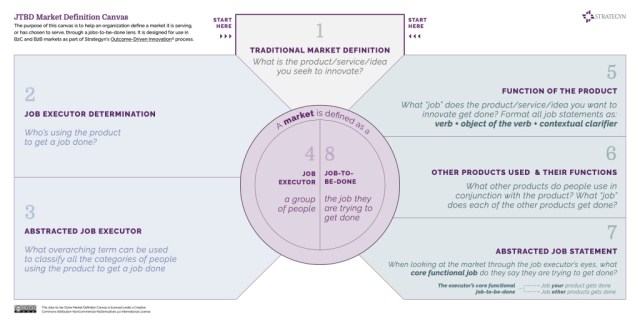
Steve Blank How to Find a Market? Use Jobs-To-Be-Done as the Front End of Customer Discovery
Modern entrepreneurship began at the turn of the 21st century with the observation that startups aren’t smaller versions of large companies – large companies at their core execute known business mo…
Your tech stack is not the product
Early stage technology decisions must be, uncomfortably, a means to an end.

Know Your Customers’ “Jobs to Be Done”
Firms have never known more about their customers, but their innovation processes remain hit-or-miss. Why? According to Christensen and his coauthors, product developers focus too much on building customer profiles and looking for correlations in data. To create offerings that people truly want to buy, firms instead need to home in on the job the customer is trying to get done. Some jobs are little (pass the time); some are big (find a more fulfilling career). When we buy a product, we essentially “hire” it to help us do a job. If it does the job well, we hire it again. If it does a crummy job, we “fire” it and look for something else to solve the problem. Jobs are multifaceted. They’re never simply about function; they have powerful social and emotional dimensions. And the circumstances in which customers try to do them are more critical than any buyer characteristics. Consider the experiences of condo developers targeting retirees who wanted to downsize their homes. Sales were weak until the developers realized their business was not construction but transitioning lives. Instead of adding more features to the condos, they created services assisting buyers with the move and with their decisions about what to keep and to discard. Sales took off. The key to successful innovation is identifying jobs that are poorly performed in customers’ lives and then designing products, experiences, and processes around those jobs.

Hot Take: Google has a company strategy, not a product strategy
Or, Why Google keeps killing products

computational product market fit
‘computer science is no more about computers than astronomy is about telescopes.’ — edsger dijkstra