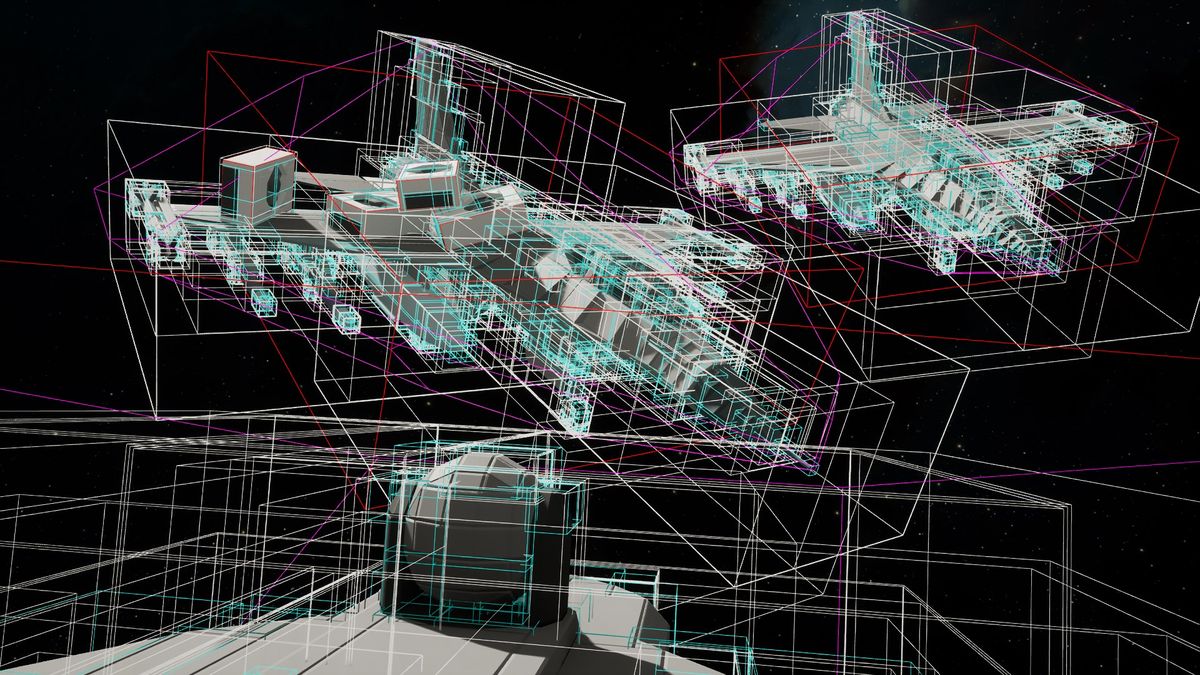
What if you could store cargo in your space ship and fly the space ship inside a rotating space station, which you built using hundreds of thousands of bricks?
Collision frequency of artificial satellites - The creation of a debris belt
As the number of artificial satellites in earth orbit increases, the probability of collisions between satellites also increases. Satellite collisions would produce orbiting fragments, each of which would increase the probability of further collisions, leading to the growth of a belt of debris around the earth. This process parallels certain theories concerning the growth of the asteroid belt. The debris flux in such an earth-orbiting belt could exceed the natural meteoroid flux, affecting future spacecraft designs. A mathematical model was used to predict the rate at which such a belt might form. Under certain conditions the belt could begin to form within this century and could be a significant problem during the next century. The possibility that numerous unobserved fragments already exist from spacecraft explosions would decrease this time interval. However, early implementation of specialized launch constraints and operational procedures could significantly delay the formation of the belt.
Loper OS » You have made your bedrock, now lie in it.
As a child, I was quite fond of old-fashioned Lego bricks. One very endearing but rarely discussed property of such bricks is their durability, bordering on the indestructible. Almost any abuse inflicted on a Lego structure will, at worst, leave you with a pile of bricks entirely like the one you started with. Even the most baroque Lego edifice will always break into Legos, and not jagged shards of plastic. In my childhood, this felt like something approaching an elementary physical law. As with many real physical laws, it applies in a restricted (though usefully broad) domain: a Lego castle dropped from the Empire State Building or crushed in a garbage compactor will leave behind many pieces still recognizable as Legos, and almost certainly a few which are not. However, in my childhood I did not have ready access to garbage compactors or the roofs of tall buildings, and so the Lego brick seemed like an impregnable elementary particle: a bedrock abstraction.
HardonCollider - A collision detection library
HardonCollider will automatically detect - but not resolve - collisions. It uses an efficient search data structure (a spatial hash) to quickly find colliding shapes.
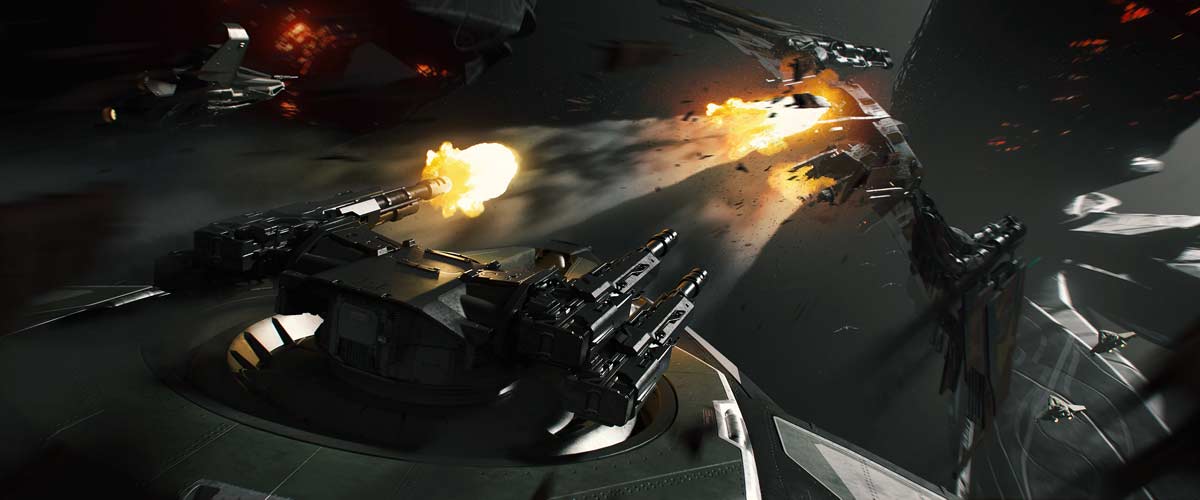
#DPSCalculator
Star Citizen tools for DPS, damage, power and cooling simulations including an up to date ships and components database
The Brick Protocol
When storage cost money per kilobyte, when disks were finite, when networks were slow—we needed containers. We needed to know where things were. The file system was a map of a small territory.
Garage storage
I finally admitted to myself that I’ll never get a vehicle in our one-car garage again, so I might as well build shelving to make better use of the space. Weekends from the end of July to las…


A Vision for Cargo
According to Stack Overflow, cargo is the most desired development tool. Many people attribute their choice of Rust to Cargo. I've heard from many people that Cargo is already great and that they can't think of any way it could be improved. I want to set our sights higher.
A year into the wreckage and salvage
It’s coming up on been a year, somehow, since I started this website/micro-studio/space to think in. What a wild choice that was, setting out in October of 2024, eyes on the horizon! We’d hoped things would turn out differently. The research and thinking I came
paper/paper.pdf at main · cordiverse/paper
A Programming Paradigm for Spatiotemporal Composability - cordiverse/paper
Brickster — Build anything, together.
Build playful 3D brick creations with friends, then save them to your ATProto account.


Foldable Flight: The Best Paper Airplanes in the World!
The world's largest database of paper airplanes with easy, step-by- step video tutorials for folding each plane!

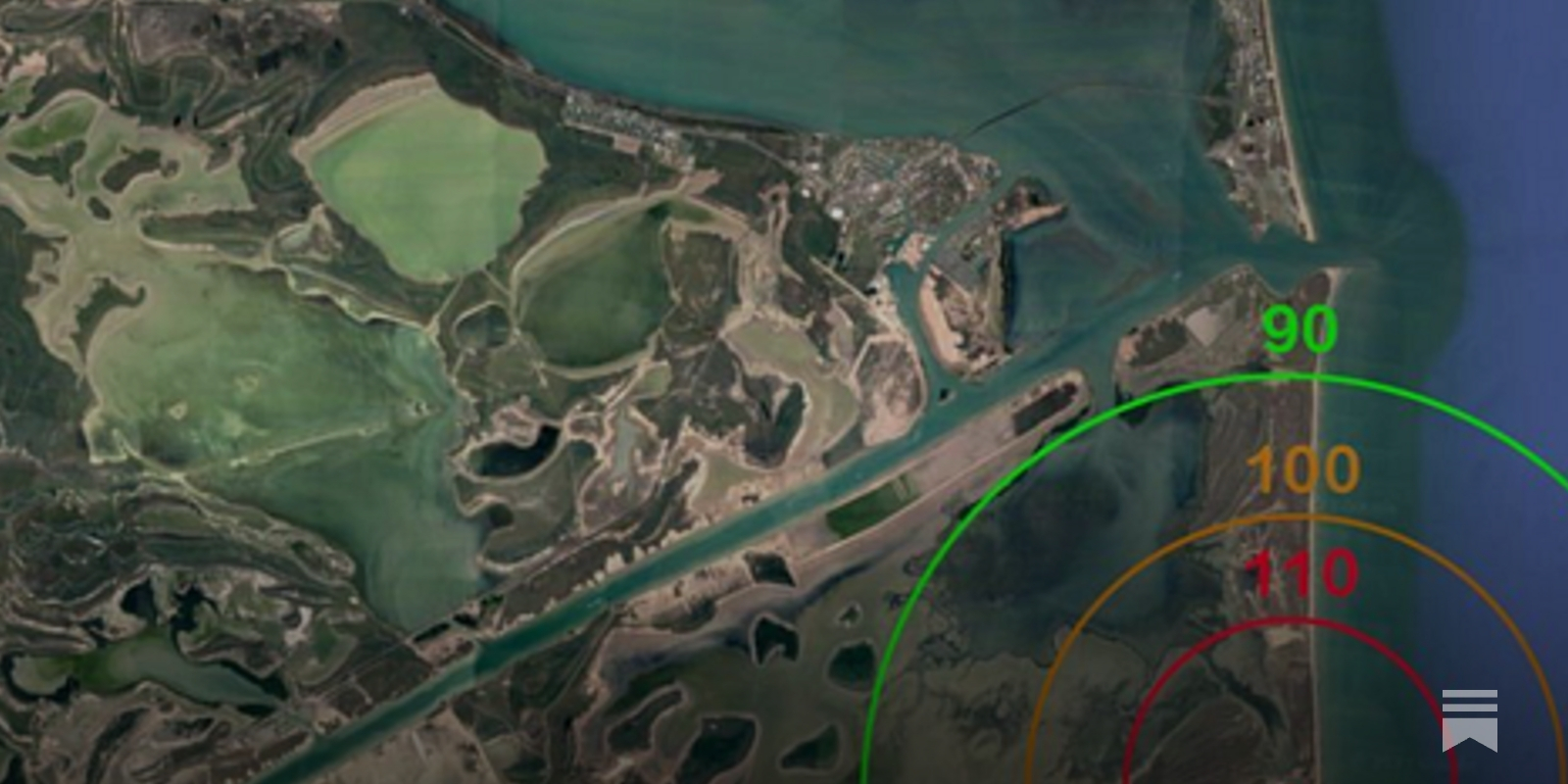
SpaceX's Texas Rocket is Going To Cause A Lot More Damage Than Anyone Thinks
On Friday, the Federal Aviation Administration issued a license for SpaceX to launch the first orbital test of Starship, the largest rocket in human history, as soon as this Monday, April 17th.