BRIDGE is a European Commission initiative that brings together projects from Horizon Europe with a focus on smart energy systems, in particular Smart Grid, Energy Storage, and Digitalisation Projects.
Human Rights | Bridge EU
Bridge EU aims to provide strategic support to bridge the gap between recent social and human rights challenges and policies across Europe.
Bridges & scruples
For your own sanity, you have to remember that not all problems can be solved. Not all problems can be solved, but all problems can be illuminated. —Ursula Franklin
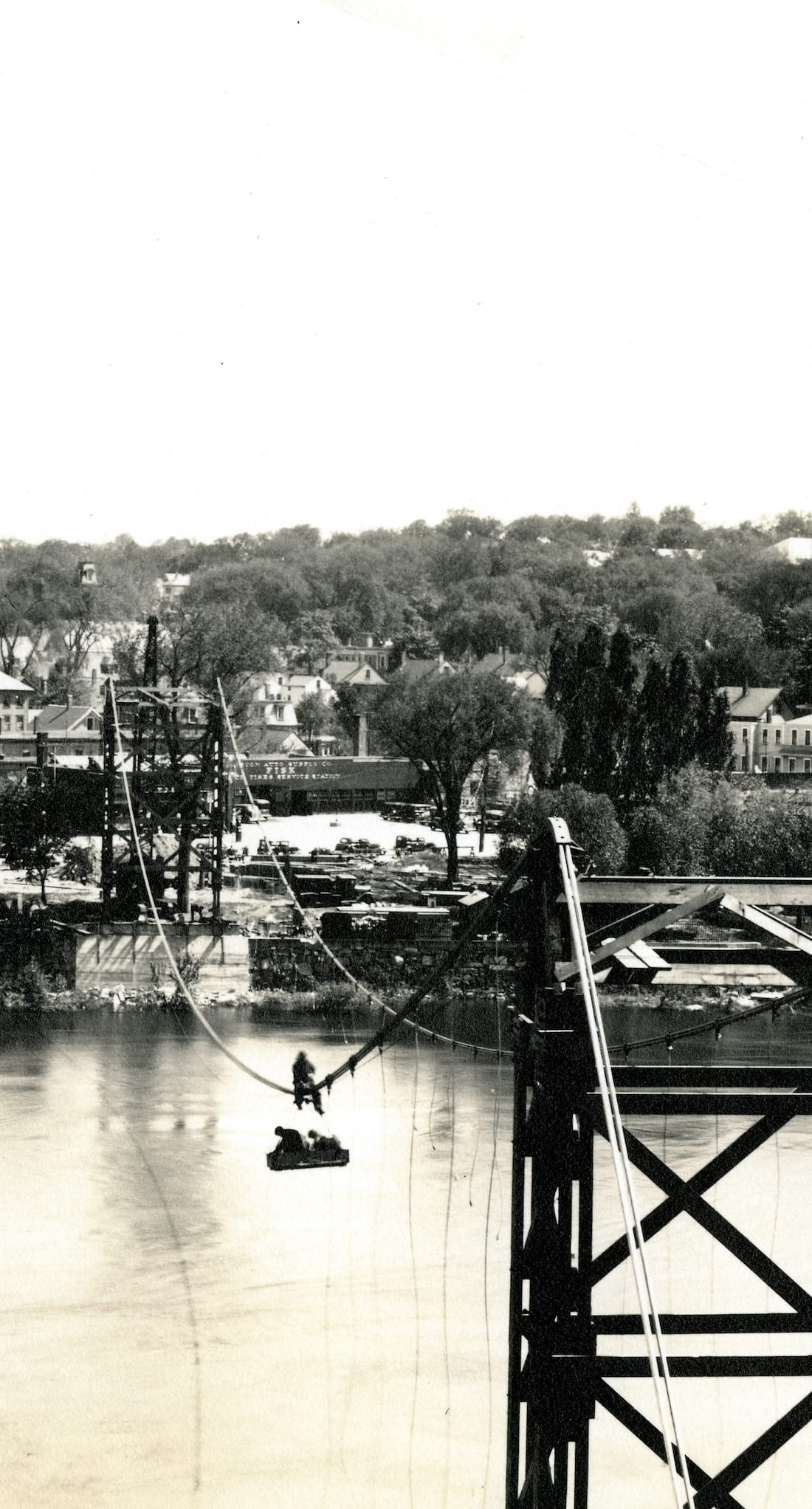

Bridges & The Last Network Effect - augment
Ikea tried to build a smart home for everyone — here’s why it’s not working yet
The dream of interoperability is still just that.

Breakthrough Energy | Home
Empowering innovators to build the future of energy
Home
Solidarity Infrastructures is a class that brings together creative practitioners from respective communities to investigate, strategize, upskill, and dream toward alternative socio-technological systems.
Tear Down Walls, and Build Bridges
A libre networking project that's designed to bridge protocol spaces together announced its progress and intentions, and Mastodon users freaked out.


Horizon Europe
The EU's research and innovation funding programme 2021-2027



The Electrification Staircase — Mapping Europe's Path to Full Electrification
Introducing the Electrification Staircase: a visual framework showing the steps Europe must take to fully electrify its economy.

EU-AI | Igor L.
The geopolitical landscape is shifting from physical borders to digital infrastructure. Here is a factual breakdown of how a $500 billion investment in "Sovereign AI" is changing global power dynamics. The Shift: From Land to "Substrate" Historically, a nation’s power was defined by its territory and legal systems (the Westphalian model). Today, power is increasingly tied to the compute substrate—the physical hardware and energy required to run AI. 1. Infrastructural Enclosure The "Sovereign Compute Coalition" (SCC) represents a massive consolidation of power. Major private entities are acquiring the three pillars of modern national strength: * Hardware: High-end AI chips (e.g., Nvidia). * Energy: The massive power grids needed to fuel them. * Data Centers: The physical "brains" of the digital economy. 2. The Rise of Technocracy As private companies own these essential tools, governments may find themselves in a position where they effectively "rent" their ability to govern. This moves decision-making power away from elected officials and toward those who control AI infrastructure. 3. Europe’s Strategic Response Europe is launching several initiatives to avoid becoming a "client state" of foreign tech providers. The strategy focuses on four main channels: * 8ra Initiative: Building a decentralized, multi-provider cloud-edge architecture to ensure data remains under European control and interoperable across borders. * ReArm Europe: A strategic defense package (presented in March 2025) aimed at boosting industrial competitiveness and reducing strategic dependencies in technology and defense. * Sovereign LLMs: Developing domestic models, such as Mistral, that are designed to align with European data privacy standards and cultural values. * Energy & Procurement: Using public procurement and new regulatory frameworks to create demand for homegrown, sustainable energy-efficient compute solutions. The goal of these moves is #DigitalSovereignty : the ability for a region to control its own digital destiny without relying exclusively on transnational monopolies. Data tells the real story. Are you following it? Follow #datanomics

Build a curved trestle bridge over fake rocks on an N scale model railway
The UK tech energy grab: how AI data centres are delaying the building of homes
Artificial intelligence infrastructure is being handed priority access to Britain's overwhelmed electricity grid, pushing housing down the list. But as the US shows, there's an alternative: make Big Tech pay for the power it needs. Report by Nicole Kobie