

“We wanted flying cars, instead we got 140 characters.” Peter Thiel’s famous lament captures the disappointment of those of us raised on mid-20th-century technological optimism.
The Age of Wonders and Terrors
Twenty years ago, when the idea of AI taking over the world in our lifetimes still struck most of us as the unconstrained fantasy of those who knew too much science fiction and too little science, …

"I just find AI to be creatively soulless": Casey Hudson on the controversial tech and Star Wars: Fate Of The Old Republic
"I’m just really unimpressed with it."
We used to get excited about technology. What happened?
Innovation that truly serves us all is in scarce supply. That’s a problem.

We need more video games that are social platforms first, games second | TechCrunch
During these long, mundane physically-distant days, stretching on into an uncertain future like an ever-lengthening beigeish corridor, it's impossible not

They Promised Us Jet Packs. They Promised the Bosses Profit. (Published 2016)
Alphabet’s X research lab is still being asked to imagine the impossible. Only now, under pressure from investors, it has to imagine making money, too.

The Whale and the Reactor: A Search for Limits in an Age of High Technology, Second Edition
“In an age in which the inexhaustible power of scientific technology makes all things possible, it remains to be seen where we will draw the line, where we will be able to say, here are possibilities that wisdom suggest we avoid.” First published to great acclaim in 1988, Langdon Winner’s groundbreaking exploration of the political, social, and philosophical implications of technology is timelier than ever. He demonstrates that choices about the kinds of technical systems we build and use are actually choices about who we want to be and what kind of world we want to create—technical decisions are political decisions, and they involve profound choices about power, liberty, order, and justice. A seminal text in the history and philosophy of science, this new edition includes a new chapter, preface, and postscript by the author.

On technological optimism and technological pragmatism
"There are no guarantees that things are going to turn out very well for anyone.”
other futures: tech, resistance & imagining otherwise
big tech wants to control our future, but there are other paths we can choose instead. on "other futures" we bring together leading tech researchers, organizers, critics, and storytellers to help us imagine what more liberatory and human-centered tech futures could look like—and how we can build them together. brought to you by DAIR and the All Tomorrows Institute.

Telepath: building a new kind of computer
So, we made a thing: Let’s back up: for as long as I can remember, I’ve been obsessed with computers, fascinated not just by what they can do but what they could become. Like many, I took my early inspiration from science fiction. I dreamed of someday having something like the Enterprise’s computer. And why not? Science fiction has always driven scientists, engineers, and inventors to create real things that change the world.
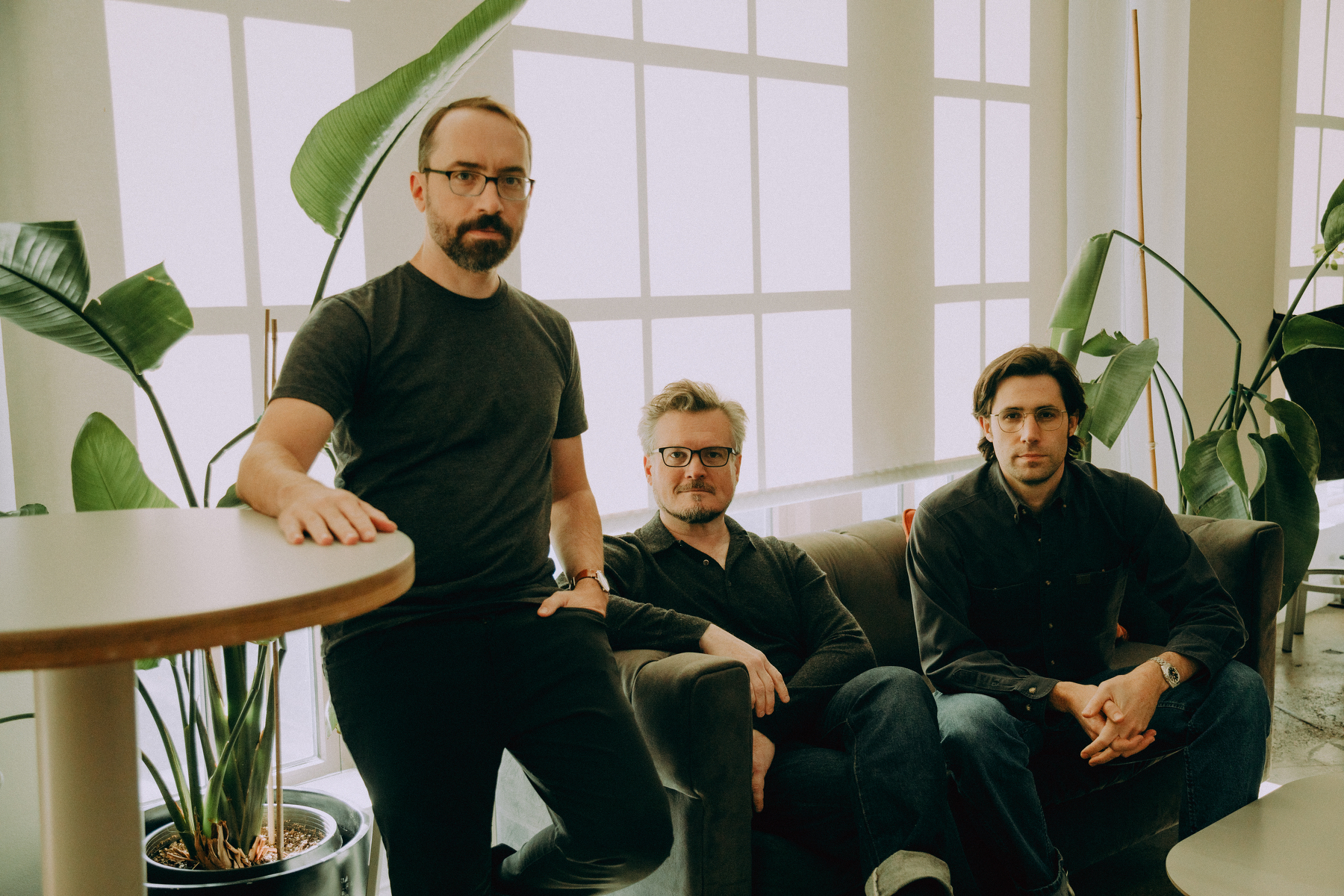
Quote Origin: The Optimist Invents the Airplane and the Pessimist the Parachute – Quote Investigator®
George Bernard Shaw? Gladys Bronwyn Stern? W. H. H. MacKellar? Gil Stern? Mack McGinnis?
Enough AI copilots! We need AI HUDs
In my opinion, one of the best critiques of modern AI design comes from a 1992 talk by the researcher Mark Weiser where he ranted against “copilot” as a metaphor for AI.

Solarpunk Futures
Players remember the stories of how their Ancestors built a Utopia.

What’s the best technology that doesn’t exist yet?
We analyzed 100+ conversations and essays on positive futures to find out

AI Science Fiction Versus Reality