

Linkedin is searching your computer Every time you visit linkedin.com, a JavaScript program embedded in the page scans your browser for installed Chrome extensions. The program runs silently, without any visible indicator to the user. It does not ask for consent. It does not disclose what it is doing. It reports the results to LinkedIn’s servers. This is not a one-time check. The scan runs on every page load, for every visitor.
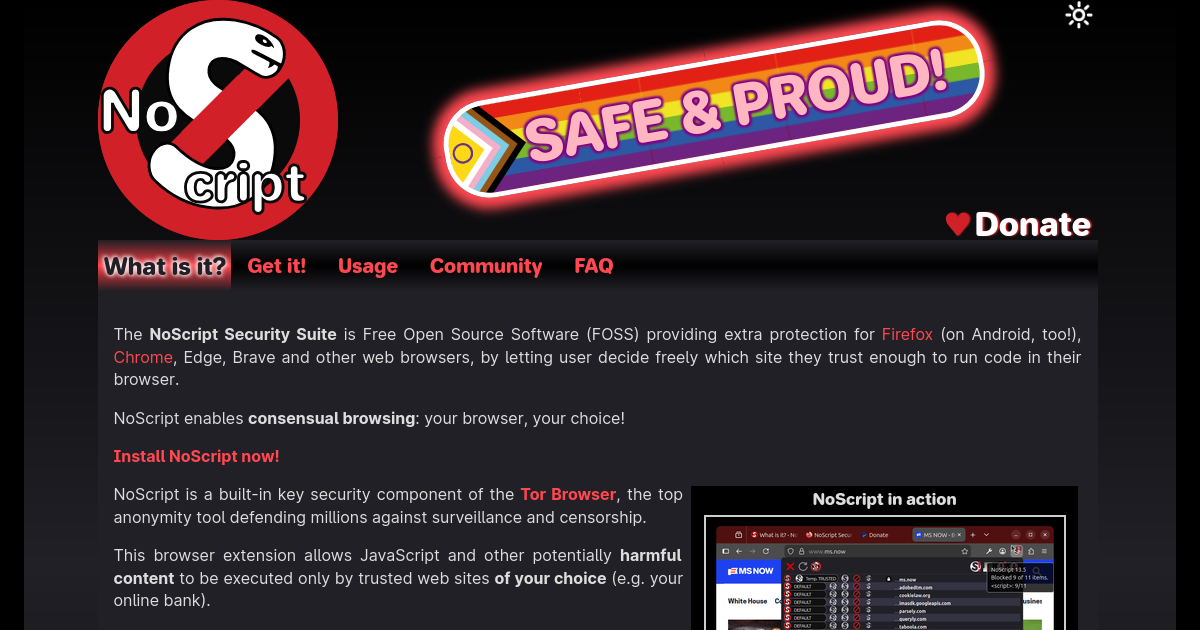
What is it? - NoScript: consensual browsing!
The NoScript Security Suite is Free Software protecting Firefox (on Android, too!), Chrome, Edge, Brave and other web browsers. Install NoScript now!
Here’s What Your Browser is Telling Everyone About You
Your browser sends a lot of information with each website you visit. That can be used to track you across the internet.

This ‘Privacy Browser’ Has Dangerous Hidden Features
The Universe Browser is believed to have been downloaded millions of times. But researchers say it behaves like malware and has links to Asia’s booming cybercrime and illegal gambling networks.


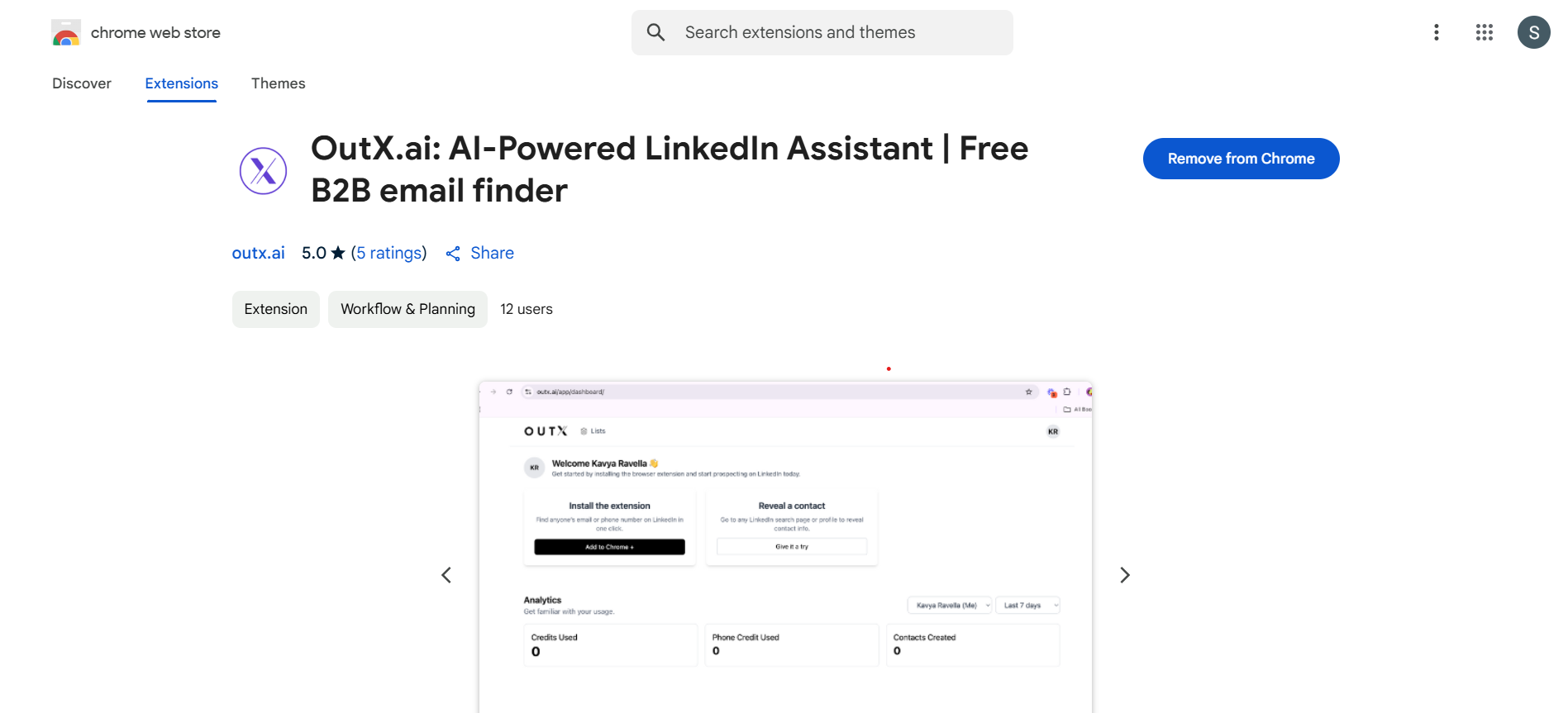
Free LinkedIn Profile Viewer — View Profiles Anonymously (2026)
View any LinkedIn profile anonymously without logging in. OutX's free profile viewer lets you research leads and competitors privately. No sign-up needed.
Privacy Badger
Privacy Badger is a browser extension that stops advertisers and other third-party trackers from secretly tracking where you go and what pages you look at on the web. If an advertiser seems to be tracking you across multiple websites without your permission, Privacy Badger automatically blocks that advertiser from loading any more content in your browser. To the advertiser, it’s like you suddenly disappeared.

LinkedIn has over 675 Million Members. Want to know what LinkedIn User Number you are? They don't make it easy, but you can do it - here's how: Go to to your profile page, then choose "view… | Chris Fralic | 34 comments
LinkedIn has over 675 Million Members. Want to know what LinkedIn User Number you are? They don't make it easy, but you can do it - here's how: Go to to your profile page, then choose "view source" from your browser, then search for "member:" and you'll see a number appear - that's it. | 34 comments on LinkedIn

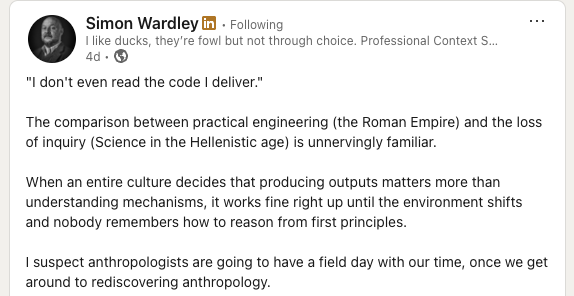
Nobody knows how the whole system works
One of the surprising (at least to me) consequences of the fall of Twitter is the rise of LinkedIn as a social media site. I saw some interesting posts I wanted to call attention to: First, Simon W…
Browser Fingerprinting: An Introduction and the Challenges Ahead | Tor Project
In the past few years, a technique called browser fingerprinting has received a lot of attention because of the risks it can pose to privacy. What is it? How is it used? What is Tor Browser doing against it? In this blog post, I’m here to answer these questions.

Your intellectual fly is open | The Observation Deck
Note: This was originally published as a LinkedIn post on November 11, 2025. I need to make a painful confession: somehow, LinkedIn has become an important social network to me. This isn’t necessarily due to LinkedIn’s sparkling competence, of course. To the contrary, LinkedIn is the Gerald Ford of social networks: the normal one that was left standing as the Richard Nixons and the Spiro Agnews of social media imploded around them. As with Gerald Ford, with LinkedIn we know that we’re getting something a bit clumsy and boring, but (as with post-Watergate America!), we’re also getting something that isn’t totally crooked — and that’s actually a bit of a relief.
Using Ads to Sustain Open Source
Why someone who loves Privacy Badger, uses a non-tracking browser, and never cared for ads, is advocating their ethical use for open…
LinkedIn and X Are Flooded With AI Spam, Browsing Data Suggests
An AI detection company found that amount of AI content that users actually see in their day-to-day browsing is shockingly high.

Websites have a new way to spy on visitors: Analyzing their SSD activity
Telltale SSD activity can be measured in the browser using simple JavaScript.

Sifa · Portable professional identity on the open web
Replace your LinkedIn URL with a portable profile that gathers the work you already publish across the open web. EU-hosted. Free. No lock-in.
Sifa · Portable professional identity on the open web
Replace your LinkedIn URL with a portable profile that gathers the work you already publish across the open web. EU-hosted. Free. No lock-in.