

Guidelines for web design that adhere to the tenets and ethos of Brutalism

Dead Simple Sites — Minimal Web Design Inspiration & Gallery
A curated gallery of the most minimal, clean websites on the internet. No animations, no scroll jacking — just pure, simple web design inspiration. Updated weekly.

The A.I.-Design Aesthetic That’s Taking Over the Internet
How Anthropic’s new tool, Claude Design, is creating overnight web-design clichés.
%20(1).jpg)
Design Justice: Community-Led Practices to Build the Worlds We Need
An exploration of how design might be led by marginalized communities, dismantle structural inequality, and advance collective liberation and ecological survival. What is the relationship between design, power, and social justice? “Design justice” is an approach to design that is led by marginalized communities and that aims expilcitly to challenge, rather than reproduce, structural inequalities. It has emerged from a growing community of designers in various fields who work closely with social movements and community-based organizations around the world. This book explores the theory and practice of design justice, demonstrates how universalist design principles and practices erase certain groups of people—specifically, those who are intersectionally disadvantaged or multiply burdened under the matrix of domination (white supremacist heteropatriarchy, ableism, capitalism, and settler colonialism)—and invites readers to “build a better world, a world where many worlds fit; linked worlds of collective liberation and ecological sustainability.” Along the way, the book documents a multitude of real-world community-led design practices, each grounded in a particular social movement. Design Justice goes beyond recent calls for design for good, user-centered design, and employment diversity in the technology and design professions; it connects design to larger struggles for collective liberation and ecological survival. The open access edition of this book was made possible by generous funding from Knowledge Unlatched and the MIT Press Frank Urbanowski Memorial Fund.
Webdesign as architecture
An attempt at modelling digital design as a form of psychological architecture, taking the form of a single HTML document.
Designing with Hypertextual Friction in the Algorithmic Web – Sophia Liu | ACM Hypertext '25
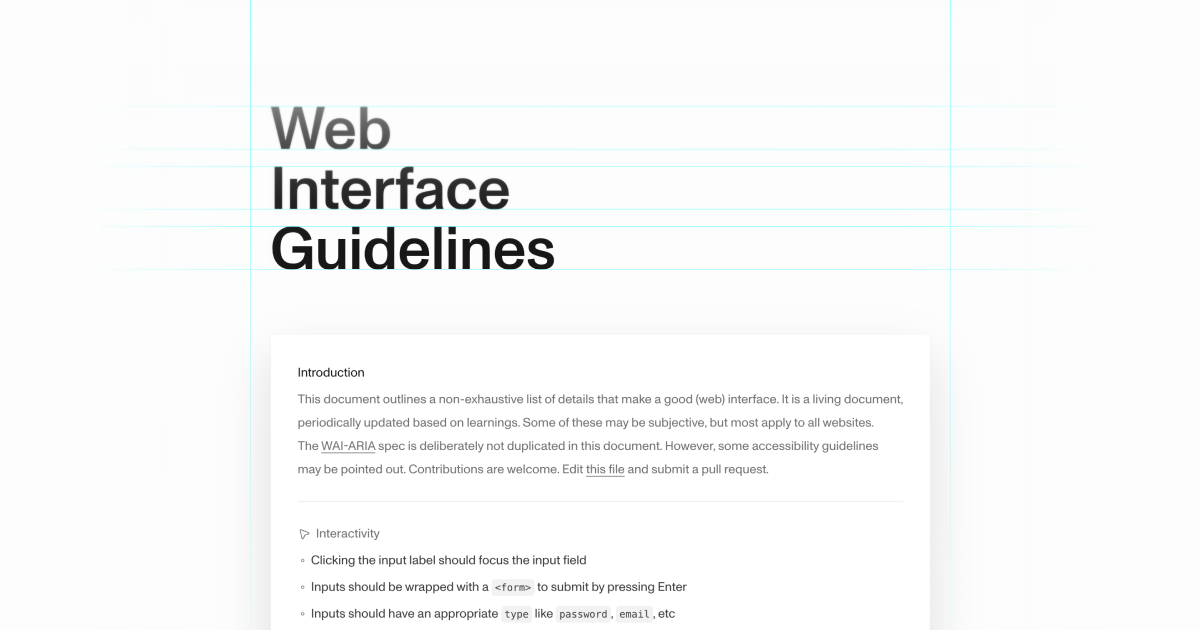
Web Interface Guidelines
Guidelines for building great interfaces on the web. Covers interactions, animations, layout, content, forms, performance & design.

Web Crypto’s SubtleCrypto: A Masterclass in Developer Hostility and How It Strangles the Modern Web
Not Subtle, Just Sabotage — An API Against the Web
Theming atproto · blog.damato.design
Taking Mise en Mode into the new web standard
Who Shapes Web Standards? Uncovering the Main Topics of Interest in the W3C
Design Justice: Community-Led Practices to Build the Worlds We Need
An exploration of how design might be led by marginalized communities, dismantle structural inequality, and advance collective liberation and ecological su
Ethical Web Principles
The web should be a platform that helps people and provides a positive social benefit. As we continue to evolve the web platform, we must therefore consider the consequences of our work. The following document sets out ethical principles that will drive W3C's continuing work in this direction.
Web Interface Guidelines
A non-exhaustive list of details that make a good web interface.
Agency Among Agents: Designing with Hypertextual Friction in the Algorithmic Web
Today's algorithm-driven interfaces, from recommendation feeds to GenAI tools, often prioritize engagement and efficiency at the expense of user agency. As systems take on more decision-making, users have less control over what they see and how meaning or relationships between content are constructed. This paper introduces "Hypertextual Friction," a conceptual design stance that repositions classical hypertext principles--friction, traceability, and structure--as actionable values for reclaiming agency in algorithmically mediated environments. Through a comparative analysis of real-world interfaces--Wikipedia vs. Instagram Explore, and Are.na vs. GenAI image tools--we examine how different systems structure user experience, navigation, and authorship. We show that hypertext systems emphasize provenance, associative thinking, and user-driven meaning-making, while algorithmic systems tend to obscure process and flatten participation. We contribute: (1) a comparative analysis of how interface structures shape agency in user-driven versus agent-driven systems, and (2) a conceptual stance that offers hypertextual values as design commitments for reclaiming agency in an increasingly algorithmic web.

Agency Among Agents: Designing with Hypertextual Friction in the Algorithmic Web
Today's algorithm-driven interfaces, from recommendation feeds to GenAI tools, often prioritize engagement and efficiency at the expense of user agency. As systems take on more decision-making, users have less control over what they see and how meaning or relationships between content are constructed. This paper introduces "Hypertextual Friction," a conceptual design stance that repositions classical hypertext principles--friction, traceability, and structure--as actionable values for reclaiming agency in algorithmically mediated environments. Through a comparative analysis of real-world interfaces--Wikipedia vs. Instagram Explore, and Are.na vs. GenAI image tools--we examine how different systems structure user experience, navigation, and authorship. We show that hypertext systems emphasize provenance, associative thinking, and user-driven meaning-making, while algorithmic systems tend to obscure process and flatten participation. We contribute: (1) a comparative analysis of how interface structures shape agency in user-driven versus agent-driven systems, and (2) a conceptual stance that offers hypertextual values as design commitments for reclaiming agency in an increasingly algorithmic web.
Design* tools

Not necessarily *design* design (also includes links related to web design in a broad sense or maybe even just like, posting things online)

Editable — the website you can edit on the page
Figma Plugins for Design Systems (by B. Prendergast) — Semble
human.json
The Website Specification
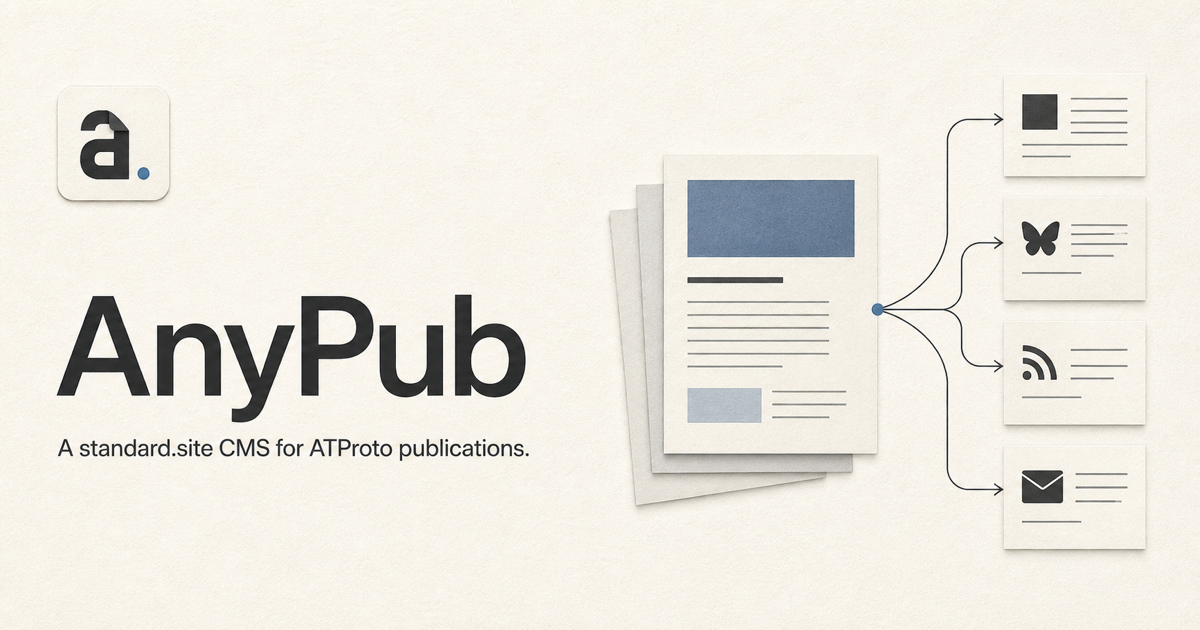
AnyPub

clipart.studio — magazine collage maker