

Students from all 50 states just drafted an #AIBillofRights. They named cheating, bias, privacy mental health, environmental costs and more. The civic grammar of AI rights is traveling and we're fortunate that young people are leading the way and writing it. the74million.org/article/students-convene-to-h…

Alondra Nelson
AI companies are writing their own constitutions. Meanwhile, a shared vocabulary for contesting algorithmic power has been traveling across red and blue states, from legislatures to civil society. New from me in @science.org: "A Civic Grammar for AI Rights" science.org/doi/10.1126/science.aeh7153 🧵
Jul 26, 2026 at 11:55 AM
AI, Ethics, and Society — Home
'Students Are Being Treated Like Guinea Pigs:' Inside an AI-Powered Private School
Leaked documents reveal the inner workings of Alpha School, which both the press and the Trump administration have applauded. The documents show Alpha School's AI is generating faulty lessons that sometimes do "more harm than good."

'Students Are Being Treated Like Guinea Pigs:' Inside an AI-Powered Private School
Leaked documents reveal the inner workings of Alpha School, which both the press and the Trump administration have applauded. The documents show Alpha School's AI is generating faulty lessons that sometimes do "more harm than good."

AI and the crisis of the author
Editor’s note (September 21, 2026): We have removed this essay. AI was used in its preparation. The TLS editorial guidelines prohibit the use of AI in the
Alex Veremeyenko on Twitter / X
MIT published a brutally honest report on what AI is doing to students.A committee of professors and students spent five months studying how AI changed learning on campus, and the findings read like a warning to every university on the planet.Study groups are disappearing.… pic.twitter.com/kSxKk4h06o— Alex Veremeyenko (@alex_verem) September 12, 2026
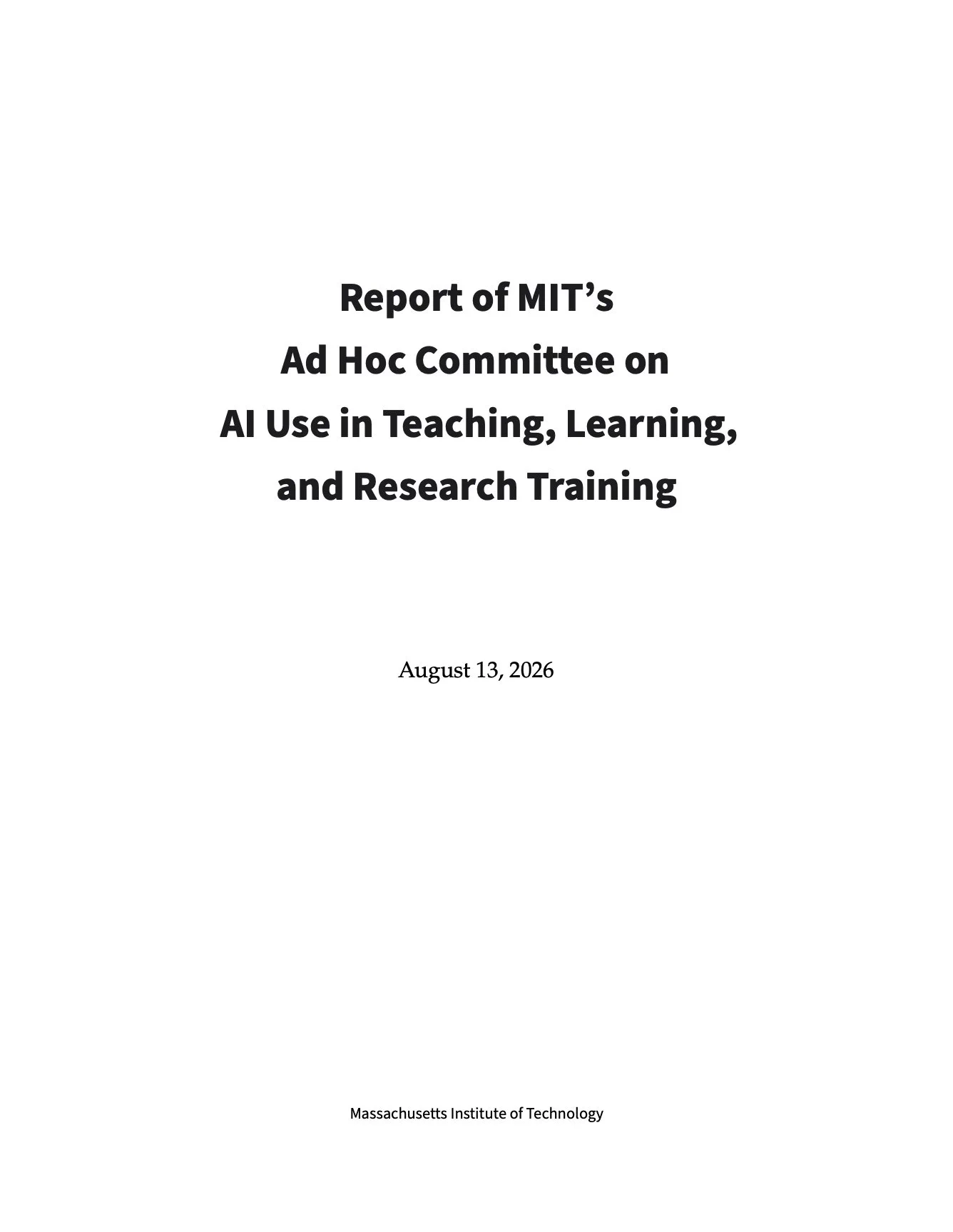
18 Lawyers Caught Using AI Explain Why They Did It
Lawyers blame IT, family emergencies, their own poor judgment, their assistants, illness, and more.
Unlawful by design: Exposing the human rights costs of generative AI - Amnesty International
This briefing examines how standalone generative AI systems, based on unlawful web scraping, are in conflict with international human rights law (IHRL) and standards through their design, development and deployment. While these technologies promise sophisticated automation and efficiency, they rely on data collection and model training practices that abuse privacy rights, enable discrimination, and threaten […]
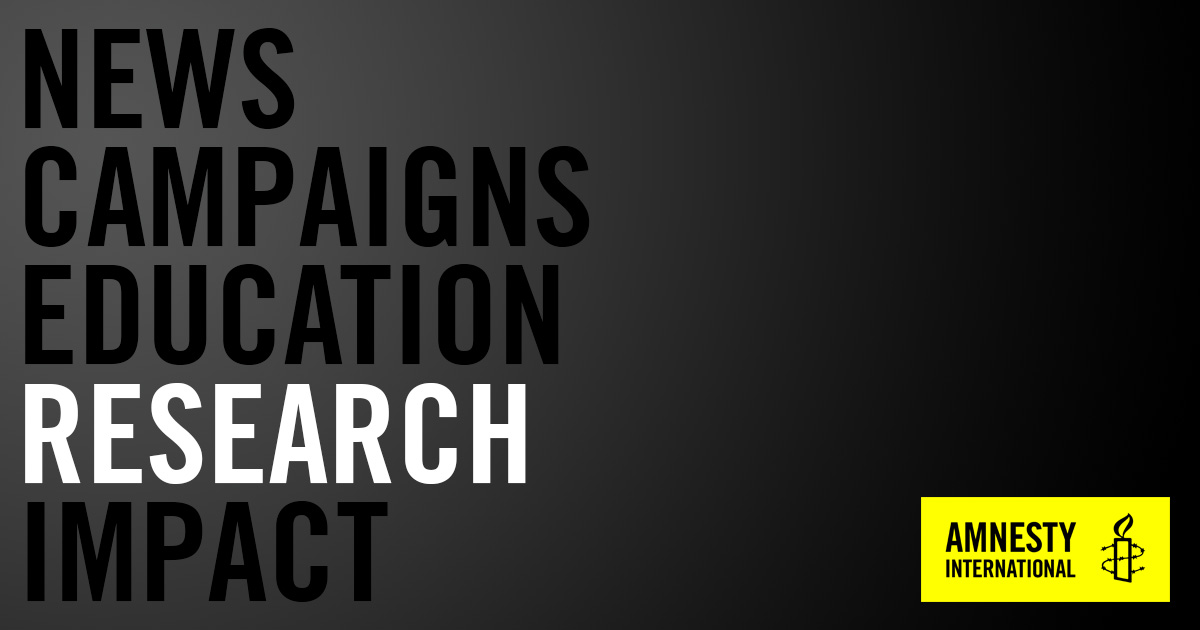
Mayor Mamdani and Chancellor Samuels Put Students First with Nation’s Broadest Generative AI Moratorium in Schools
NEW YORK – Mayor Zohran Kwame Mamdani and Schools Chancellor Kamar H. Samuels today announced a moratorium on student-facing generative Artificial Intelligence (AI) use in schools, alongside a new screen time policy, a decision that will impact nearly 600,000 public school students, or two-thirds of the system’s total enrollment. The policy establishes a one-year moratorium, effective in the 2026-2027 school year, on student-facing generative AI for children in 2-K through 8th grade. It also introduces twice-yearly AI critical thinking modules for high schoolers, limited AI pilots for a small number of high school classrooms and age-appropriate screen time restrictions.

The risks of AI in schools outweigh the benefits, report says
A new report warns that AI poses a serious threat to children's cognitive development and emotional well-being.

I knew my writing students were using AI. Their confessions led to a powerful teaching moment | Micah Nathan
The problem wasn’t just the perfectly polished, yet mediocre prose. It’s what’s lost when we surrender the struggle to translate thought into words
Leaked Anthropic Draft AI Regulatory Bill Is Unacceptable and Troubling
There is a newly leaked bill that Anthropic is purportedly shopping around is (if you assume its bugs get fixed).
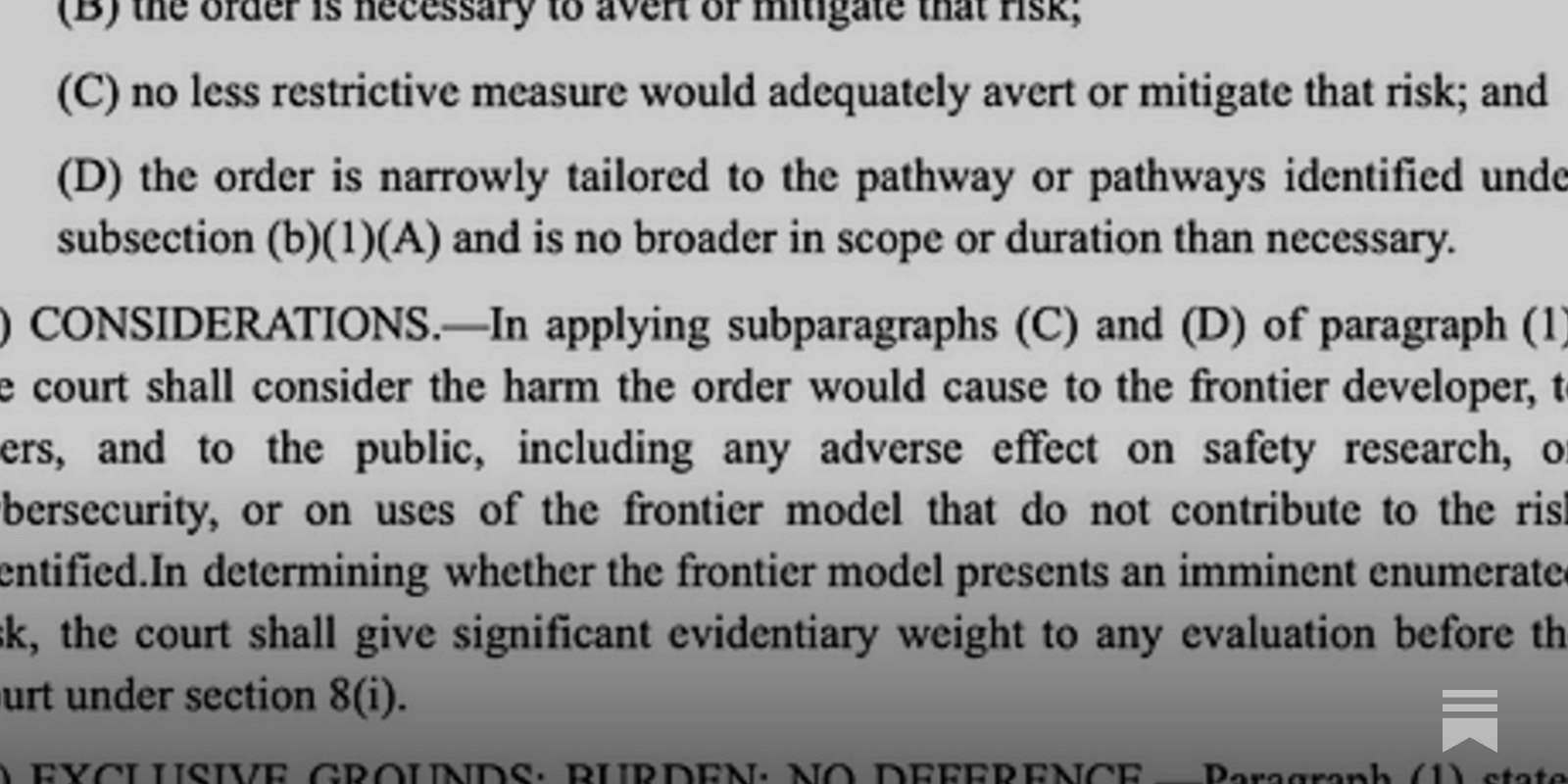
AI and the Dangerous Fiction of ‘All Lawful Use’
Dunstan Allison-Hope and Iain Levine argue that human rights commitments are essential for all companies selling their products to governments worldwide.

We All Hate AI, but if You’re Poor, It Can Really Ruin Your Life
Debt collection. Parole decisions. Oversight of public services. It’s all being outsourced to AI, with terrible consequences for poor people.

Practical Data Ethics
Free, online course from fast.ai and USF Data Institute covering disinformation, bias & fairness, ethical foundations, practical tools, privacy & surveillance, the silicon valley ecosystem, and algorithmic colonialism
Pluralistic: Why I don’t like AI art (25 Mar 2025) – Pluralistic: Daily links from Cory Doctorow
A law professor friend tells me that LLMs have completely transformed the way she relates to grad students and post-docs – for the worse. And no, it's not that they're cheating on their homework or using LLMs to write briefs full of hallucinated cases.

