

Dario Amodei — We Must Pace the Frontier
I have worked on AI for the last twelve years because I believe it could dramatically raise the quality of human life. I’ve written often about these incredible benefits: I believe that AI could cure most major diseases in the next 5–10 years, greatly accelerate economic growth rates, create a world of abundance and empowerment, and usher in a renaissance of democracy and freedom. I feel the urgency personally. My own father died of a disease that was cured just a few years after his death, and I myself survived an early-stage cancer that would not have been treatable even fifty years ago. Carefully wielded, AI can be the latest in a long line of technological miracles that have uplifted and ennobled humanity.
Grace (@gracekind.net)
For my part, seeing AI catch up to my abilities in several domains has been painful. I feel a sense of loss. And I’m in a position where I have (a tiny bit of) leverage and control over the process. I can only imagine how painful it would be if I felt like it were completely out of my hands

Knowing less about AI makes people more open to having it in their lives – new research
People with less AI literacy often see the technology as ‘magical’ and awe-inspiring.
Knowing less about AI makes people more open to having it in their lives – new research
People with less AI literacy often see the technology as ‘magical’ and awe-inspiring.
AI Slop and the End of Knowledge
As an early fan of the internet, I was amazed that all the knowledge of the world was becoming available to everyone, everywhere, all the time. But things have changed.

Something Big Is Happening
A personal note for non-tech friends and family on what AI is starting to change.
More Than a Tool
What We Learned from a Year of Conversations About AI
What the Studies Say About How AI Affects Your Brain: A (Very Big) Compilation
The entire literature clearly points to a single surprising finding
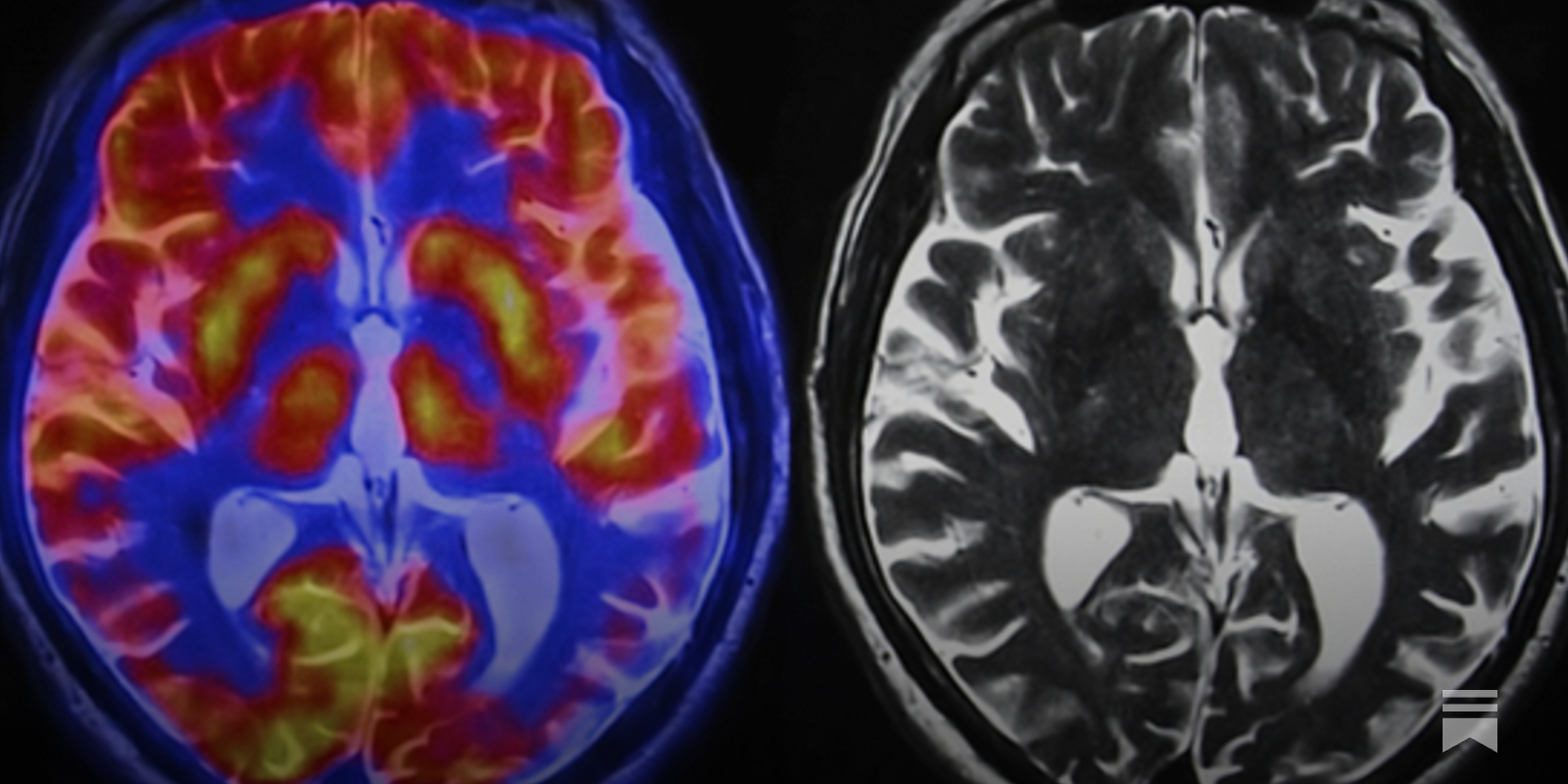
Using AI for advice or other personal reasons is linked to depression and anxiety
A new survey found that people who spend more time with chatbots for social interactions or emotional support were likelier to report mental health symptoms.

Americans Turning to AI to Supplement Healthcare Visits
One in four Americans use AI for health information. Most do so to supplement care, but some are using AI in place of a provider visit when barriers arise.
Dell's CES 2026 chat was the most pleasingly un-AI briefing I've had in maybe 5 years
"A bit of a shift from a year ago where we were all about the AI PC."

My AI Adoption Journey
My experience adopting any meaningful tool is that I've necessarily gone through three phases: (1) a period of inefficiency (2) a period of adequacy, then finally (3) a period of workflow and life-altering discovery.

People are using AI for their health crises, and no amount of screaming about it is stopping that. I started slowly drafting a piece about my experiences having long, slow conversations about AI practices in the patient communities I'm in, where I primarily stay just to provide scientific support
I have been watching the dialogue on this one closely. To everyone who is saying "OP is special, no one could use AI this way" well, I have spent 18 months doing significant amounts of scicomm in patient communities and they are ALL using AI this way. wrote this to help: github.com/DrCatHicks/informed-patient

GitHub - DrCatHicks/informed-patient: A Claude Skill to create an evidence review to inform specific health questions
github.com
Computational Cosmetologist
I had strong priors against LLMs for medicine. There are a lot of doctors in my family and I grew up viewing doctors as careful, skilled professionals. I had plenty of bad medical experiences, but I thought it would be hard to do better. Then an LLM found a cure for my 2 decade chronic condition...

