

fwiw, and our users may feel totally differently, but the economic model we are trying to build towards is significantly less driven by traffic / page views, and more by direct economic relationships w/ readers/writers/communities. Have to actually build that out tho!
Dec 17, 2025 at 4:41 PM
Where Browsers Come From
In this post, I’ll talk about the evolution of the economics around browsers, and what we should think about as we move forward.
Decentralizing the Economic Power of the Web (A Reading List)
We recently hosted a panel discussion as part of our MozFest’s Dialogues & Debates series focused on interrogating the web’s reigning business model — d…
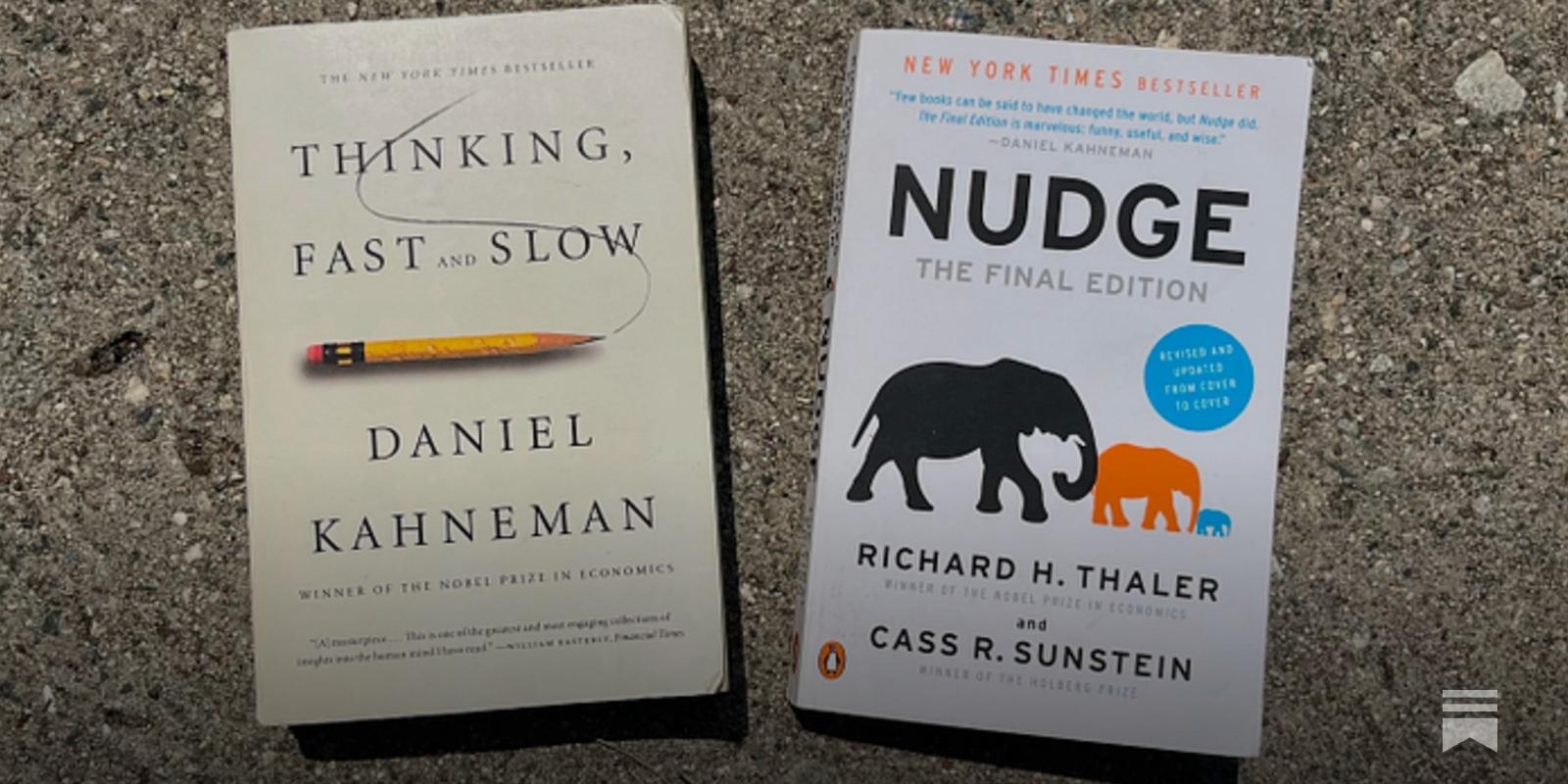
You couldn't create a more anti-news internet if you tried
What behavioral economics can add to the story of news decline.
Investing in what moves the internet forward | The Mozilla Blog
Firefox is the only major browser not backed by a billionaire and our independence shapes everything we build. This independence allows us to prioritize bu
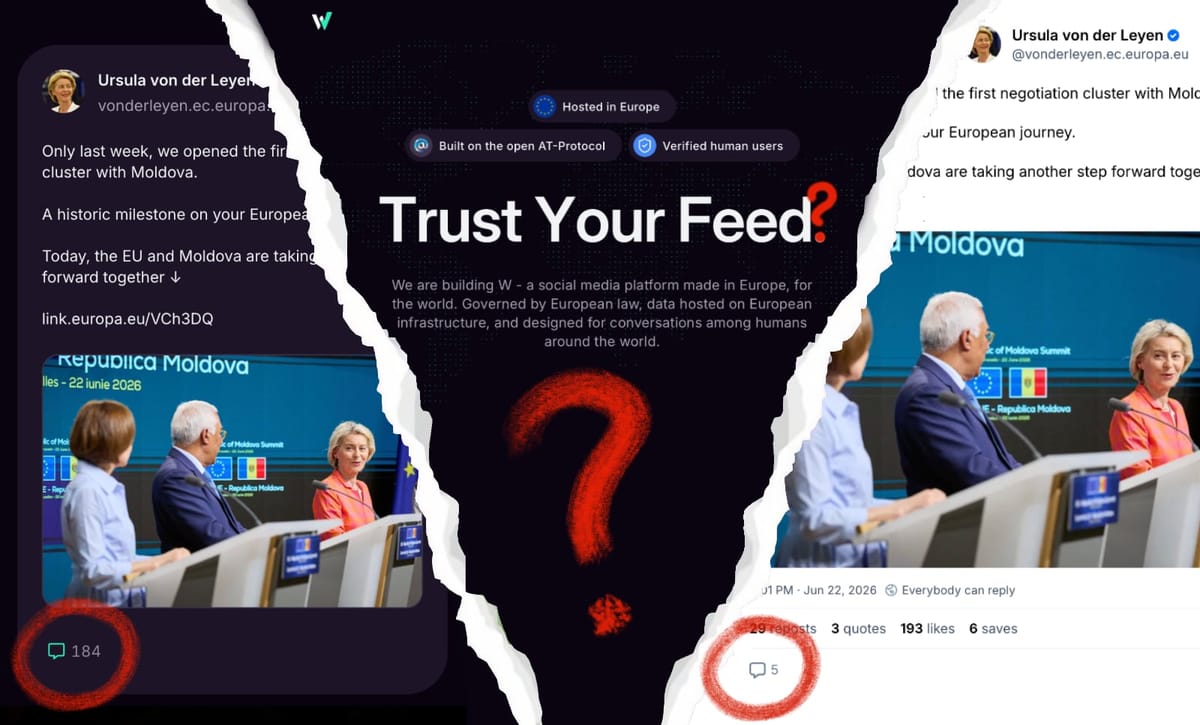
W Social, Fictional Metrics and the Beauty of Open Data
W Social's tagline is "Trust Your Feed" but the company's landing page displays inflated engagement metrics - a misrepresentation that contradicts its own promise.
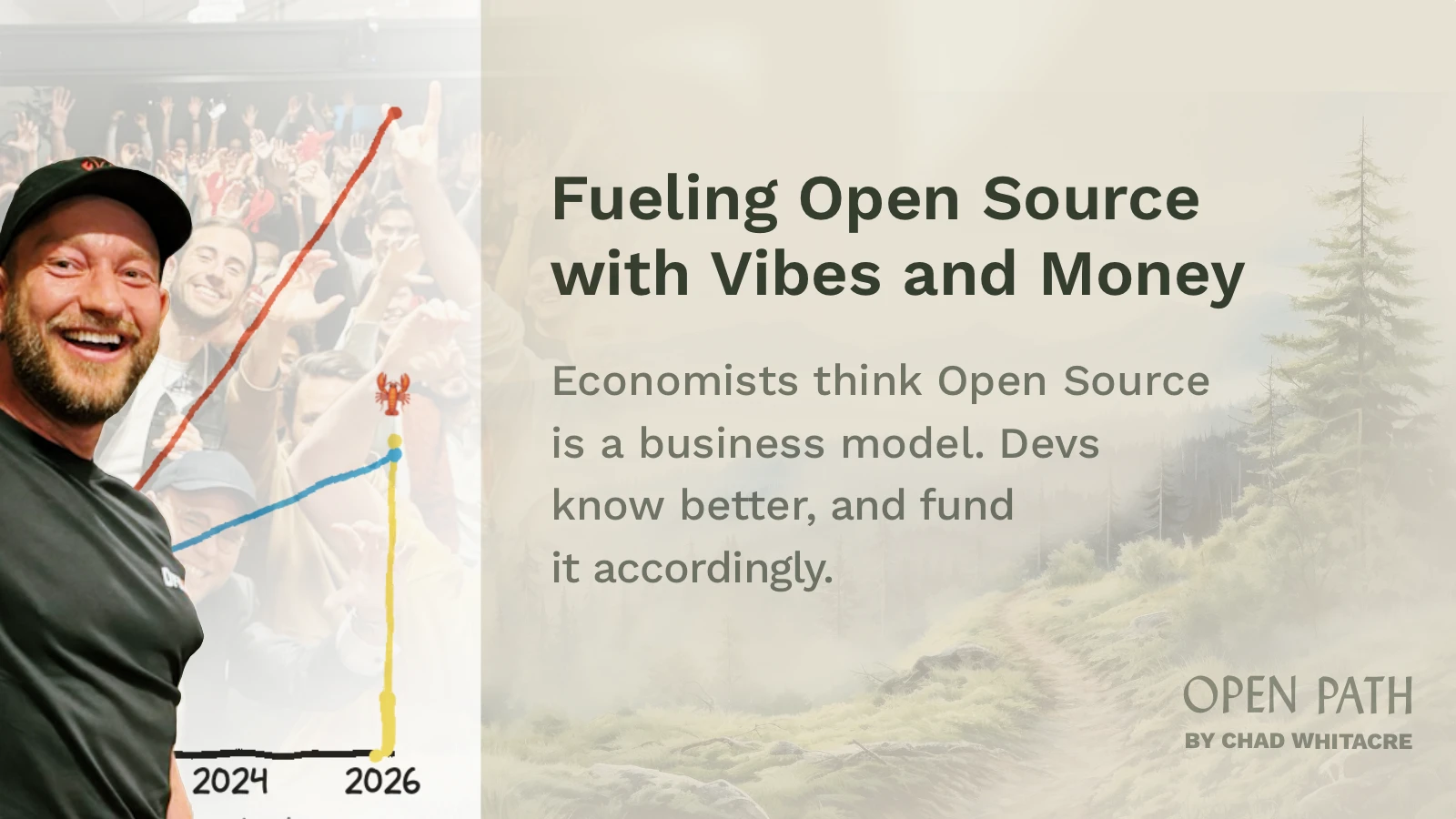
Fueling Open Source with Vibes & Money
Economists think Open Source is a business model. Devs know better, and fund it accordingly.
We don’t have a hundred biases, we have the wrong model
Behavioral economics has identified dozens of cognitive biases that stop us from acting 'rationally'. But instead of building up a messier and messier picture of human behavior, we need a new model.

Redesigning Mozilla’s Contribute Page: A UX Overview
The previous Contribute page on Mozilla.org received around 100,000 views a month and had a 70% bounce rate.
Mobile Open Source: My Honest Dual Licensing
Excellent post, Fabrizio. Thanks for "just being honest" about dual licensing. I agree with you whole-heartedly.As for Alfresco, our old model was working fine. In some ways, perhaps better. But it never felt right for us. (Some of this was my innate insecurity born of competing with Red Hat's open source message while at mixed-source Novell. I lost there, and didn't like the way we lost. I hated the message I had to say there.) So we went 100% MPL, and the results have been excellent - sales are up, downloads are up, and (most importantly) happiness is up. We really like the change, and everyone in the company and our community is happier.Is it an infallible model? No. But I agree with you - the better we segment our customers, the better our sales/etc. will be.Matt
👊💰 We need a revolution in social media business models
Deepti Doshi on the business incentives underlying social media
AI's Economics Don't Make Sense
If you liked this piece, please subscribe to my premium newsletter. It’s $70 a year, or $7 a month, and in return you get a weekly newsletter that’s usually anywhere from 5,000 to 18,000 words, including vast, detailed analyses of NVIDIA, Anthropic and OpenAI’s finances,

Why Influencers Suddenly Love Facebook. (No Joke.) “It’s My Biggest Source of Income”
A quiet overhaul of the 21-year-old platform’s monetization formula is winning over a new class of content makers.

Has Substack’s subscription model really “maxed out?”
Scott Carney and Taylor Lorenz posted on Substack about downward subscriber trends they’re seeing. Carney pins it on subscription fatigue and feeling like “The only way to grow is to pillage the paid subscribers from other creators.” Lorenz questions Substack’s direction, saying “more and more like this app is becoming another social media feed.” When we recently wrote about writers who are leaving Substack, they mentioned control, pricing, and the social feature creep among their reasons for choosing competitors like Ghost and Behiiv. [Link: Writers are fleeing the Substack Tax | https://www.theverge.com/tech/927294/substack-tax-ghost-beehiiv | The Verge]

Opinion | Why Is Behavioral Economics So Popular? (Published 2018)
The recent vogue for this academic field is in part a triumph of marketing.

An attention economic perspective on the future of the information age
In this paper, we apply an attention economic perspective to explain current and predict future trends in our society. We first describe the rise of the attention economy, and we highlight one important mechanism of this economy: a spiral of attention scarcity. Second, we show that an attention economic perspective provides glimpses of a potential future. In particular, we predict an information environment that increasingly targets citizens with attention-grabbing content, form, and technology; a continuing trend toward excessive media consumption levels; and a continuing trend toward inattentive uses of information. We also predict increasing problems of public misinformation and misconceptions; an increased prevalence of certain mental and physical health issues; and an increased reliance on technology to perform mental tasks. At the end of this paper, we show why and how despite these predictions, alternative futures are conceivable. These alternatives largely depend on the behavior of various social actors. We discuss resistance to the attention economy by consumers and producers, a laissez-faire policy toward the attention economy, a policy of taxing attention-seeking efforts, and the promotion of public values in regulatory policies toward the internet.
The internet has evolved to foster a fatal expectation: that the things we depend on every day are free. They aren't, but we're allowed to pretend they are with the help of ad-driven business models. The real cost is substantial, and can be measured in time, money, relationships, health, and more.

Fund Your Internet
fundyourinternet.org
