

How Our Company Learned to Make Better Predictions About Everything
We all make bets about the future, whether we call them that or not. We select a career based on perceptions about its prospects; we take on projects based on what we think we can accomplish; we hire employees based on how we predict they will perform. We don’t have an option not to make predictions in our work lives, but we do have an option to try and make better ones. At Twitch, employees have worked to create a culture of forecasting based on the research of Philip Tetlock. Although employees were skeptical at first, most have come to embrace the practice of making frequent numerical forecasts.

Why Almost Everyone Loses—Except a Few Sharks—on Prediction Markets
A WSJ analysis shows a small number of accounts on Polymarket and Kalshi—often pros using data-driven algorithmic trading—take home most of the winnings.

We are all going to regret Kalshi and Polymarket.
Gambling should be like cigarettes: Legal but inaccessible.

other futures: tech, resistance & imagining otherwise
big tech wants to control our future, but there are other paths we can choose instead. on "other futures" we bring together leading tech researchers, organizers, critics, and storytellers to help us imagine what more liberatory and human-centered tech futures could look like—and how we can build them together. brought to you by DAIR and the All Tomorrows Institute.

The Danger of Keeping Score | On the Media | WNYC Studios
Last Friday, the Washington state Attorney General sued Kalshi, the prediction market platform where users can place bets on real world events, such as the number of deportations this...
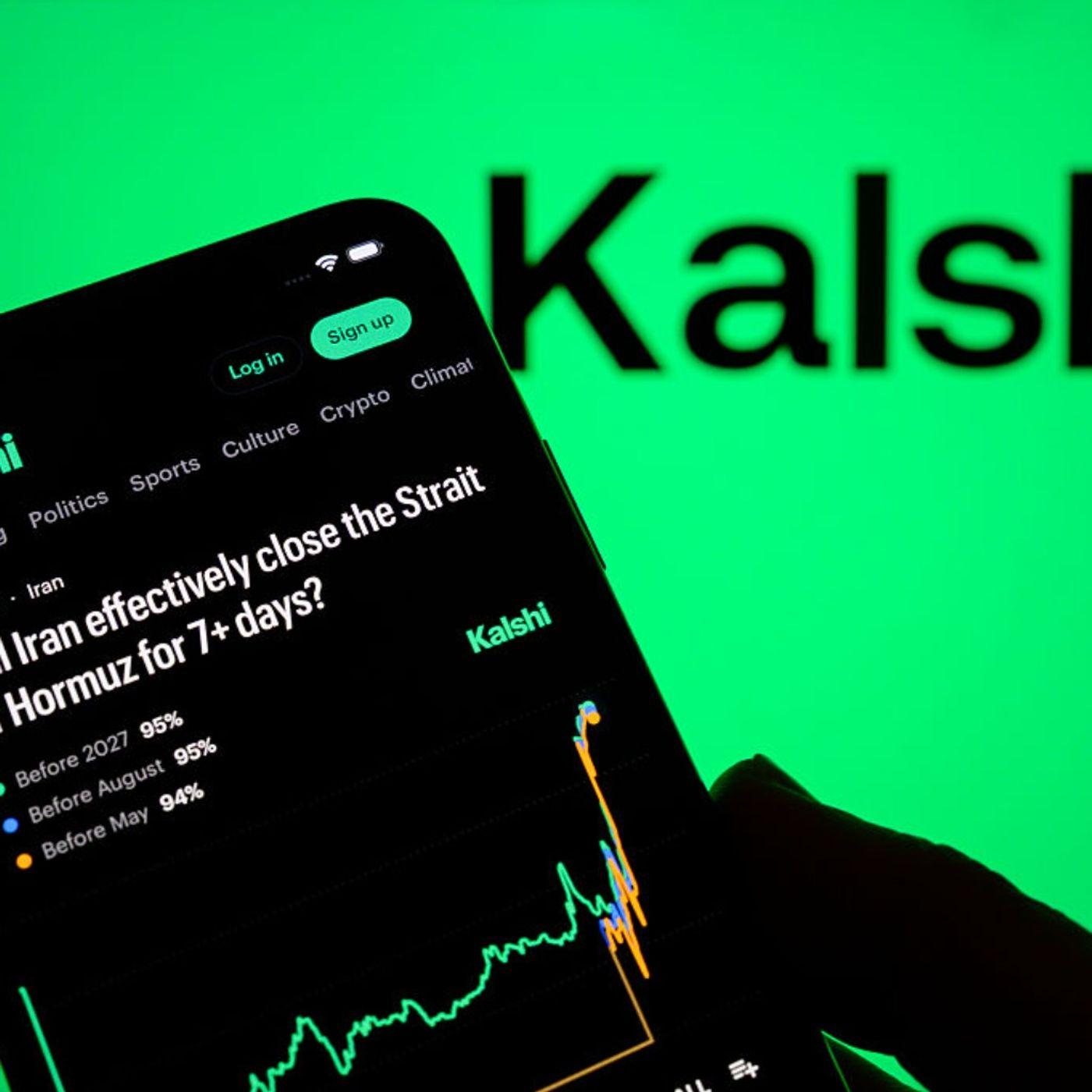
Perpetual futures, explained
Capital efficiency for pros, leverage for bettors, rich yields for market makers, and a dangerous failure mode.

Quotes
I have a theory, which has not let me down so far, that there is an inverse relationship between imagination and money. Because the more money and technology that is available to [create] a work, the less imagination there will be in it.
Quotes
I have a theory, which has not let me down so far, that there is an inverse relationship between imagination and money. Because the more money and technology that is available to [create] a work, the less imagination there will be in it.
Being rational all the time isn’t going to do you any favors
When Daniel Kahneman and Amos Tversky published their paper on Prospect Theory in 1979, few people could have imagined the long-term implications.

A Star Investor's Tale of Risk, Ruin & Reinvention w/ Victor Haghani (RWH071)
Why We Fear AI: On the Interpretation of Nightmares — Common Notions Press
Industry insiders Hagen Blix and Ingeborg Glimmer dive into the dark, twisted world of AI to demystify the many nightmares we have about it. They combine expertise in cognitive science and machine learning with political and economic analyses to cut through the hype and technobabble to show how fear

THE CALIFORNIAN IDEOLOGY by Richard Barbrook and Andy Cameron | Imaginary Futures
“Not to lie about the future is impossible and one can lie about it at will” – Naum Gabo [1]
Who Funds the Future?
The venture capitalist Marc Andreessen plans “what will happen in the next ten, twenty, thirty years,” as if he were glancing at his Google calendar.
AI Predictions, Big and Small

A compilation of ideas and writing where there is some prediction of the future so that we can look back one day and compare.

Mustafa Suleyman: My new Turing test would see if AI can make $1 million
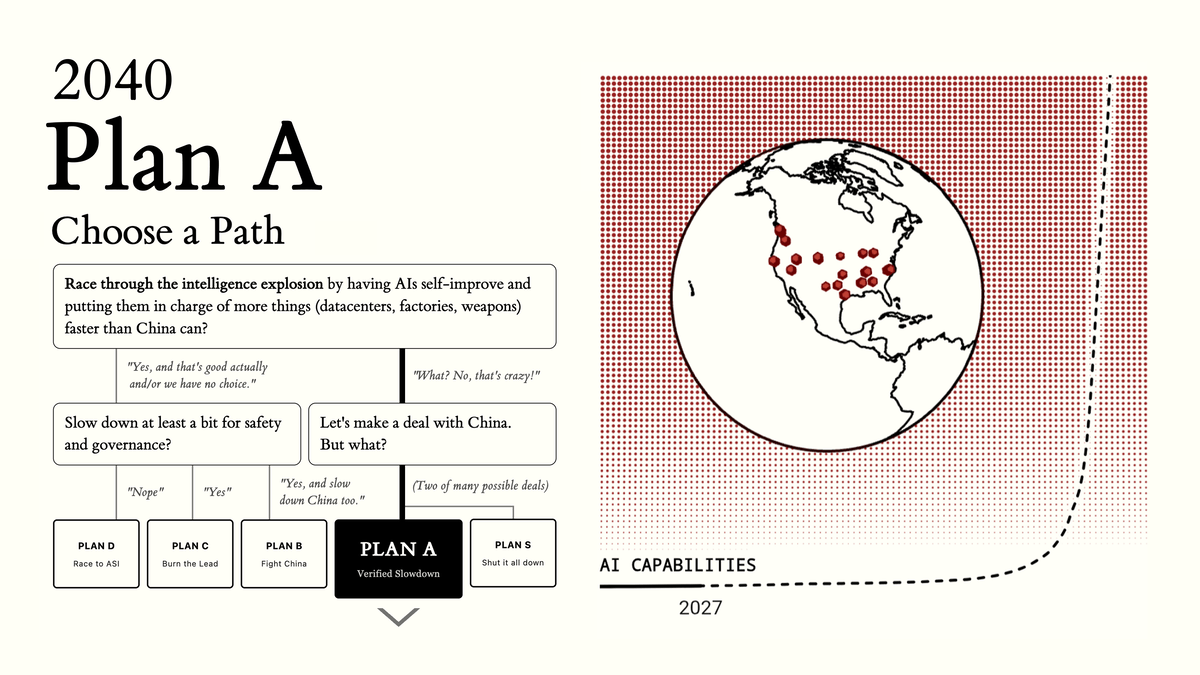
AI 2040: Plan A
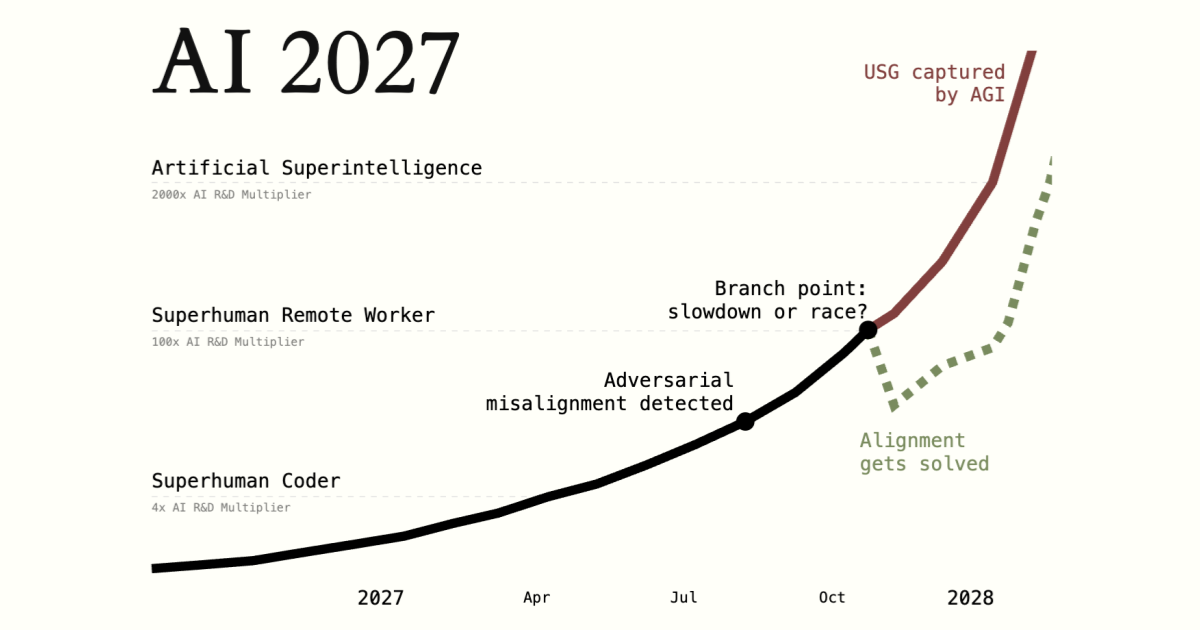
AI 2027
Dean W. Ball on Twitter / X
Dean W. Ball on Twitter / X

OpenAI drops a bomb on maths

