

I work at Google DeepMind. This won't make me popular. But it's all public reporting: 2014: DeepMind reportedly sold to Google on conditions: no military use, independent oversight 2026: a Pentagon contract for "any lawful government purpose" Not one safeguard survived intact
Jul 14, 2026 at 12:37 PM
Why I Left Google DeepMind
I fought against Google’s Pentagon AI deal from the inside. Powerful people and institutions failed to keep their AI ethics promises under pressure.
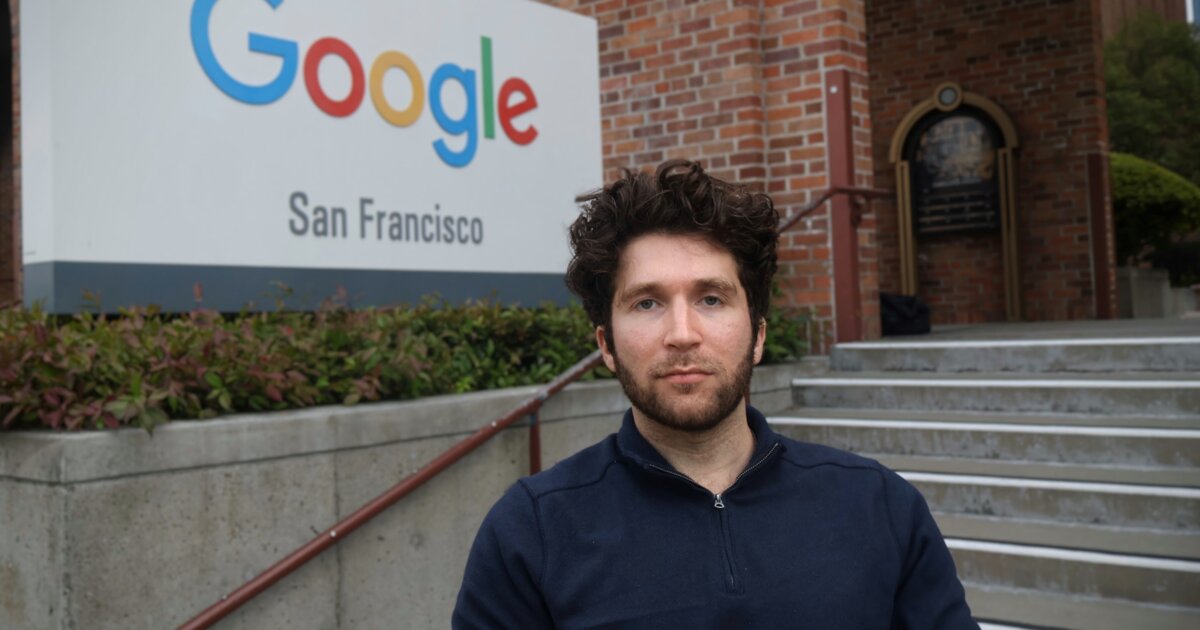
News Factory: Musk’s fixation on Google AI chief Demis Hassabis highlighted in trial testimony
During the high‑profile lawsuit between Elon Musk and OpenAI co‑founder Sam Altman, testimony revealed that Musk repeatedly mentioned Google DeepMind founder Demis Hassabis. Court transcripts show Musk called Hassabis "evil," worried about Google’s lead in artificial intelligence, and exchanged a series of urgent emails warning that OpenAI could not keep pace. Witnesses, including OpenAI president Greg Brockman, confirmed Musk’s obsession with the British scientist, describing it as a driving force behind strategic discussions at Tesla and beyond.
Elon Musk’s vicious AI rivalry with Nobel winner revealed in court
Emails released as part of a lawsuit show the feud between Musk and Sir Demis Hassabis, the chief executive of Google DeepMind

Searching For Google CEO Sundar Pichai, The Most Powerful Tech Giant You’ve Never Heard Of
You may not know him by name just yet, but he’s one of the most powerful people alive. Google’s new CEO Sundar Pichai wants to bring the internet to the rest of the world, all while winning back your trust.

The Technical Feasibility of Divesting Google Chrome – Knight-Georgetown Institute
As the European Commission advances efforts under the Digital Markets Act to require Google to share its search data with competitors, lessons from historic antitrust remedies underscore how data access could be transformational in the AI-powered search market. While the Commission’s proposals represent a novel and comprehensive approach, key improvements to data scope and sharing frequency, privacy protections, and dispute resolution are needed. US courts and enforcers charged with implementing similar provisions should take note.

Revealed: Google facilitated Russia and China’s censorship requests
An investigation has exposed the tech firm’s cooperation with autocratic regimes to remove unfavourable content

Investor money vs. public interest: did Google fail to build a non-evil platform?
Don’t be evil. That was Google’s official motto, until recently.

Google DeepMind CEO Demis Hassabis: The Path To AGI, Deceptive AIs, Building a Virtual Cell
Google and Amazon: Acknowledged Risks, and Ignored Responsibilities
In late 2024, we urged Google and Amazon to honor their human rights commitments. Since then, a stream of additional reporting has reinforced that our concerns were well-founded. Yet despite mounting

Google DeepMind and partners announce multi-agent safety research funding call.
Google DeepMind and partners are announcing a new technical research funding call of up to $10M for researchers worldwide to strengthen multi-agent safety.

Google at the 79th United Nations General Assembly
Updates from Google at the 79th United Nations General Assembly include new partnerships, investments in infrastructure, digital skills training, and more.

Google shakes up AI leadership as DeepMind chief shifts role
Google parent company Alphabet on Wednesday announced a leadership overhaul of its AI division, with AI chief Demis Hassabis leaving his main managerial role and several leaders of its Gemini model,...

The Case Against Google (Published 2018)
Critics say the search giant is squelching competition before it begins. Should the government step in?

Google Cuts Its Giant Electricity Bill With DeepMind-Powered AI
Google just paid for part of its acquisition of DeepMind in a surprising way.
How Google and AI Nearly Made a Seasoned Reporter Spiral — ProPublica
I thought I had missed something major in my reporting. Turns out I had stumbled into an AI-fueled feedback loop that involved a real LLC’s fictional website and a search engine that’s thrusting unreliable answers on users.

EFF to State AGs: Investigate Google's Broken Promise to Users
Google's Failure to Warn Users About Law Enforcement Demands for Data Is Deceptive

