

Let’s Talk About Amazon Reviews: How We Spot the Fakes
Lauren Dragan takes a look at the world of compensated reviews and astroturfing, and explains how we tell the real Amazon reviews from the fakes.

Fuji TV, Sankei Shimbun announce fabricated data found in their polls
TOKYO -- Fuji Television Network Inc. and the Sankei Shimbun Co. on June 19 announced the discovery that some data in 14 joint opinion polls they cond

Open Dataset | Yelp Data Licensing
The Yelp Open Dataset is a subset of Yelp data intended for educational use. It provides real-world business data, like reviews, photos, check-ins, and attributes.
Permissioned Data Diary 4: The Big Picture - Daniel's Leaflets
A special edition of the data diary that sketches out the rough shape of where we're heading.
Dark Web Informer on Twitter / X
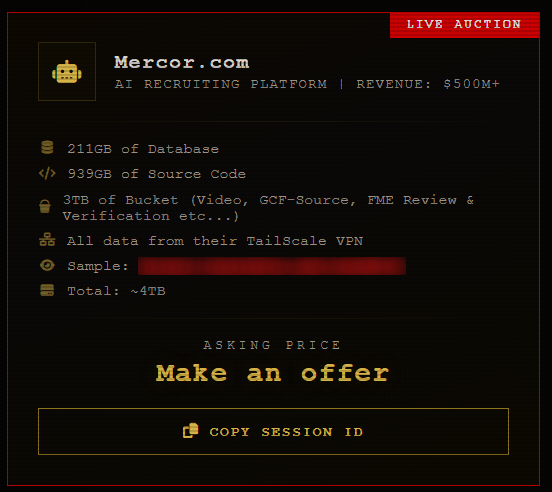
‼️🇺🇸 LAPSUS$ Group is allegedly selling a massive dataset of https://t.co/Q6UlD72i8v, an AI recruiting platform with $500M+ revenue, is being auctioned on a popular cybercrime forum, TG, and their website.▪️Total Size: ~4TB▪️Data Includes: 211GB of database▪️939GB of source… pic.twitter.com/hEvp244uNO— Dark Web Informer (@DarkWebInformer) March 30, 2026
Facebook-Cambridge Analytica: A timeline of the data hijacking scandal
Facebook is desperately trying to mend its damaged reputation following the continued fallout of a massive data scandal.
Facebook Data Privacy Scandal: A Cheat Sheet - TechRepublic
Read about the saga of Facebook's failures in ensuring privacy for user data, including how it relates to Cambridge Analytica, the GDPR, the Brexit campaign, and the 2016 US presidential election.
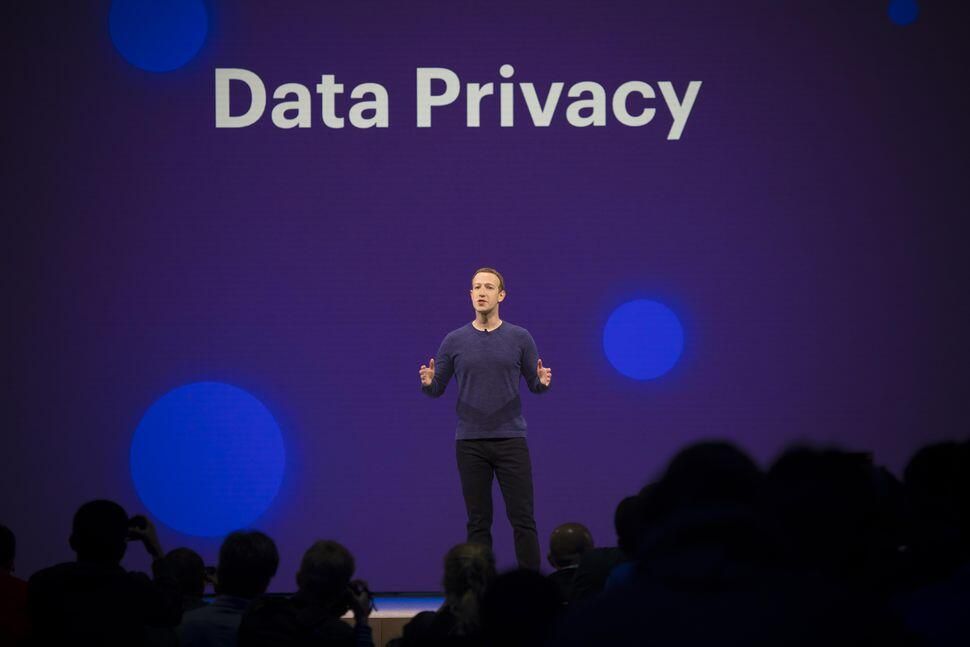
Facebook–Cambridge Analytica data scandal
The data was collected through an app called "This Is Your Digital Life", developed by data scientist Aleksandr Kogan and his company Global Science Research in 2013.[2] The app consisted of a series of questions to build psychological profiles on users, and collected the personal data of the users' Facebook friends via Facebook's Open Graph platform.[2] The app harvested the data of up to 87 million Facebook profiles.[2] Cambridge Analytica used the data to analytically assist the 2016 presidential campaigns of Ted Cruz and Donald Trump.[3][4] Cambridge Analytica was also widely accused of interfering with the Brexit referendum, although the official investigation recognised that the company was not involved "beyond some initial enquiries" and that "no significant breaches" took place.[5][6]
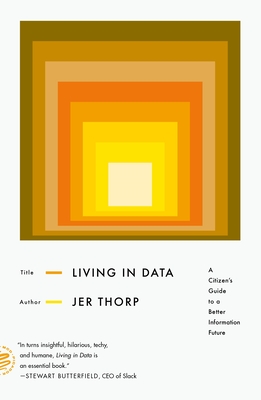
Living in Data: A Citizen's Guide to a Better Information Future (Paperback)
Jer Thorp’s analysis of the word “data” in 10,325 New York Times stories written between 1984 and 2018 shows a distinct trend: among the words most closely associated with “data,” we find not only its classic companions “information” and “digital,” but also a variety of new neighbors—from “scandal” and “misinformation” to “ethics,” “friends,” and “play.”To live in data in the twenty-first century
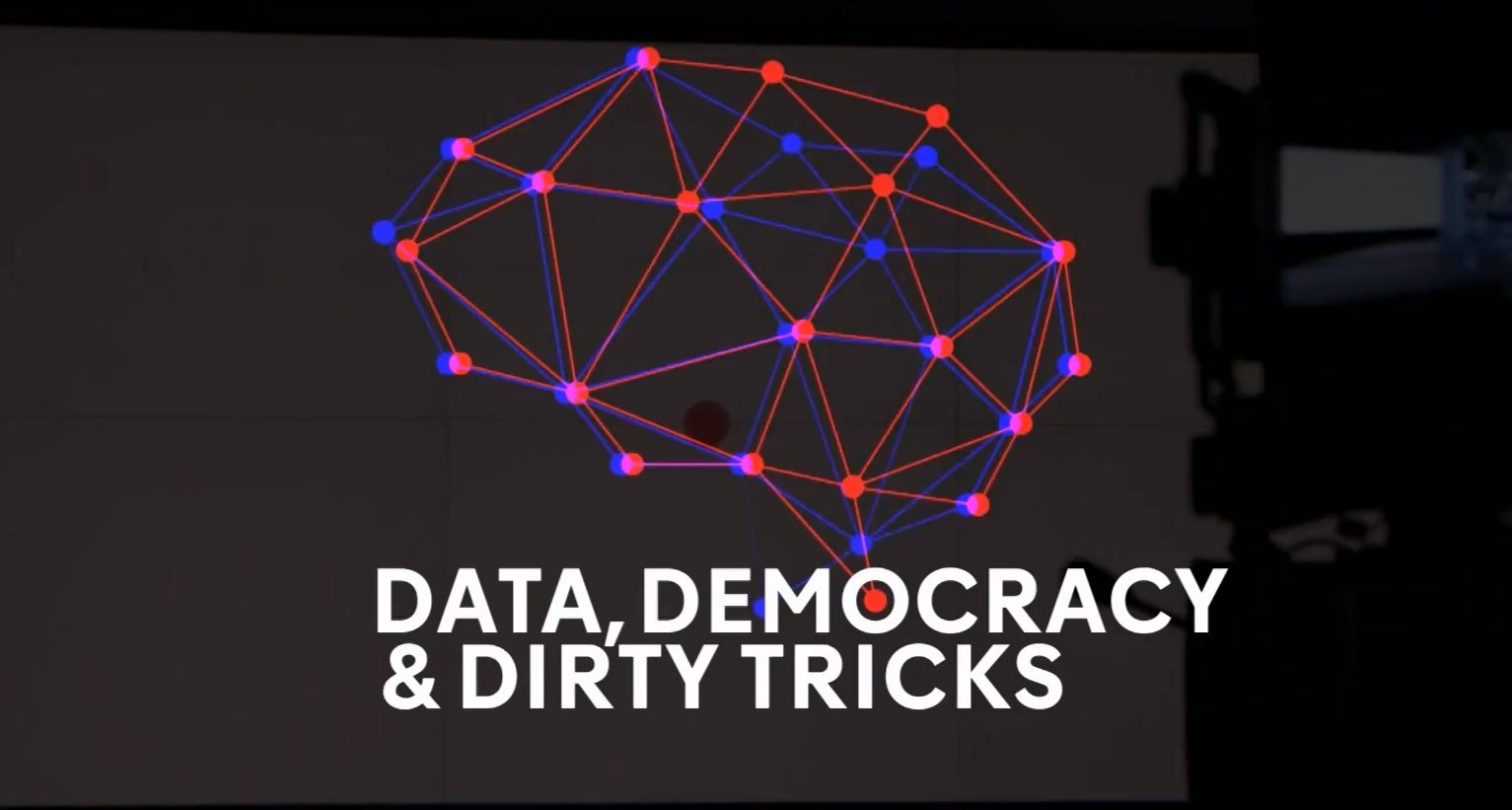
Data, Democracy and Dirty Tricks
Watch all of Channel 4 News' investigations into both Cambridge Analytica - the British data firm linked to Trump's win - and the Brexit campaign.
A large-scale audit of dataset licensing and attribution in AI
The race to train language models on vast, diverse and inconsistently documented datasets raises pressing legal and ethical concerns. To improve data transparency and understanding, we convene a multi-disciplinary effort between legal and machine learning experts to systematically audit and trace more than 1,800 text datasets. We develop tools and standards to trace the lineage of these datasets, including their source, creators, licences and subsequent use. Our landscape analysis highlights sharp divides in the composition and focus of data licenced for commercial use. Important categories including low-resource languages, creative tasks and new synthetic data all tend to be restrictively licenced. We observe frequent miscategorization of licences on popular dataset hosting sites, with licence omission rates of more than 70% and error rates of more than 50%. This highlights a crisis in misattribution and informed use of popular datasets driving many recent breakthroughs. Our analysis of data sources also explains the application of copyright law and fair use to finetuning data. As a contribution to continuing improvements in dataset transparency and responsible use, we release our audit, with an interactive user interface, the Data Provenance Explorer, to enable practitioners to trace and filter on data provenance for the most popular finetuning data collections: www.dataprovenance.org.

🚨Free data alert!! 🚨 Please share. Large new dataset of Amazon product reviews, including full text and photos and product characteristics, with individual *reviews labeled as fake reviews*. I believe this is the first publicly available data of this kind. github.com/bretthollenbeck/fake-reviews-…
Jul 11, 2025 at 9:18 PM
PREreview joins #LoveData26 celebration with a strong commitment to encouraging open peer review of diverse research outputs, including datasets. 📊 Try out our modular review workflow for datasets here: prereview.org/review-a-dataset Learn more: bit.ly/dataset-workflow @lovedataweek.bsky.social
tfw @aaronstevenwhite.io brings an analysis as sharp as a knife to your half-baked Saturday-morning thoughts: aaronstevenwhite.leaflet.pub/3miwsz2hdv22i 🤯 If we're going to own our data, let's actually own our data. Which is to say: No, really, y'all, we're doing this. 💖🧠

Machine-readable attitudes - Computational Semantics++
aaronstevenwhite.leaflet.pub


