

was it loaded via http+dns+ssl? then it's server-first. (which is not bad. but it's not the local-first i want.)

Jake Lazaroff
this looks very cool, i mean that genuinely, but tbh i bristle a bit seeing "local-first" used as a straw man here. of course if your server is the source of truth you can eliminate a lot of local-first complexity — the entire point of that complexity is to avoid a server-authoritative architecture!
Nov 18, 2025 at 5:20 AM
Requirements for HTTPS for Local Domains
When connecting to servers on their local network, users are surprised to encounter user interfaces that display errors, show insecure connections, and block some HTTP features when missing a secure context. However, obtaining PKIX certificates for those servers is difficult for a variety of reasons. This document explores requirements for authenticating local servers.
Zero is Not Local-First. It's Better.
Zero's partial sync approach gives us more control, better performance, and fewer headaches when building apps with lots of data. Here's why, and how I've been using it.
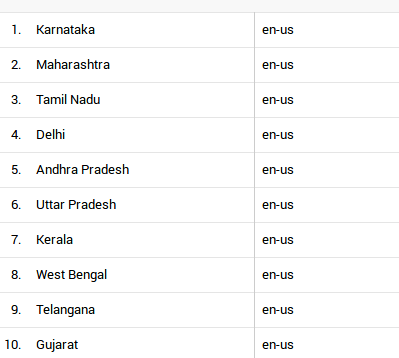
Stop Guessing Languages Based on IP Address
There’s better ways to do this already built into HTTP.
The Core Tech Behind Datum's Desktop App
We built an app to expose your localhost to a public HTTPS URL, here's how it's built and what we learned along the way.

LocalFirst: You Keep Using That Word
If you’ve been following the local-first scene over the past few years, you already know a good definition for the term “local-first” is hard to pin down. Part of the reason is that most people write software for money … and true local-first software is harder to capitalize. “Local-first” is a direct attack on vendor lock-in of all forms: data, formats, protocols, apps, services, and even environments. But the fact your employer can’t exploit this technology with a new revenue model (yet) is a minor problem.
Local-First Software: Taking Back Control of Our Data | a mini-doc

Local-first software: you own your data, in spite of the cloud
Local-first software: you own your data, in spite of the cloud Kleppmann et al., Onward! ’19 Watch out! If you start reading this paper you could be lost for hours following all the interesti…
Certificates for localhost
Sometimes people want to get a certificate for the hostname “localhost”, either for use in local development, or for distribution with a native application that needs to communicate with a web application. Let’s Encrypt can’t provide certificates for “localhost” because nobody uniquely owns it, and it’s not rooted in a top level domain like “.com” or “.net”. It’s possible to set up your own domain name that happens to resolve to 127.0.0.1, and get a certificate for it using the DNS challenge. However, this is generally a bad idea and there are better options.
savearoundtrip
Publish an HTTPS DNS record. Let browsers reach HTTP/3 on the first connection instead of wasting a round trip.
The Architecture Of Local-First Web Development — Smashing Magazine
An honest perspective on building local-first web apps in 2026, written for developers who’ve been doing this long enough to be skeptical of silver bullets.

LocalPDS - Chrome Web Store
LocalPDS is a Personal Data Server that runs in your browser

Peter Van Hardenberg - Local First: the secret master plan
mess with dns
It's fun to learn by experimenting and breaking things! Here you can do weird DNS experiments with no consequences if you mess something up.


