

A decade ago, I did make a reading list to help scientists get started! 🧪 medium.com/@chanda/decolonising-science-…

Decolonising Science Reading List
medium.com
Aparna Nair
Sadly, the most frequently seen/read popular histories of science are created by scientists, who with the utmost respect, often do not know the subject (exceptions exist, of course, but its almost a general rule ime). History is more complex, dark, and not as linear, either, than often presented.
Mar 24, 2026 at 7:46 PM
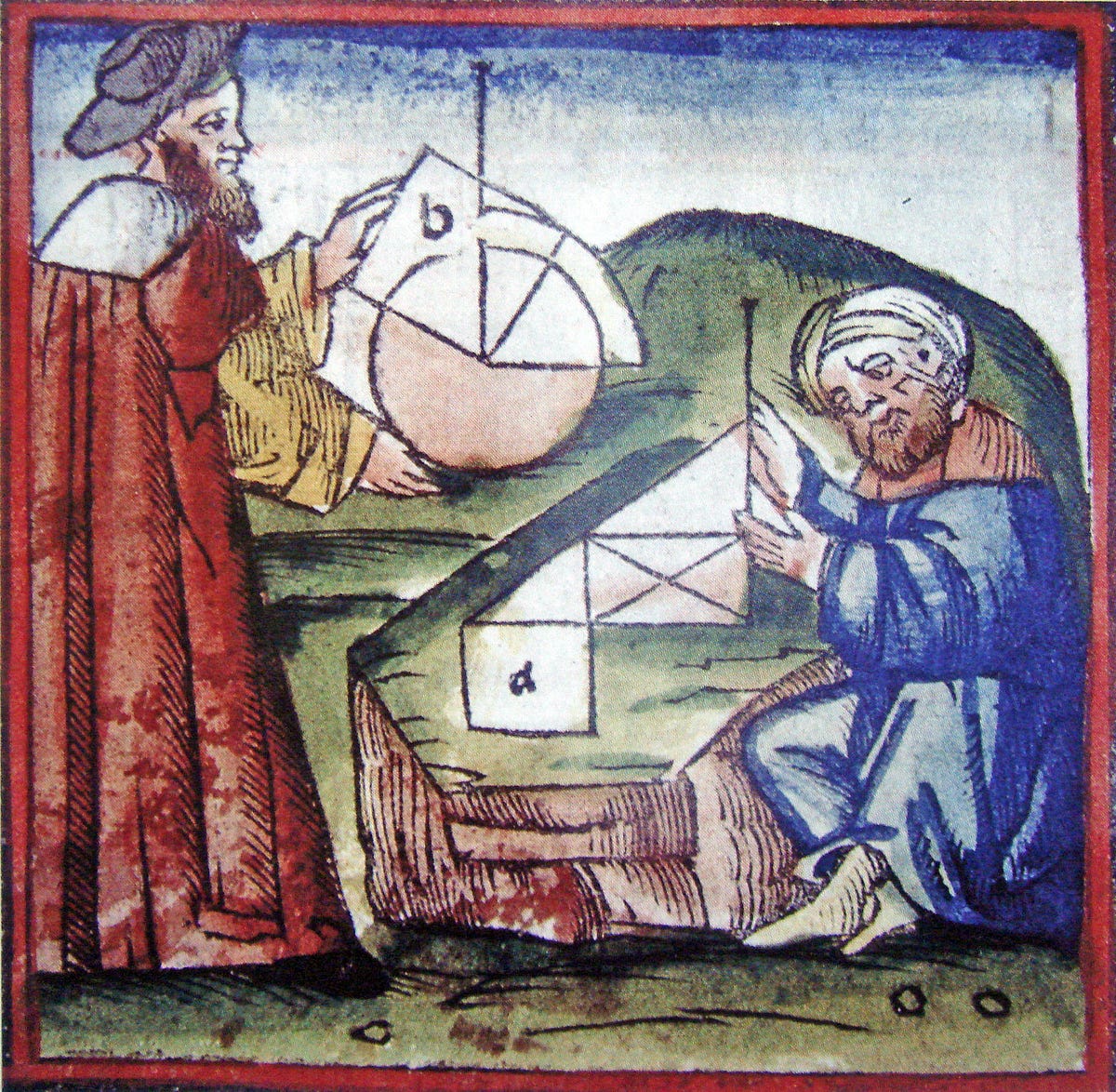
Decolonising Science Reading List
In the last couple of weeks, a lot of people have been asking me about what I’ve been reading as reference points for my commentary on the…
Letting things build
This week I put together a reading list for my digital aura series. I recall starting to write around Thanksgiving — but when I looked back at my reading, I’d started reading for it months earlier. (No wonder it’s felt like such a big endeavor!)
What happened to Science Goodreads and how do we rebuild it? A 65 million dollar question (at least) - Cosmik Labs
The story of the rise and fall of Mendeley
What happened to Science Goodreads and how do we rebuild it? A 65 million dollar question (at least) - CAIROS Blog
The story of the rise and fall of Mendeley
What stories should we tell about scientific progress now?
In search of the mysterious fruits of basic science

📄 For You by @spacecowboy17.bsky.social
Same as For You, but only posts linking to scientific papers. https://foryou.club

Getting my books onto BookHive | Danny Smith
How I moved my reading history off Goodreads and onto my own AT Protocol data with BookHive, and had Claude Code clean up 389 books along the way.

The Journal of Scientific Integrity
by Laura Luebbert and Lior Pachter Background (by LL) Four years ago, during the first year of my PhD at Caltech, I participated in a journal club organized by the lab I was rotating in. I was assi…

BookHive | sci-fi spec fic book club ideas
sci-fi spec fic book club ideas — a book shelf by @awarm.space on BookHive
Reading List: AI and the Future of Human Autonomy
Open-source reading list from a discussion group hosted by the Liberty Fund
Guest post: If you’re going to critique science, be scientific about it
Loren K. Mell Editor’s note: This post responds to a Feb. 13 article in The Atlantic, “The Scientific Literature Can’t Save Us Now,” written by Retraction Watch cofounders Adam Marcus and Ivan Oran…

Finally had some time (to attempt) to catch up on reading the articles published on Offprint. Wanted to share a few that were fun reads First article is by @bunniesin.space. They’re exploring the world of atproto and reading their thoughts and confusion on @mu.social’s lex extension was a good read

Some thoughts on extending lexicons
amybunny.offprint.app"One of the important skills of the professional scientists... is to know what to read and what not to read. This is narrow community knowledge built up through extended face-to-face socialisation in expert groups."

Large language models eroding science understanding: an empirical study of ‘malignment’ - AI and Ethics
link.springer.com📚 MIRA Book Club

mira.science community reading recommendations
2025 Reading List

The Ground Truth Institute
How Infrastructure Works: Transforming our shared systems for a changing world
Range: Why Generalists Triumph in a Specialized World by David Epstein
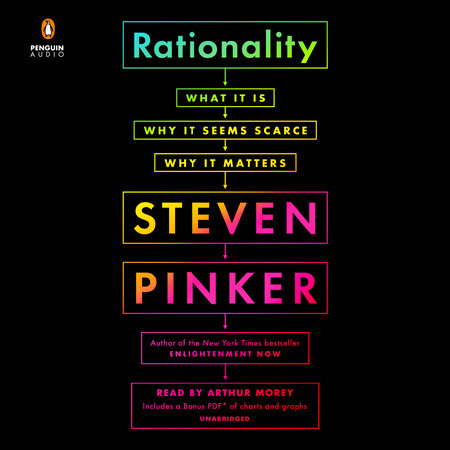
Rationality: What It Is, Why It Seems Scarce, Why It Matters by Steven Pinker
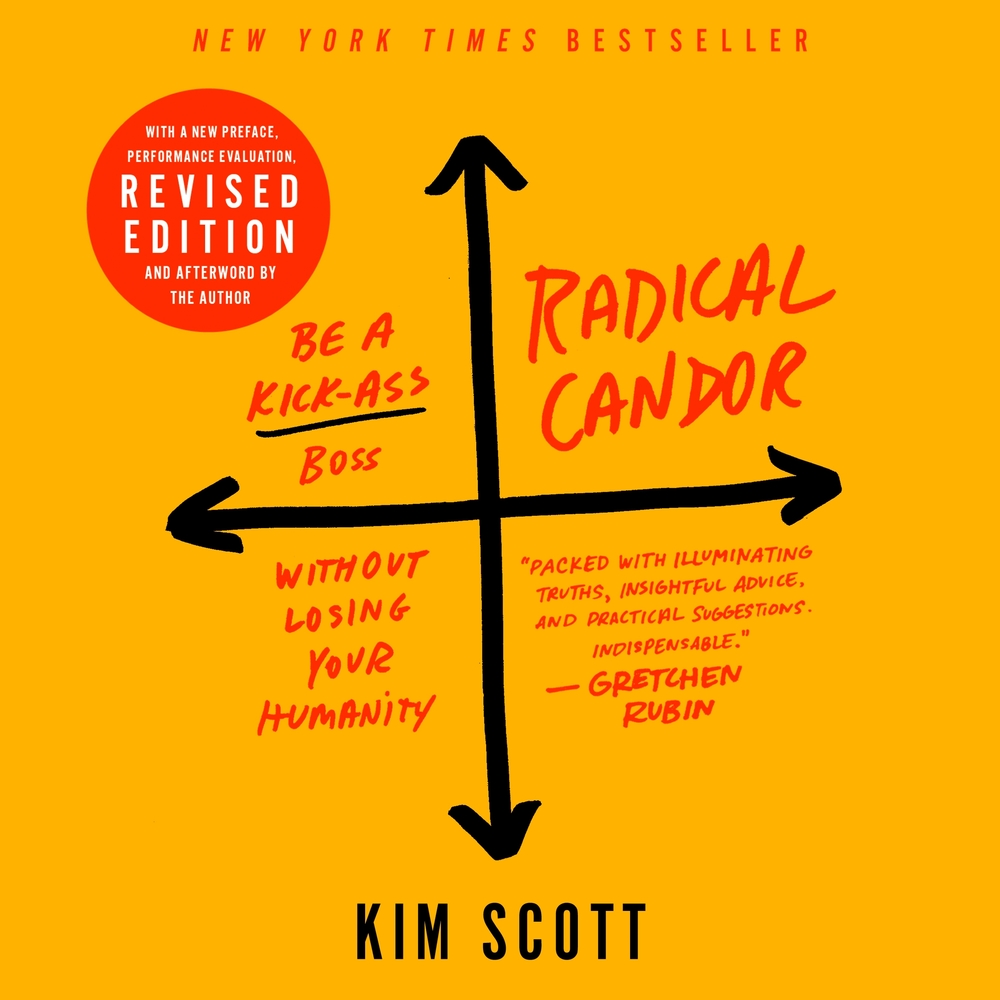
Radical Candor: Be a Kickass Boss Without Losing Your Humanity by Kim Malone Scott
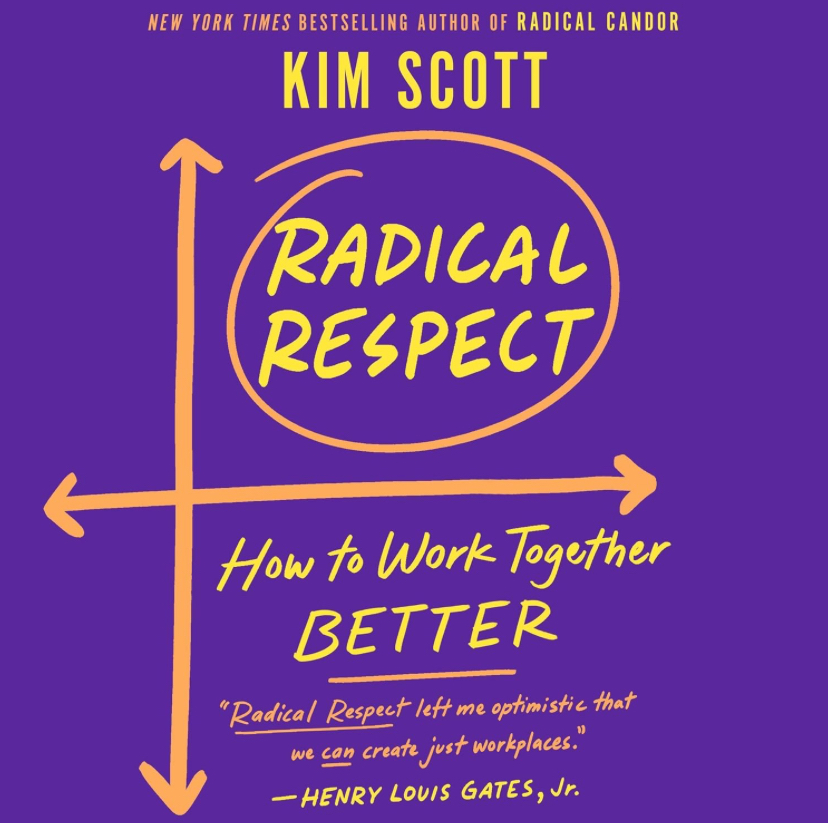
Radical Respect: How to Work Together Better by Kim Scott
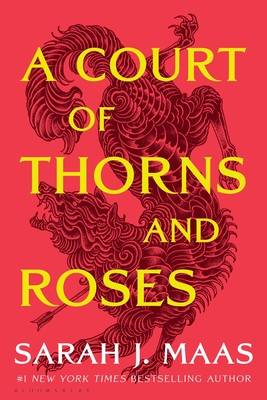
A Court of Thorns and Roses by Sarah J. Maas

The Algebra of Wealth: A Simple Formula for Financial Security by Scott Galloway


