

I've been quietly building kindling.wtf — a regenerative feed layer that removes cruelty without removing controversy. The idea: your feed shouldn't be full of spite masquerading as reasonable commentary, but it also shouldn't sanitize away legitimate anger at injustice. More below ⬇️(1/4) #atproto
Dec 30, 2025 at 2:20 AM
There is no ethical consumption of HBO’s Harry Potter series
You can’t without supporting Rowling’s transphobic bigotry.

There is no ethical consumption of HBO’s Harry Potter series
You can’t without supporting Rowling’s transphobic bigotry.
The Feed is the Product: Why We Stay in Walled Gardens, and Why We Might Finally Leave for the Open Social Web - Zsolt's pckt blog
We have known this for years. We have known that the major platforms are bad for our attention, our sleep, our politics, our children, and our sense of reality....
Meta and TikTok let harmful content rise after evidence outrage drove engagement - whistleblowers
Companies allowed more harmful content on user’s feeds, knowing their algorithms ran on outrage, BBC hears.
Q&A: Robin Berjon on freeing journalists' feeds.
The AT protocol and “long-term, lifelong, sustainable protection against enshittification.”
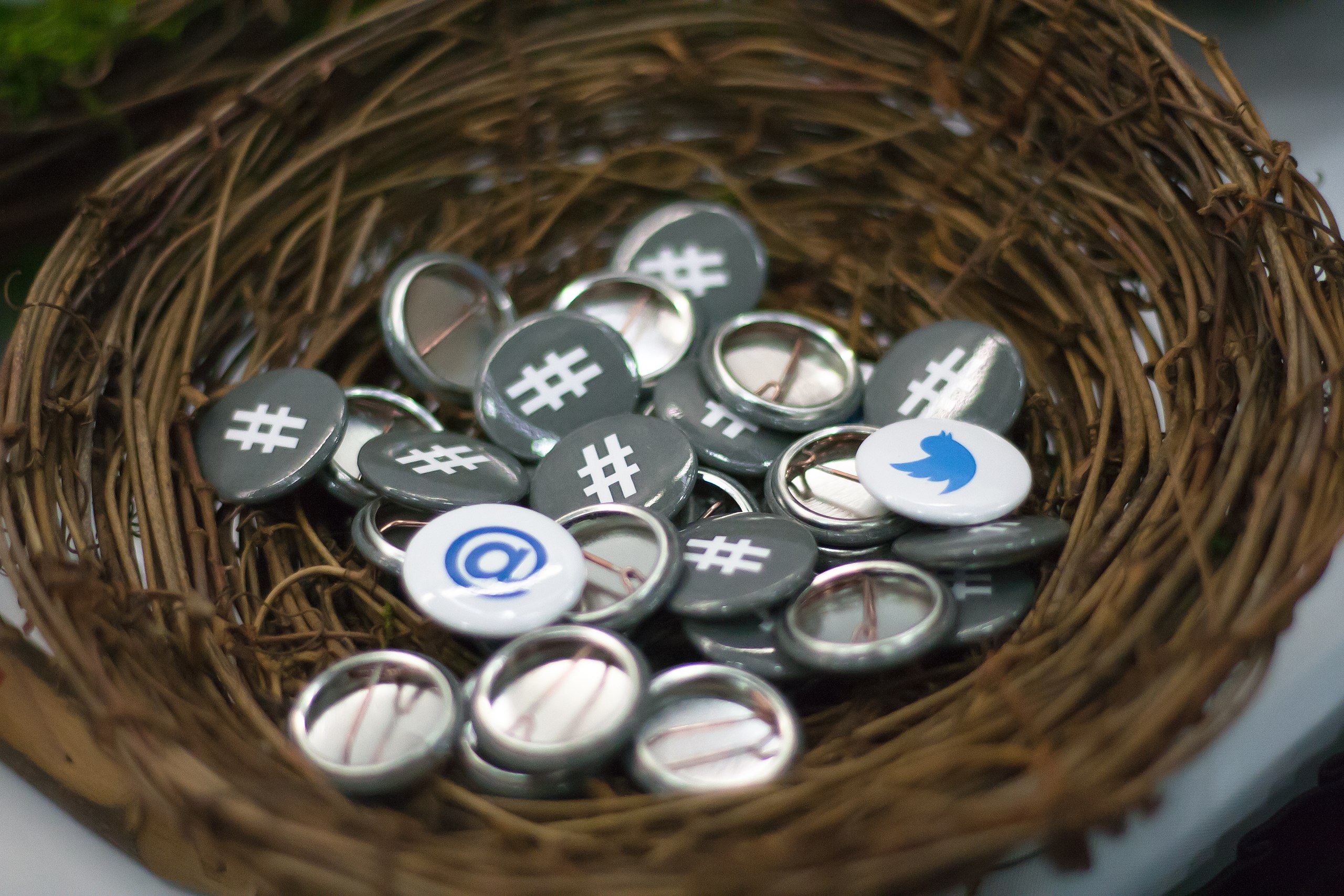
Jason Arday: We Must Rage – Rage Against the Journalism of Cruelty
The death of the academic shows the casual conversion of humiliation into entertainment by a media running on monetised hate and cruelty
Serving the For You Feed - AT Protocol
How the maintainer of the popular For You feed serves it from their living room!
EFF Statement on Meta's Announcement of Revisions to Its Content
Update: After this blog post was published (addressing Meta's blog post here), we learned Meta also revised its public "Hateful Conduct" policy in ways EFF finds concerning. We address these changes

Sovereign Accountable Commons
In the MetaCurrency Project, we’re committed to practicing what we preach, or eating our own dog food, if you prefer that way of saying it…

Morally Motivated Networked Harassment as Normative Reinforcement
While online harassment is recognized as a significant problem, most scholarship focuses on descriptions of harassment and its effects. We lack explanations of why people engage in online harassment beyond simple bias or dislike. This article puts forth an explanatory model where networked harassment on social media functions as a mechanism to enforce social order. Drawing from examples of networked harassment taken from qualitative interviews with people who have experienced harassment ( n = 28) and Trust & Safety workers at social platforms ( n = 9), the article builds on Brady, Crockett, and Bavel’s model of moral contagion to explore how moral outrage is used to justify networked harassment on social media. In morally motivated networked harassment, a member of a social network or online community accuses a target of violating their network’s norms, triggering moral outrage. Network members send harassing messages to the target, reinforcing their adherence to the norm and signaling network membership. Frequently, harassment results in the accused self-censoring and thus regulates speech on social media. Neither platforms nor legal regulations protect against this form of harassment. This model explains why people participate in networked harassment and suggests possible interventions to decrease its prevalence.

Feed Logic and the Failure to Thrive
Two disquieting works of fiction I encountered this spring feature the same menacing figure: a young girl that refuses to eat. In Ben Lerner’s novel Transcription (2026), doctors inform a couple that their waifish, picky-eating daughter is, in fact, “failing to thrive,” suffering from ARFID (avoidant/restrictive food

Is J.K. Rowling transphobic? Let’s let her speak for herself.
An exhausting — if not exhaustive — timeline of J.K. Rowling’s transphobia.

Is J.K. Rowling Transphobic? A Trans Woman Investigates
The most insulting thing about J.K. Rowling's transphobia is how mundane it is.

