

Have people heard or read about the California Ideology from Barbrook and Cameron circa 1995? networkcultures.org/wp-content/uploads/2015/10/05…
Oct 31, 2025 at 6:38 PM
Afterlives of the California Ideology| “Polemic Becomes Canon”: An Interview With Richard Barbrook on the Californian Ideology
In this interview, Richard Barbrook shares his perspective on the essay “The Californian Ideology,” which he published in 1995 and 1996 with Andy Cameron, who died in 2012. Richard Barbrook lays out the essay’s genesis, explores the inspiration offered by Marx and Engels’ The German Ideology, discusses his ambivalent but not simply dismissive relationship to California and the United States, and provides insight into the thinking around the masters program in hypermedia at the University of Westminster, United Kingdom, that he and Cameron were setting up at the time of the essay’s publication. In the essay they wanted to impart a different approach to digital technologies than was prevalent in the Californian computer industry at the time. Overall, the interview makes it apparent how “The Californian Ideology” should be seen in its temporal context—as well as how the basic questions the essay raises continue to shape the discussion about digital media and infrastructures today.
Californian ideology
Californian ideology refers to the dominant ideology of Silicon Valley, as described by the British media theorists Barbrook and Cameron in their 1995 essay "The Californian Ideology". The ideology is very influential because of the ubiquity of Californian technology products, as well as because siliconization has made it prominent in computing industries all around the world.
Thirty Years On, the Californian Ideology is Alive and Well
In the seminal essay, Barbrook and Cameron insisted that there are other ways to build technology, and to do it democratically, writes Nathan Schneider.
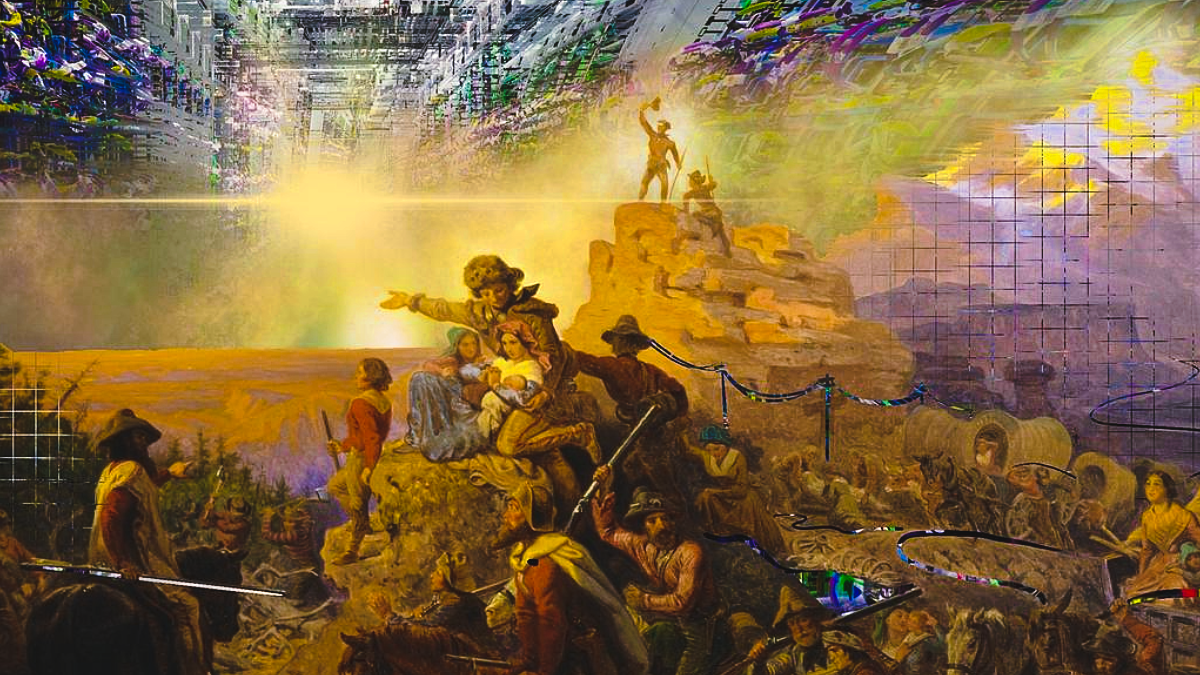
RESPONSES TO THE CALIFORNIAN IDEOLOGY BY CELIA PEARCE
The publication of 'The Californian Ideology' has inspired an impassioned debate over the issues raised by the article. Here is a selection of some of the most interesting responses to the piece:
THE CALIFORNIAN IDEOLOGY by Richard Barbrook and Andy Cameron | Imaginary Futures
“Not to lie about the future is impossible and one can lie about it at will” – Naum Gabo [1]
The Rise of Silicon Valley’s Techno-Religion (Published 2025)
The Rationalists, a community focused on the risks of artificial intelligence, regularly gather with tech figures and other like-minded people in a complex that covers much of a city block.

An Abundance of Influence
A group of YIMBY Big Tech donors took over San Francisco politics. Now they’re setting their sights on the rest of the country.

Reflecting On a Few Very, Very Strange Years In Silicon Valley's Rape Culture
On rape culture in Silicon Valley and its subcultures: Rationalism, Effective Altruism, TPOT, and Vibecamp. Also the informal rules that dictate how women are allowed to talk about sexual violence.

The scent of Musk: Power, charisma and paranoia in Silicon Valley
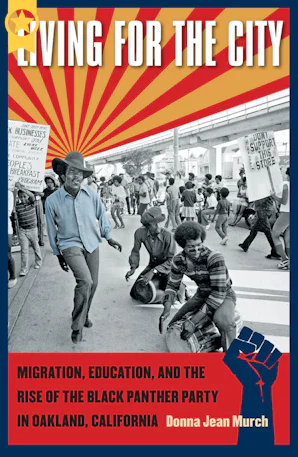
Living for the City
In this nuanced and groundbreaking history, Donna Murch argues that the Black Panther Party (BPP) started with a study group. Drawing on oral history and unt...
‘Blueskyism’, Political Violence, and Open Social Networks Under Authoritarianism
After Kirk's murder, calls for censorship and the crackdown on political places started to include Bluesky. Open social networks must now fight political suppression as well as platform monopolies.

Who Rules Oakland? : Indybay
The Oakland Chamber of Commerce and other business lobbies in the East Bay have recently pressured government officials to crack down on Occupy Oakland. Furthermore, they have popularized a narrative portraying Occupy as "harmful to local business." We critically examine ruling class networks of shared ownership, governance, and political advocacy impacting communities in Oakland by revealing links between the directors and executives of major corporations that are members in the Oakland Chamber of Commerce. In subsequent parts to this series we will provide more detailed information about the directors and executives of these companies, and provide an analysis of their social cohesion, profit-driven collusion, and political influence. More broadly, we will explore networks and institutions of economic and political power in the Bay Area.

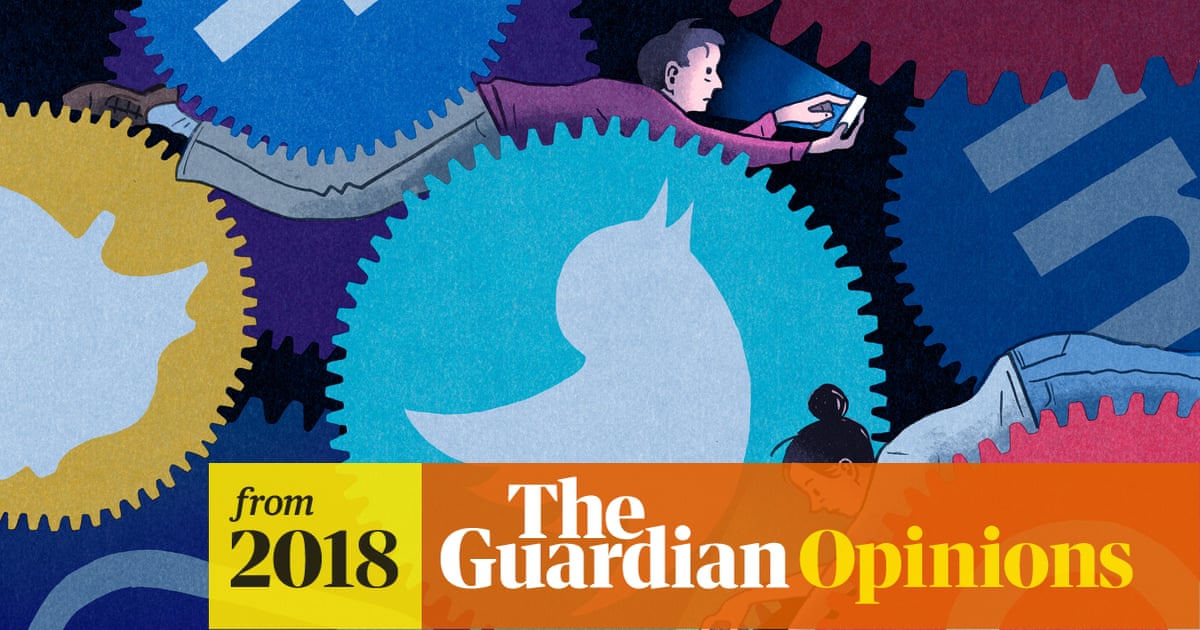
Take it from the insiders: Silicon Valley is eating your soul | John Harris
Former Google and Facebook executives are sounding the alarm about the pervasive power of tech, writes Guardian columnist John Harris
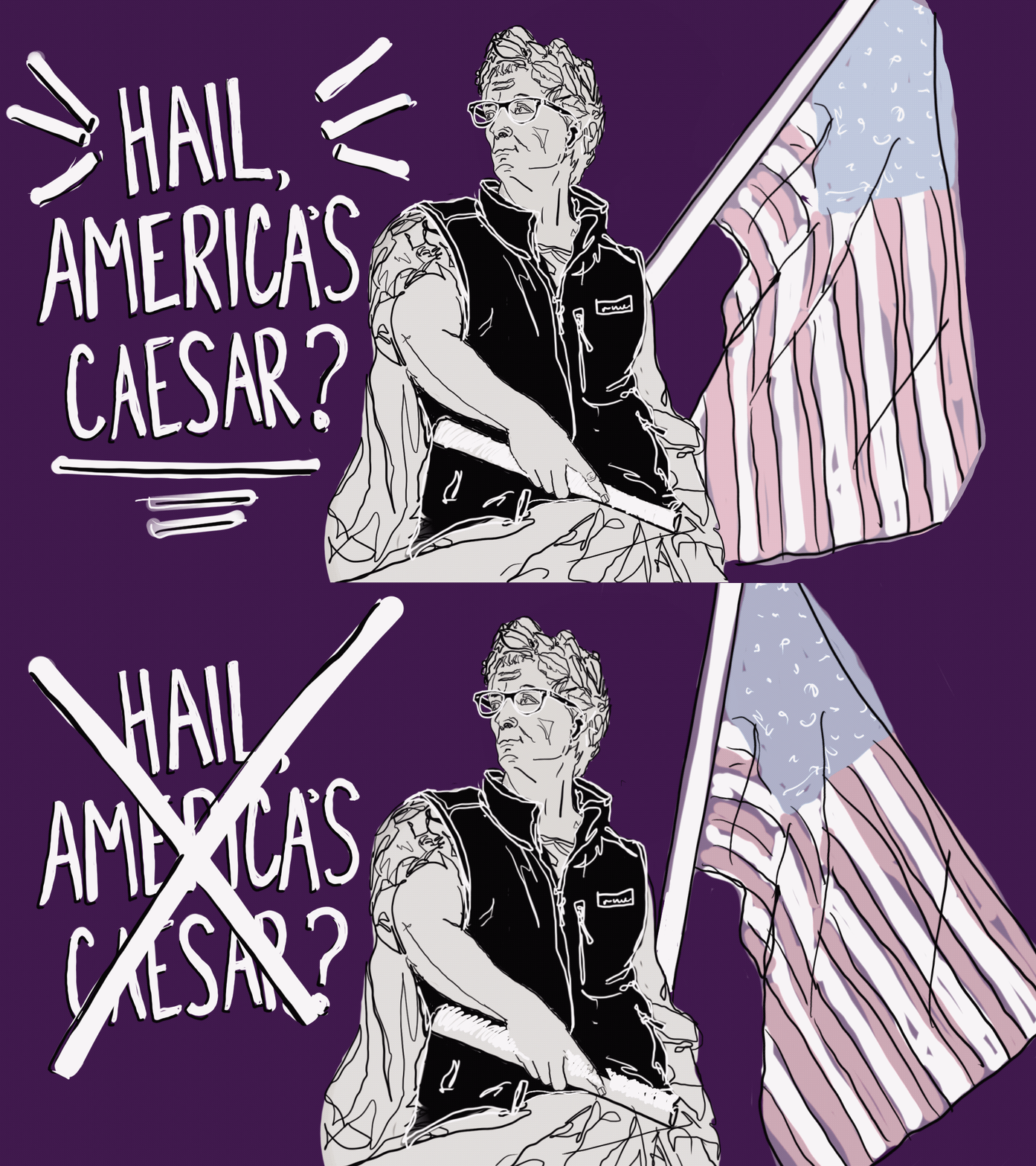
SF's Tech Right Debates the Ideal Dictator
Putrid vibes reigned at SF billionaire-funded Hamilton Society debate.
TESCREAL
TESCREAL is a neologism proposed by computer scientist Timnit Gebru and philosopher Émile P. Torres. An acronym, it stands for Transhumanism, Extropianism, Singularitarianism, (modern) Cosmism, Rationalists (the internet community, not to be confused with other uses of the term), Effective Altruism, and Longtermism.[1][2] Gebru and Torres argue that these ideologies should be treated as an "interconnected and overlapping" group with shared origins.[1] They claim these constitute a movement that allows its proponents to use the threat of human extinction to justify expensive or detrimental projects and consider it pervasive in social and academic circles in Silicon Valley centered on artificial intelligence.[3] As such, the acronym is sometimes used to criticize a perceived belief system associated with Big Tech.[3][4][5]
During the 1980s and 1990s, networks of evangelists and venture capitalists fused technological boosterism with reactionary social ideals. Our video of the week examines the deep roots of Silicon Valley's shift toward the right. Featuring @beccalew.bsky.social at @westernu.ca buff.ly/ydgntnc

