

Learning From Terminals to Design the Future of User Interfaces
How we overvalue the wrong technology and novel aspects of interface design at the expense of substantial gains to our productivity.
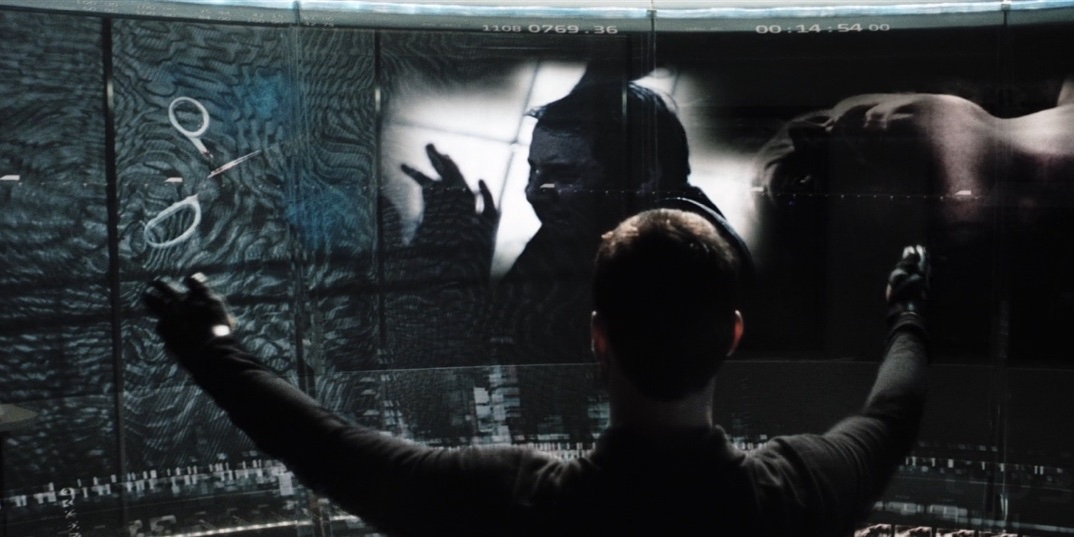
The Distribution of Users’ Computer Skills: Worse Than You Think
Across 33 rich countries, only 5% of the population has high computer-related abilities, and only a third of people can complete medium-complexity tasks.
Agents vs Operating Systems : The War That Could Kill Apps
What Even Is An OS Now?
Computers now work the way I thought they did when I was 8. What does computing look like when most applications have an audience of 1-2 people? I'm leaving Fly.io to build a phone for that world.
The Invisible OS
THE INVISIBLE OS – Every massive consumer technology business is selling the same thing: the removal of thought. In the end, convenience always wins. Dishwashers automated hours of domestic chores. GPS externalized our spatial memory. Calculators offloaded routine arithmetic. The pattern acceler...

Agents vs Operating Systems : The War That Could Kill Apps
Liberatory Computing
We live under a capitalist mode of computing. The tools, languages, techniques, and assumptions of digital systems are structured by economic forces that shape not just what we can do, but what we can imagine doing. By separating production from use, producing inflexible software, and slicing up computing into siloed apps, your agency is held back by a tech industry that profits from a population rendered computationally passive.
The Interfaces With Which We Think
The concepts in modern operating systems — apps, windows, desktops, notifications, and so on — have so permeated our understanding of personal computing, it’s hard to imagine anything else, let alone believe there could be anything better.
Post-appitalism rejects the super-app as a meaningful alternative to todays app-based production of software. An app that becomes so big that it starts sucking in smaller apps perpetuates the same dynamics no matter how well integrated the smaller apps can be.

𝕮
post-appitalism post-appitalism.app
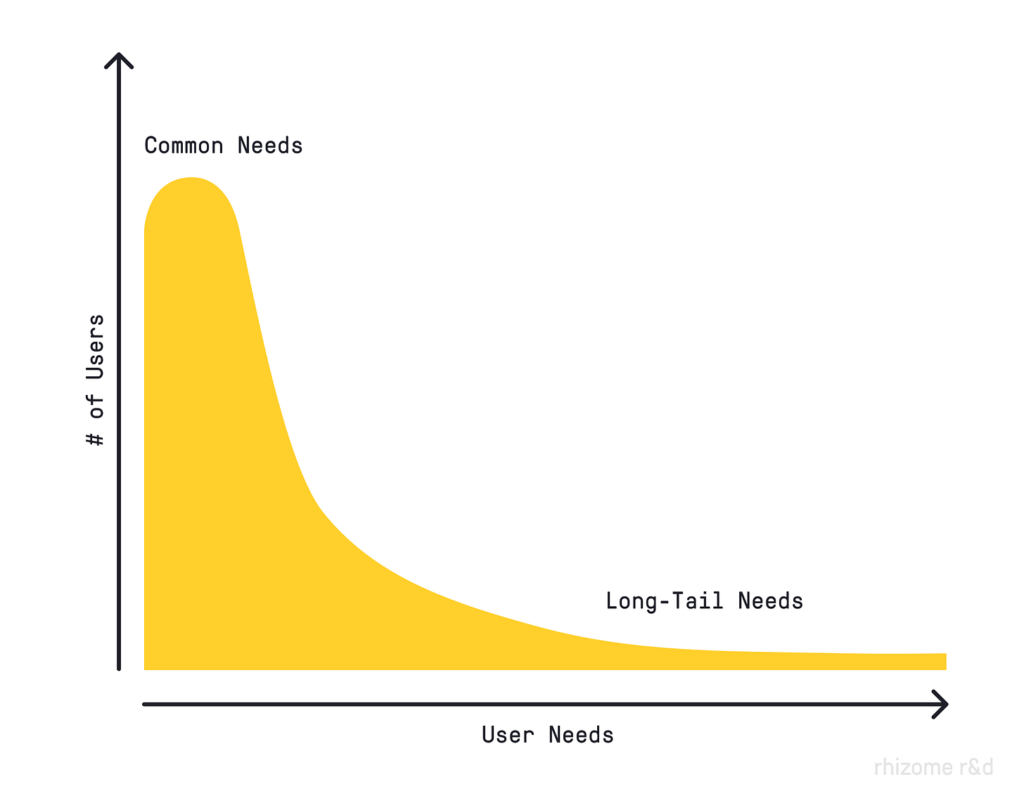
Long-tail of user needs
An analogy to understand how the rigidity of software interfaces fails to meet what we need from it.
Post-app computing
Imagining computing beyond siloed, rigid apps
User Agency in Other People's Websites - Orion Reed at JOTB25
When to Design for Emergence

Nobody Wants Your Damn App

Golems, smart objects, and the file metaphor
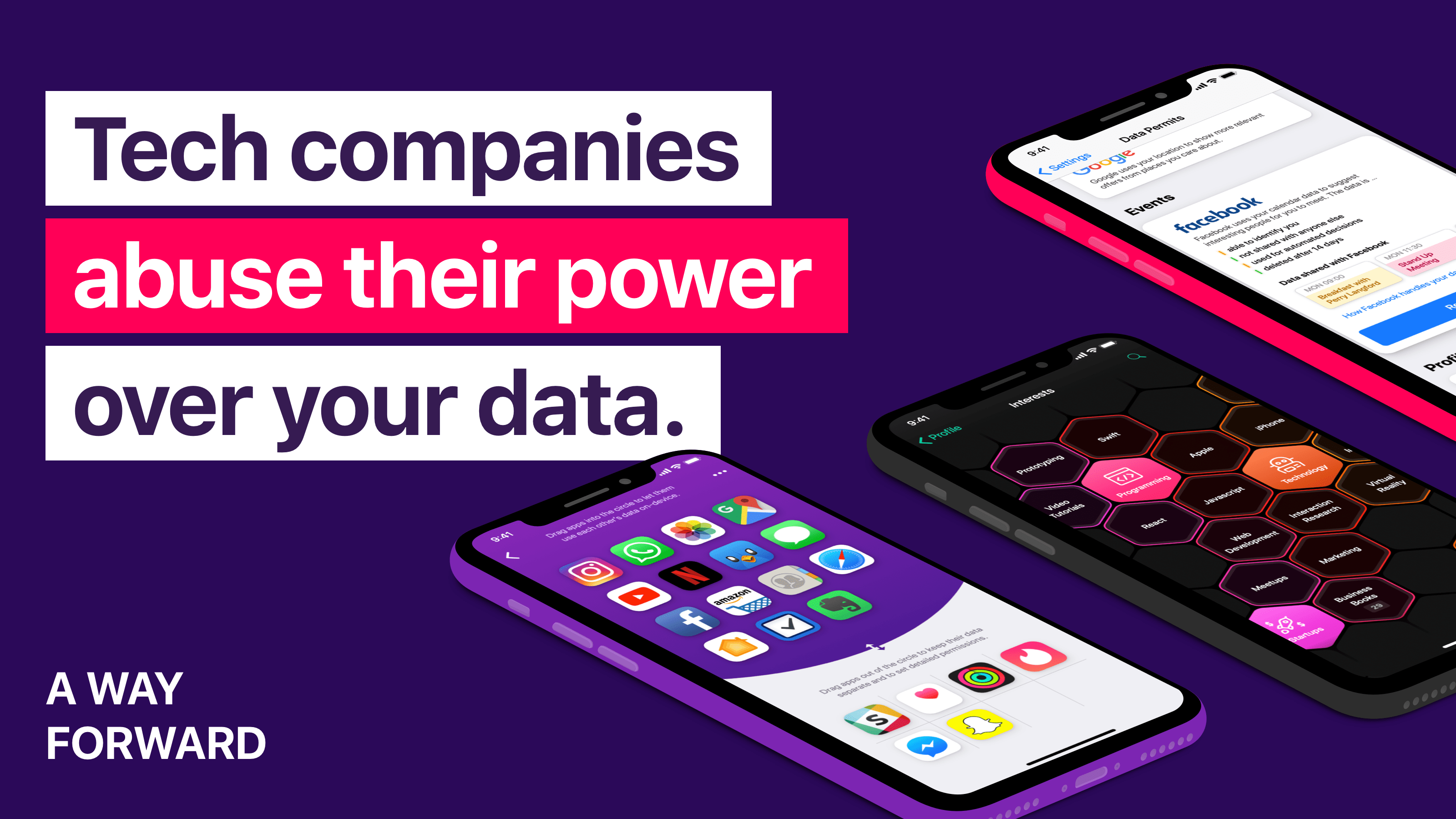
Rethinking how technology uses our personal data
User-tailorable systems: pressing the issues with buttons
everest-pipkin.com

Wesley Finck (@wesleyfinck.org)