


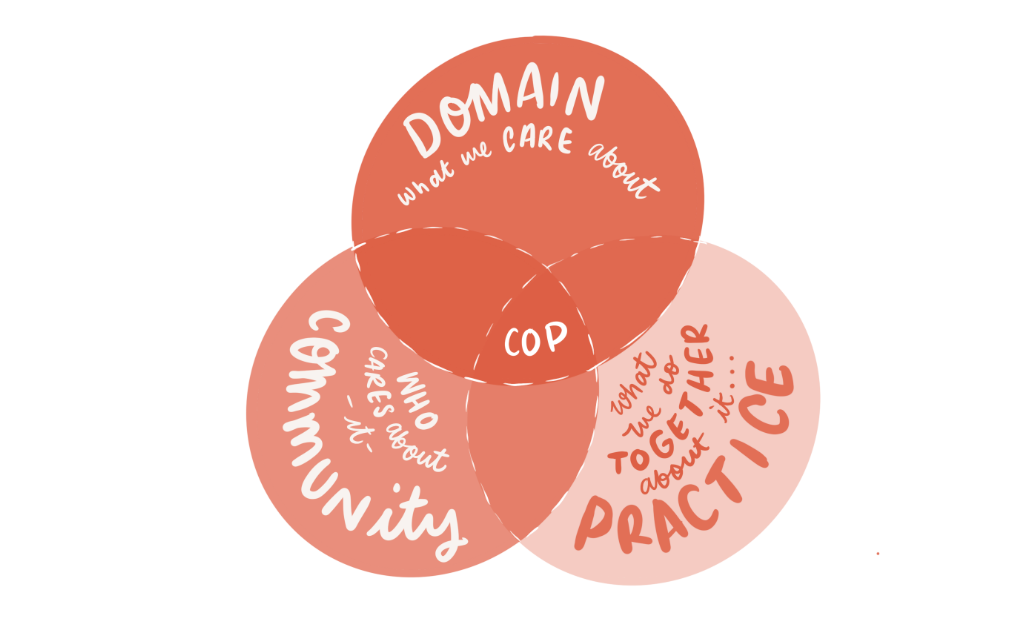
Wait… whats a Community of Practice?
“Learning is not merely the acquisition of knowledge by individuals. It is a process of social participation.” A slightly bastardised…
Learning How to Learn (And 20+ Studies) – Max's Two Cents
I have been interested in cognitive science and effective learning methods for years. I’ve read multiple books and articles and put many ideas to test. In this post, I aim to synthesize my notes and provide references to scientific studies.
Math Academy
The Math Academy curriculum and pedagogy leverage cutting-edge cognitive learning theory. Why? Because it’s been studied extensively, backed up and proven to work. We aren’t providing edu-tainment. This isn’t enrichment. We teach math as if we were training a professional athlete or musician, or anyone looking to acquire a skill to the highest degree possible. This is real work for a student who is serious about learning math. We expect every student using our system to actually master the material, and do it efficiently and effectively.
Do the Math | Using physics and estimation to assess energy, growth, options—by Tom Murphy
Few among us question actions done “in the name of science” when said actions are carried out by credible groups or individuals. It goes without saying that the acquisition and expansion of knowledge is highly valued. As long as the pursuit is not directly harmful to people, it generally gets a pass. But one level deeper, what is science itself done in the name of?
In pursuit of Cognitive Solidarity
Guest post by Pip Sanderson, National Institute of Teaching (England)
Standardized Education | The Paper Pilot
The Paper Pilot's digital garden of thoughts on philosophy, politics, and sociology
Is Science a social construct? – a response to Richard Dawkins
With characteristic certainty and self-assurance, Professor Richard Dawkins recently tweeted his irritation with those who describe science as a social construct. “Science is not a social construct…

How Learning Happens | Seminal Works in Educational Psychology and Wha
How Learning Happens introduces 28 giants of educational research and their findings on how we learn and what we need to learn effectively, efficiently, and

Learning Styles | The Paper Pilot
The Paper Pilot's digital garden of thoughts on philosophy, politics, and sociology
Innovative Time Strategies for Schools | Unlocking Time
Explore free resources about innovative time strategies to fuel student-centered learning in schools -- includes tools, case studies and opportunities to dig deeper.
The Math Academy Way
The Math Academy Way Using the Power of Science to Supercharge Student Learning – Working Draft – Note: If you are reading this as a PDF, consider switching to the Google Doc which may contain new updates. Authored by Justin Skycak, advised by Jason Roberts. Ma...

Open science meets orange skies: K-12 educators’ engagement with computational notebooks to explore scientific events with human impacts
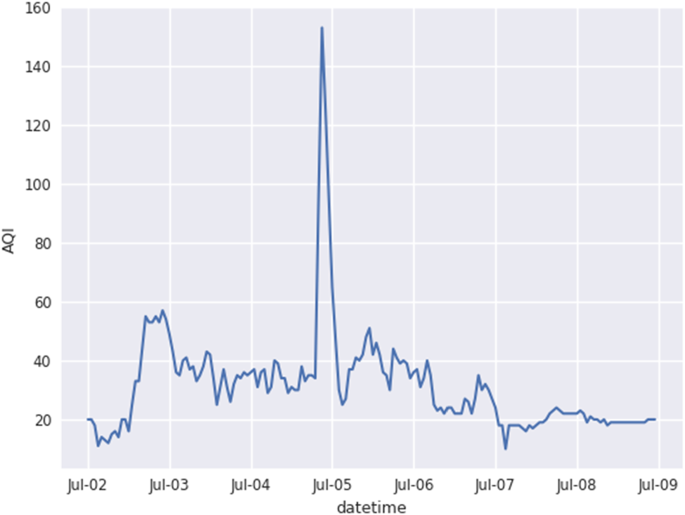
Computational notebooks are becoming a popular method to introduce mathematics, data, and scientific computing concepts to secondary students. Advocates argue computational notebooks encourage transparency and reproducibility in student work and can enable more personalized investigations of publicly available civic and scientific datasets. However, little is known about how teachers navigate these complex artifacts, let alone how they might support their students in doing so. In this paper, we investigate six pre-service and two in-service K-12 teachers’ sensemaking during a structured clinical think-aloud interview as they engaged with a computational notebook that examines disruptions in local air quality. The notebook presented a common event (annual fireworks) and an extreme event that impacted human health, during which the skies above the greater metropolitan San Francisco Bay region in California, USA turned orange due to wildfire pollution (“Orange Skies Day”, Sept 9, 2020). We examine the ideas that participants engaged as they interacted with the notebooks, and identify three ways in which they interacted with code in the notebook: to make sense of the scientific phenomenon (all participants), to make sense of the available data (6 out of 8 participants), and/or integrate these two dimensions (4 out of 8 participants). We present examples of each of these three forms of sensemaking, highlight their similarities and distinguishing features, and discuss implications for teacher education.
Learning to Learn: You, Too, Can Rewire Your Brain (Published 2017)
How an engineering professor who “flunked my way” through high school math and science went on to create the world’s most popular online course.

Why Some Students Learn Faster
A hypothesis about teaching and learning
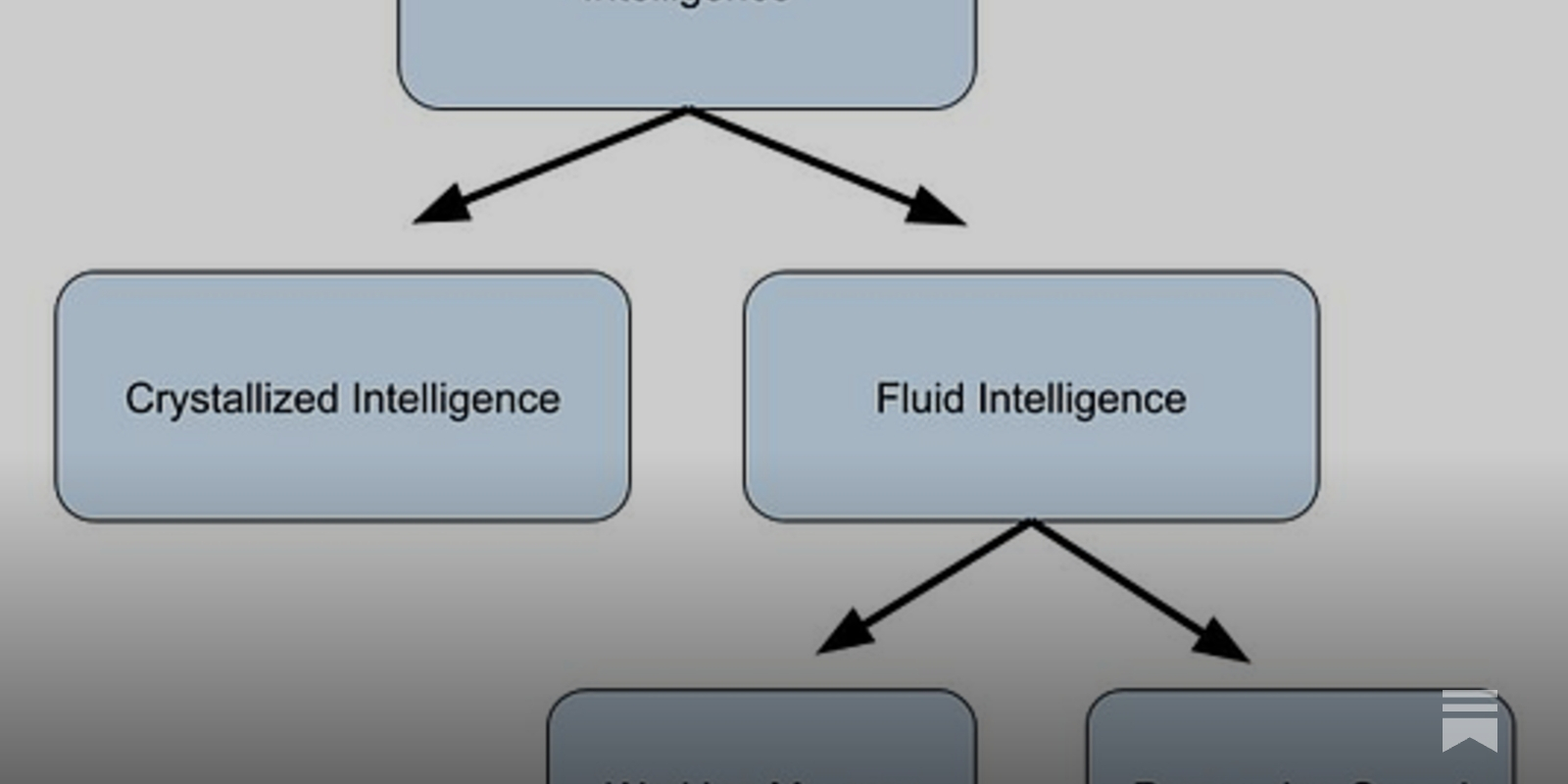
There is something to @benjaminjriley.bsky.social 's ways educators see the "science of learning". I think the SoL is a term more popular in the US. This post could have been the same in the UK as a way educators talk about "cognitive science". buildcognitiveresonance.substack.com/p/the-science-of-learning-tax…

The Science of Learning Taxonomy
buildcognitiveresonance.substack.comAug 21, 2026 at 8:45 PM
