I do think this is a kind of novel problem with our current media environment - Serious people aren't good at making content, they have other things to do, but content is what drives attention. Tastemakers used to highlight the serious people but they're gone, replaced by content creators.
May 22, 2026 at 3:14 PM
How to rage bait Americans
Content Products: The new way of doing Content Marketing
The era of the 'quick wins' in content marketing is long gone. Learn how to drive new leads by creating Content Products

Sources on social media: Information context collapse and volume of content as predictors of source blindness - George Pearson, 2021
Although social media has become a primary news platform, the effects of social media features on users’ information processing remains under-explored. This stu...

Building A Prosocial Media Ecosystem | NOEMA
There’s never been a better time to make social media what it always should have been: a tool to strengthen rather than strip-mine the social fabric.

Death by a thousand likes: How Facebook and Twitter are killing the open web
Here’s one way to understand the symbiotic relationship between publications and platforms in the digital age. Publications depend on advertising dollars to keep producing content, so they need to hold readers’ attention. Big platforms like Facebook and Twitter already have plenty of attention, but they need vast quantities of content to fill up their newsfeeds. It seems natural, then, that publications have started relying on platforms to drive readership.

Bonsai: Intentional and Personalized Social Media Feeds
Social media feeds use predictive models to maximize engagement, often misaligning how people consume content with how they wish to. We introduce Bonsai, a system that enables people to build personalized and intentional feeds. Bonsai implements a platform-agnostic framework comprising Planning, Sourcing, Curating, and Ranking modules. This framework allows users to express their intent in natural language and exert fine-grained control over a procedurally transparent feed creation process. We evaluated the system with 15 Bluesky users in a two-phase, multi-week study. We find that participants successfully used our system to discover new content, filter out irrelevant or toxic posts, and disentangle engagement from intent, but curating intentional feeds required more effort than they are used to. Simultaneously, users sought system transparency mechanisms to effectively use (and trust) intentional, personalized feeds. Overall, our work highlights intentional feedbuilding as a viable path beyond engagement-based optimization.

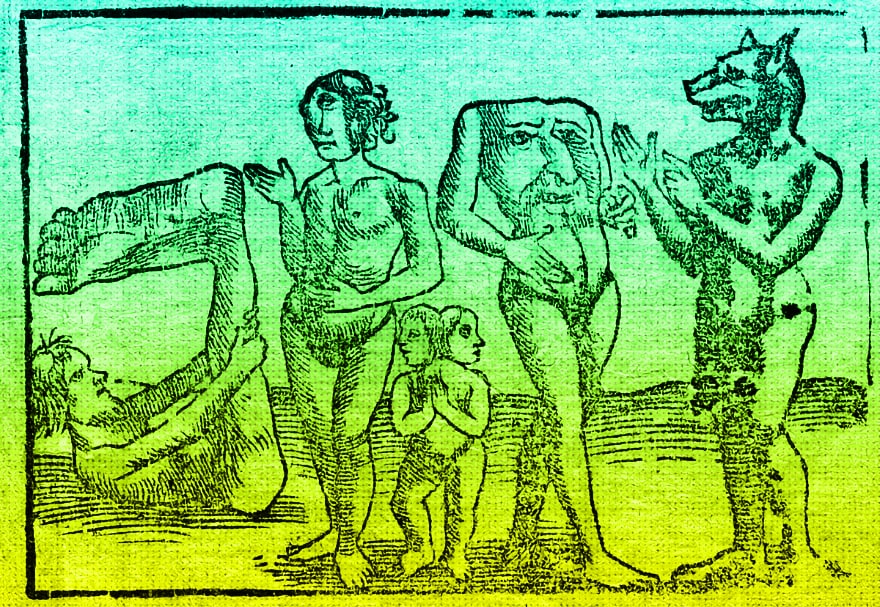
The Retweeting Class
I have often found myself confounded by the behaviour of some people who seem impervious to reality — like the people still on X today. Here, I try to understand what grounds their epistemology and its consequences, and what that means for the rest of us. Being committed to a better future is where genuine seriousness is, and that seriousness can only be approached in a spirit of embodied, determined, relentless hope.
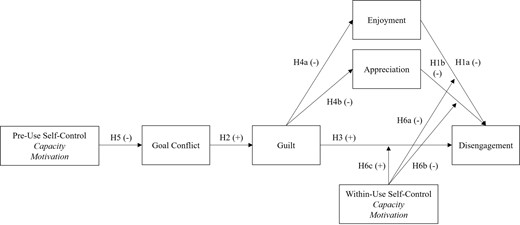
Too amused to stop? Self-control and the disengagement process on Netflix
Abstract. Consuming media entertainment often challenges recipients’ self-control. While past research related self-control almost exclusively to whether i
An attention economic perspective on the future of the information age
In this paper, we apply an attention economic perspective to explain current and predict future trends in our society. We first describe the rise of the attention economy, and we highlight one important mechanism of this economy: a spiral of attention scarcity. Second, we show that an attention economic perspective provides glimpses of a potential future. In particular, we predict an information environment that increasingly targets citizens with attention-grabbing content, form, and technology; a continuing trend toward excessive media consumption levels; and a continuing trend toward inattentive uses of information. We also predict increasing problems of public misinformation and misconceptions; an increased prevalence of certain mental and physical health issues; and an increased reliance on technology to perform mental tasks. At the end of this paper, we show why and how despite these predictions, alternative futures are conceivable. These alternatives largely depend on the behavior of various social actors. We discuss resistance to the attention economy by consumers and producers, a laissez-faire policy toward the attention economy, a policy of taxing attention-seeking efforts, and the promotion of public values in regulatory policies toward the internet.
A serious problem the news industry does not talk about
Ask anyone working in a newsroom what they think of their audience, and you’ll hear a variety of answers. Over the past couple of years…

Changes to the Facebook Algorithm Decreased News Visibility Between 2021-2024
Platforms, especially Facebook, are primary news sources in the US. In its widely criticized "War on News," Meta algorithmically deprioritized news and political content. We use data from 40 news organizations (5,243,302 Facebook posts, 7,875,372,958 user reactions) and 21 non-news pages (396,468 posts; 1,909,088,308 reactions) between January 1, 2016 and February 13, 2025 to examine how these changes influenced news visibility on the platform. Reactions to news declined by 78% between 2021 and 2024 while reactions to non-news pages increased, indicating targeted suppression of news visibility. Low-quality sources were especially suppressed, yet the 2025 end to "War on News" increased user reactions to news, especially low-quality ones. These changes do not reflect decreased news supply, Facebook user base, or interest in news over this period.
No Sense of Place: The Impact of Electronic Media on Social Behavior
Electronic media present us with a collage of experiences from everyplace. We eat dinner at home while watching starving children thousands of miles away reach out to us for food. From our easy chairs, we stare at blindfolded hostages, and coolly

3 Flavors of Delight: A Hearken Story Roundup
This month at Hearken HQ, we’ve been thinking a lot about the role of delight in journalism. My colleague Ellen Mayer recently argued that…

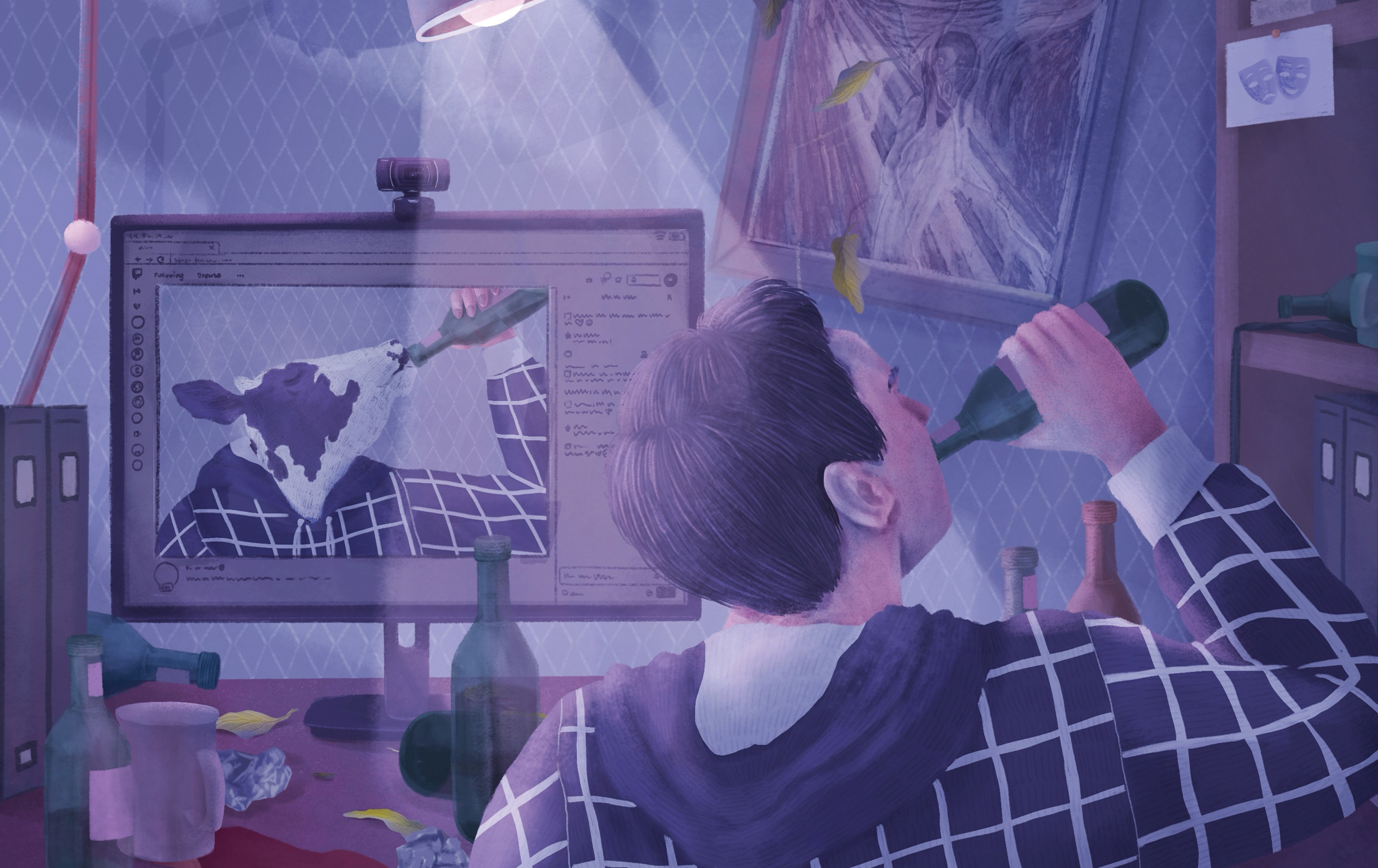
The Insidious World of Lolcows
Within the internet’s darkest ecosystems, provoking the mentally ill has become full-time entertainment.
Meta and TikTok let harmful content rise after evidence outrage drove engagement - whistleblowers
Companies allowed more harmful content on user’s feeds, knowing their algorithms ran on outrage, BBC hears.