

Okay one more thought on moravec's paradox: - we (well, i) always say its harder to build a robot plumber than cider - what if that's not true? What if physical stuff really is easy and we just didn't have the data on hardware to do it?

Chris Paxton
Ant Group trained a robot vision-language-action model on 20,000 hours of robot data.
Jan 29, 2026 at 11:29 AM
You’re Thinking About AI and Water All Wrong
Fears about AI data centers’ water use have exploded. Experts say the reality is far more complicated than people think.

Why Hasn’t AI Made Work Easier? - Cal Newport
I’ve been studying the intersection of digital technology and office work for quite some time. (I find it hard to believe that my book, Deep ... Read more

AI Aqueducts: Speed. Confidence. And Contaminants.
The AI Pipeline Has No Way to Judge the Science It Uses

The Friction is Your Judgment — Armin Ronacher & Cristina Poncela Cubeiro, Earendil
A quote by Edsger W. Dijkstra
The question of whether a computer can think is no more interesting than the question of whether a submarine can swim.

The Jevons Paradox of AI - Wesley's notes
Why AI can make us more productive but will never save us time
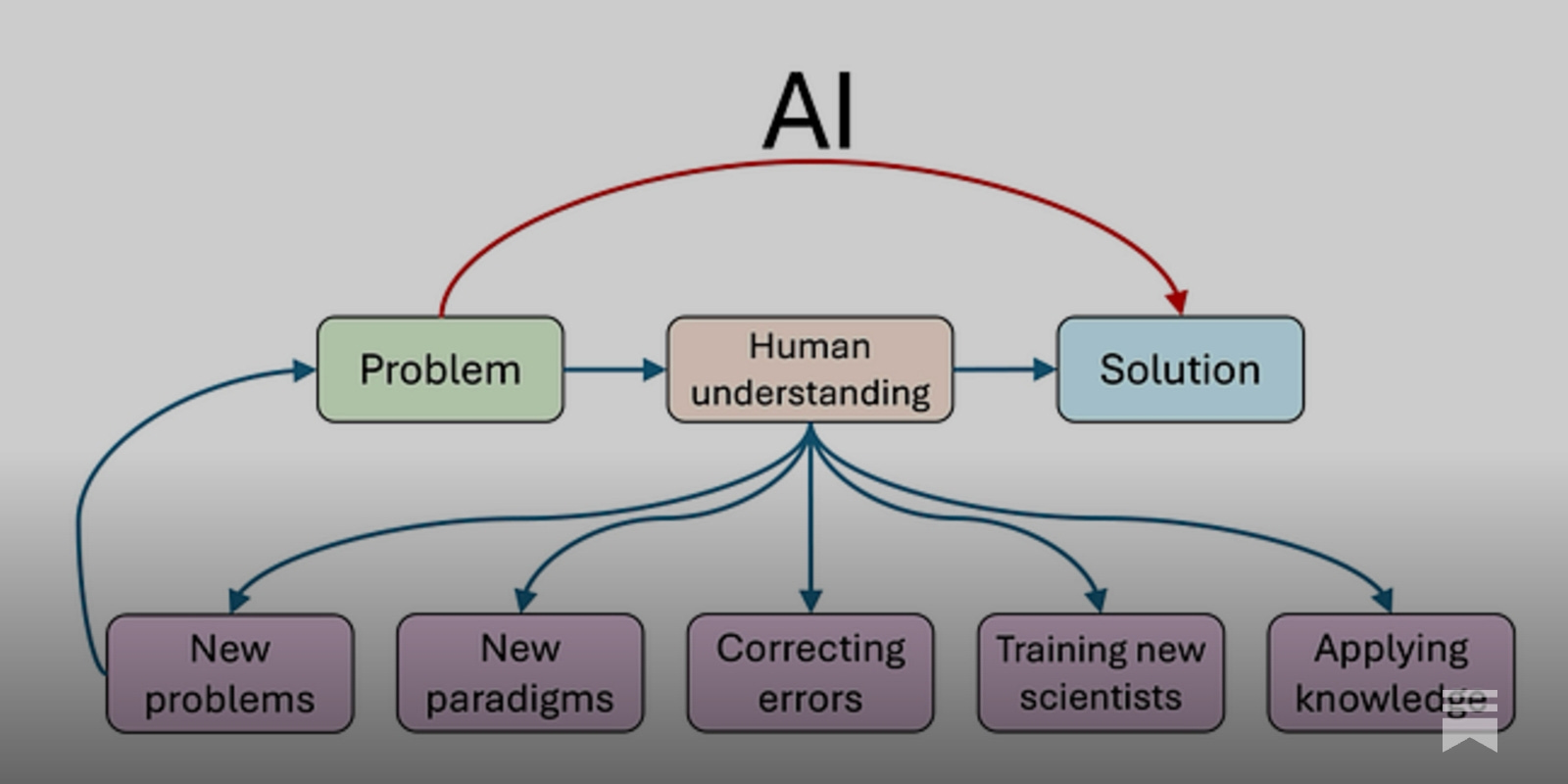
Our Uncertain Uncertainties
Even the experts inventing AI don’t know what will happen next.

Less is more, more or less
In the age of AI, knowing what not to build might be the most important skill of all.

AI Has Ruined the Job Market
Maybe flawed people were better than brute algorithms.

The Bulk of Software Engineering is Just Plumbing
I read a post online recently about how some software engineer was asked to complete a technically complex, jargon-filled coding challenge over the...

The Economics of Using AI to Churn Out Code Are Looking Worse Than Ever
Anthropic updated an estimate for how much developers will spend on its AI coding tool, signaling that the tech is only going to get costlier.

Claude Dispatch and the Power of Interfaces
We often lack the tools for the job, even if the AI is capable enough
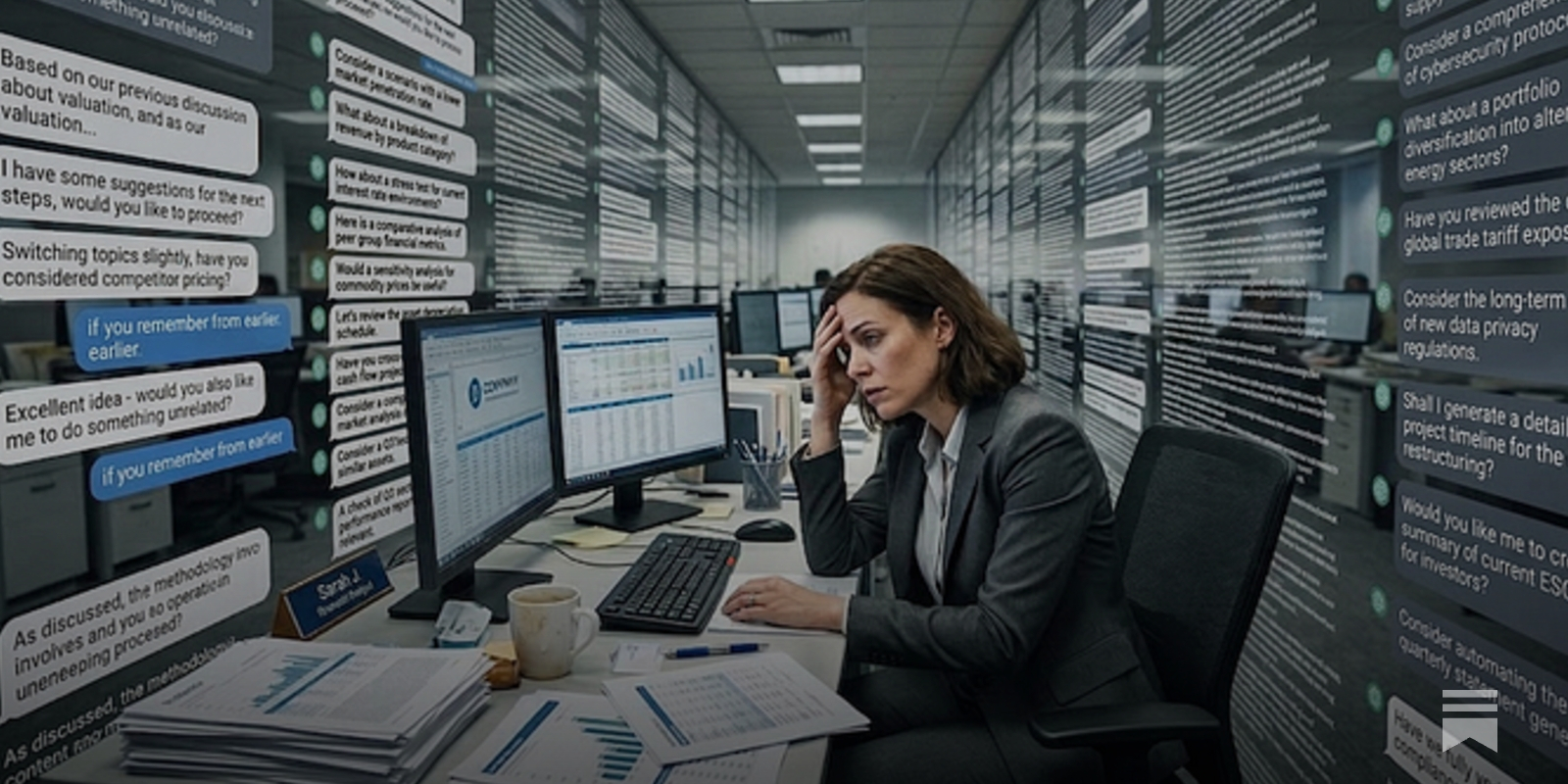
The Bitter Lesson: Rethinking How We Build AI Systems
The Race for AI Progress In 2019, Richard Sutton, wrote his groundbreaking essay titled ‘The Bitter Lesson’. Simply put, the essay concludes that systems which get better with higher compute beat the systems that do not. Or specifically in AI: raw computing power consistently wins over intricate human-designed solutions. I used to believe that clever orchestrations and sophisticated rules were the key to building better AI systems. That was a typical sofware dev mentality. You build a system, look for edgecases, cover them and you are good to go. Boy, was I wrong.
The AI we want without the data centers we don't: It's possible | Op-Ed
We don’t need to burn our climate commitments or pave over fields and ranches to realize the benefits of artificial intelligence.
