

youtube.com/watch?v=NOYa3YzVtyk This video proposes a library economy: an alternative to capitalism where things are shared, not owned, following usufruct, guaranteed necessities, and complementarity, inspired by Bookchin and library science, to build a cooperative, sustainable society. #solarpunk

We Need A Library Economy
www.youtube.comAug 1, 2026 at 3:17 PM
We Need A Library Economy
After Capitalism: A Cooperative Economy (Documentary)
How Solarpunk Could Solve Capitalism's Major Greed Problem
Infrastructure for Interdependence: Building technology in service of collective power - The Algo Rhythm by Blacksky
[This document serves as a memo for investors]

Open Source Sustainability
The status quo in open source is broken. Corporations profit hugely from open source libraries, and give almost nothing back, which leans to burnout which is bad for everyone.


Will capitalism end capitalism? | Steve Loftus | The Critic Magazine
Imagine waking up one morning to discover your job still exists, but your services are no longer required. The work is being done, just not by you, not by anybody. Somewhere, a machine is doing it…

Consumers Are Worried About the Loss of Physical Media Ownership. Libraries Are Leading the Conversation. — Association of Research Libraries
Sally Sax is head, Collection Strategy and Partnerships, MacOdrum Library, Carleton University. In a recent Atlantic Monthly article about Sony’s plan to end physical sales of PlayStation console games, Will...

Infrastructure for Interdependence: Building technology in service of collective power
[This document serves as a memo for investors]
mai ishikawa sutton
My work lies at the intersection of technology and the solidarity economy. I’m passionate about strengthening the digital commons, in which people control and steward communication technologies as collective goods.
Power: A Primer for Perplexed Economists
Let's Assume an Unfettered Marketplace of Ideas! Or Actually, Let's Not.
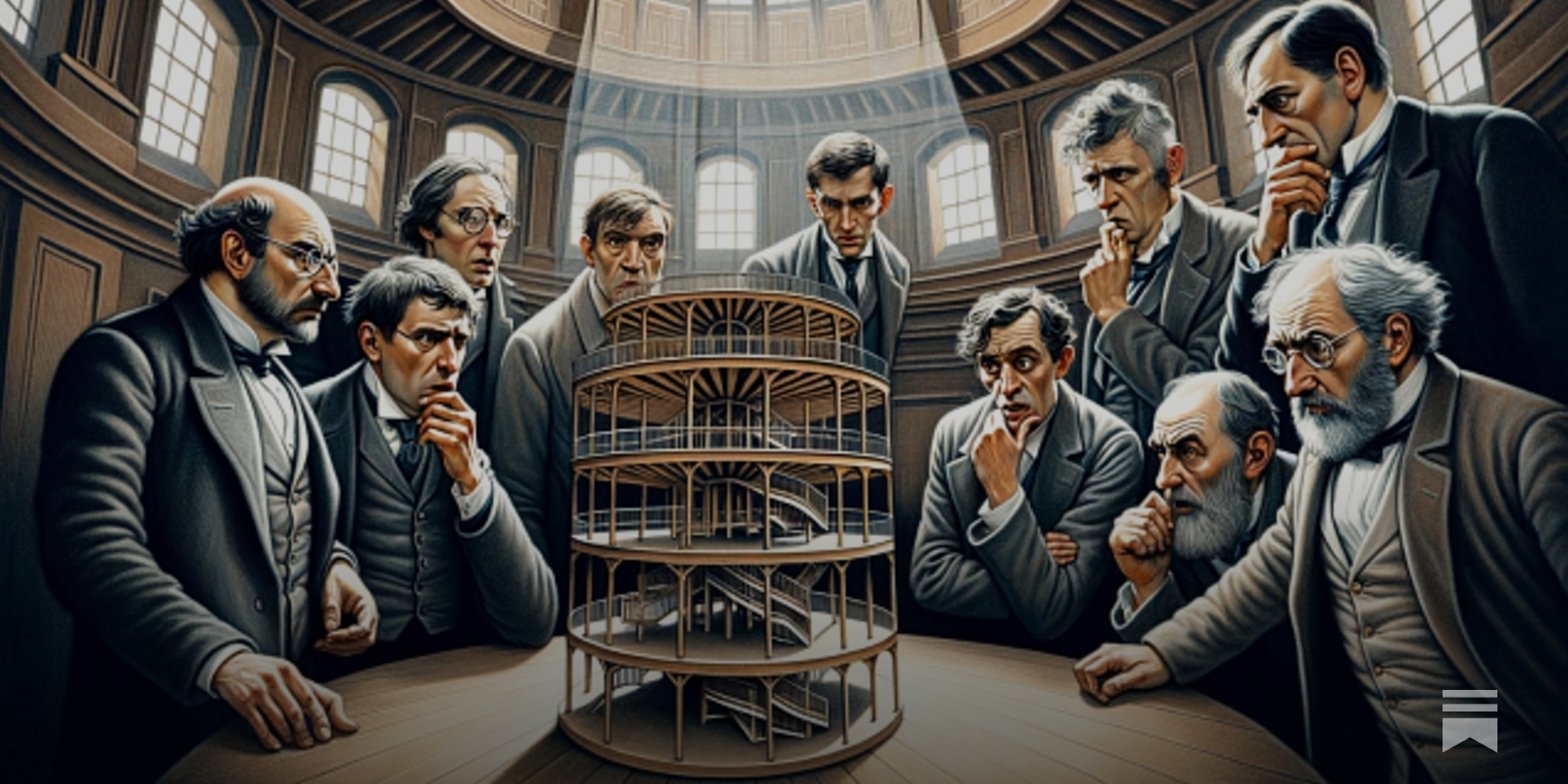
Reclaiming the Computing Commons
Hunter writes: The commodification and exploitation of nature; the enclosure of the intellectual and informational commons in medicine, agriculture, and other areas of technical knowledge; the expropriation of public space to secure profit-all define an economic system supposedly premised on freedom.
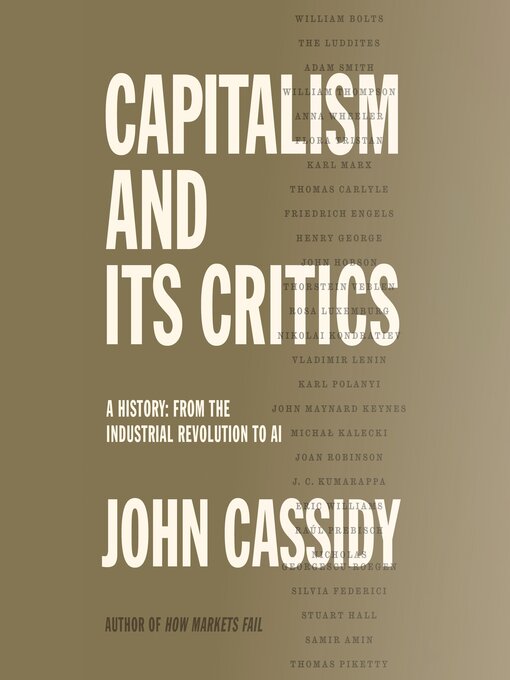
Capitalism and Its Critics: A History
A Financial Times Most Anticipated Book of 2025A sweeping, dramatic history of capitalism as seen through the eyes of its fiercest critics. At a time when artificial intelligence, climate change, and inequality are raising fundamental questions about the economic system, Capitalism and Its Critics provides a kaleidoscopic history of global capitalism, from the East India Company and Industrial Revolution to the di...
How To End Capitalism
