

in a sense, a program is not its source code, but a projection of a platonic "why this idea works" hyperprogram. we usually don't see the hyperprogram the original developers/team usually maintain both. but the agents mostly engage with the projection, thereby losing the hyperprogram
Oct 21, 2026 at 11:16 PM
Same Model, Different Results: Why Coding Agents Aren't Interchangeable
Reverse-engineering Claude Code reveals why it performs differently from other agents that use the same Anthropic models. The answer lies in sophisticated context engineering and tool orchestration hidden beneath the surface.
Sourcegraph — Code Understanding, Oversight and Evolution
Give humans and agents complete context to understand, oversee, and evolve the world's largest, most complex codebases.
Programming (with AI agents) as theory building
Back in 1985, computer scientist Peter Naur wrote “Programming as Theory Building”. According to Naur — and I agree with him — the core output of software engineers is not the program itself, but the theory of how the program works. In other words, the knowledge inside the engineer’s mind is the primary artifact of engineering work, and the actual software is merely a by-product of that.

Code Is Cheap Now, And That Changes Everything | Pere Villega
AI coding agents have made code production nearly free. Drawing on insights from Kent Beck, Paul Ford, and Simon Willison, this post argues that the value has shifted from writing code to defining systems — contracts, invariants, SLAs, and verification.
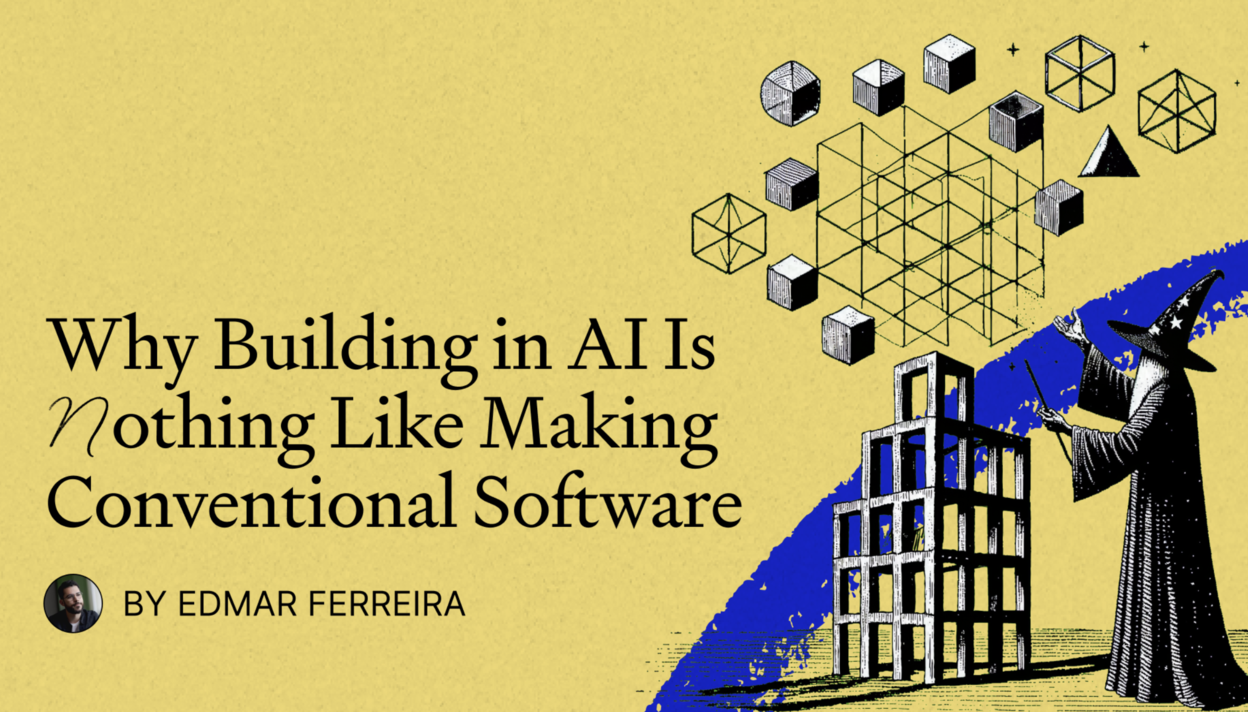
Why Building in AI Is Nothing Like Making Conventional Software
Introducing Source Code, your backstage pass to Every Studio
When Science Goes Agentic
In a couple of years, we will inspect AI-generated source code about as often as we inspect the assembly output of a compiler. Which is to say, far less often—outside of high-stakes and adversarial settings. The trajectory is clear: vibe coding is not a fad but a transition, a stepping stone. Debugging AI-generated code will shrink dramatically for a lot of everyday software—not because the code will be flawless, but because the feedback loops between generation, testing, and correction will tighten until human inspection becomes the bottleneck rather than the safeguard. In this respect, requiring the co-generation, with code, of mechanically verifiable formal attestations can also improve the process.

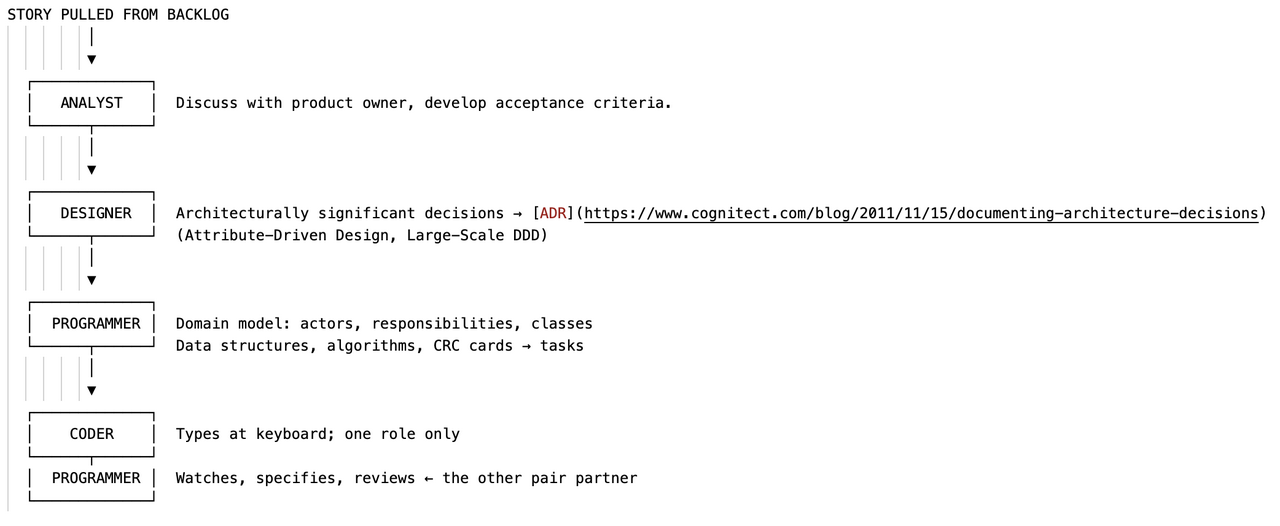
Coding Is Dead, Long Live Programming — Ian Cooper - Staccato Signals
Summary In this post, we argue that the role of a coder now belongs to a coding agent, but that the distinct role of a programmer define...
Code Was Never the Asset - The Phoenix Architecture
Why AI makes the hidden economics of software unavoidable
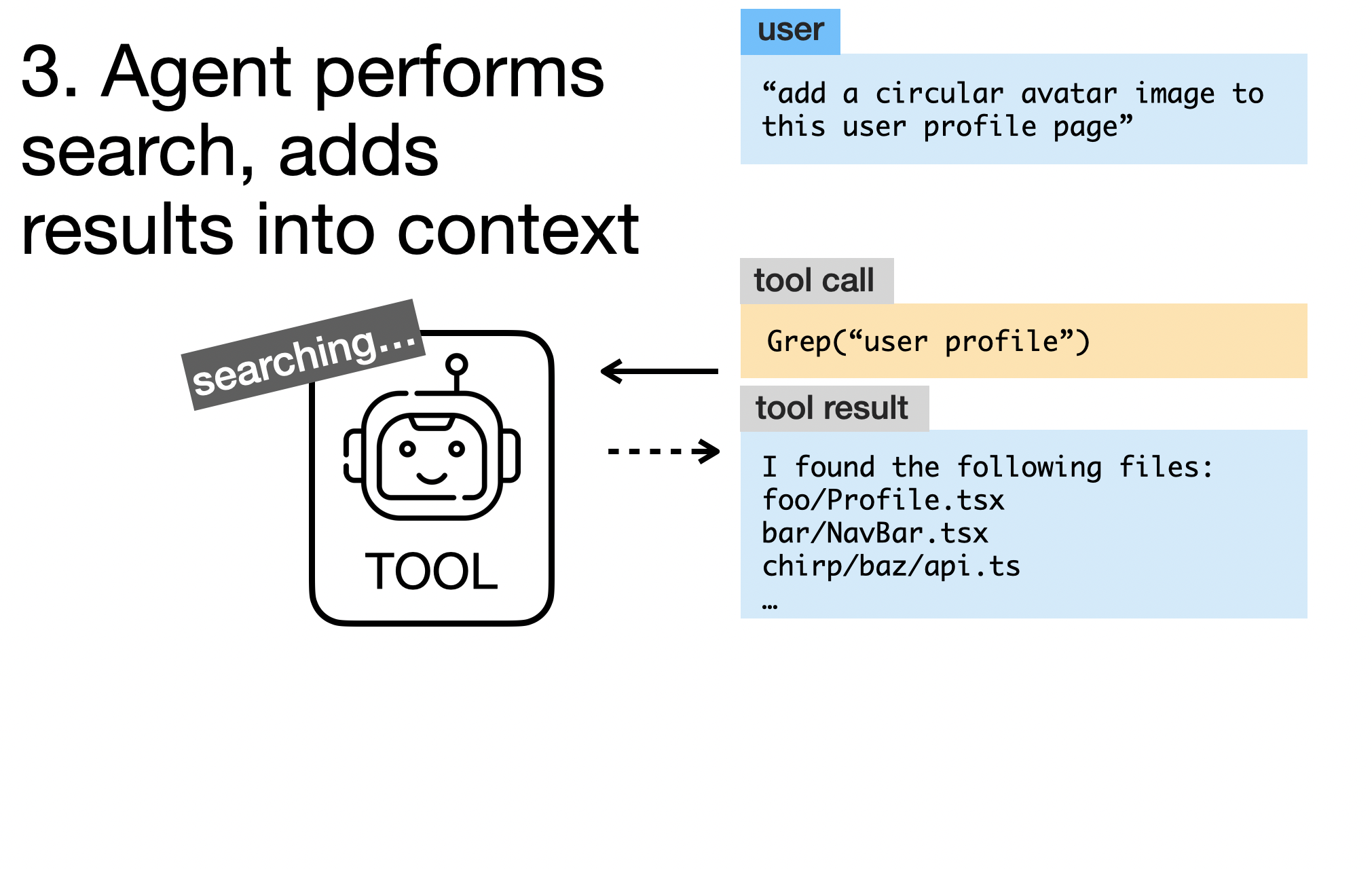
How coding agents work - Agentic Engineering Patterns
How coding agents work - Agentic Engineering Patterns
Repositories Are Human/Agent Knowledge Factories
Repositories aren’t where code lives anymore—they’re where **knowledge is manufactured**. And increasingly, it’s not humans doing the work—it’s agents, with humans supervising the factory.…

In software, the code documents the app. In AI, the traces do.
Discover how traces for documentation replace code as the source of truth for AI agents. Learn to debug, test, and optimize agent behavior effectively.

The emerging skillset of wielding coding agents — Beyang Liu, Sourcegraph / Amp
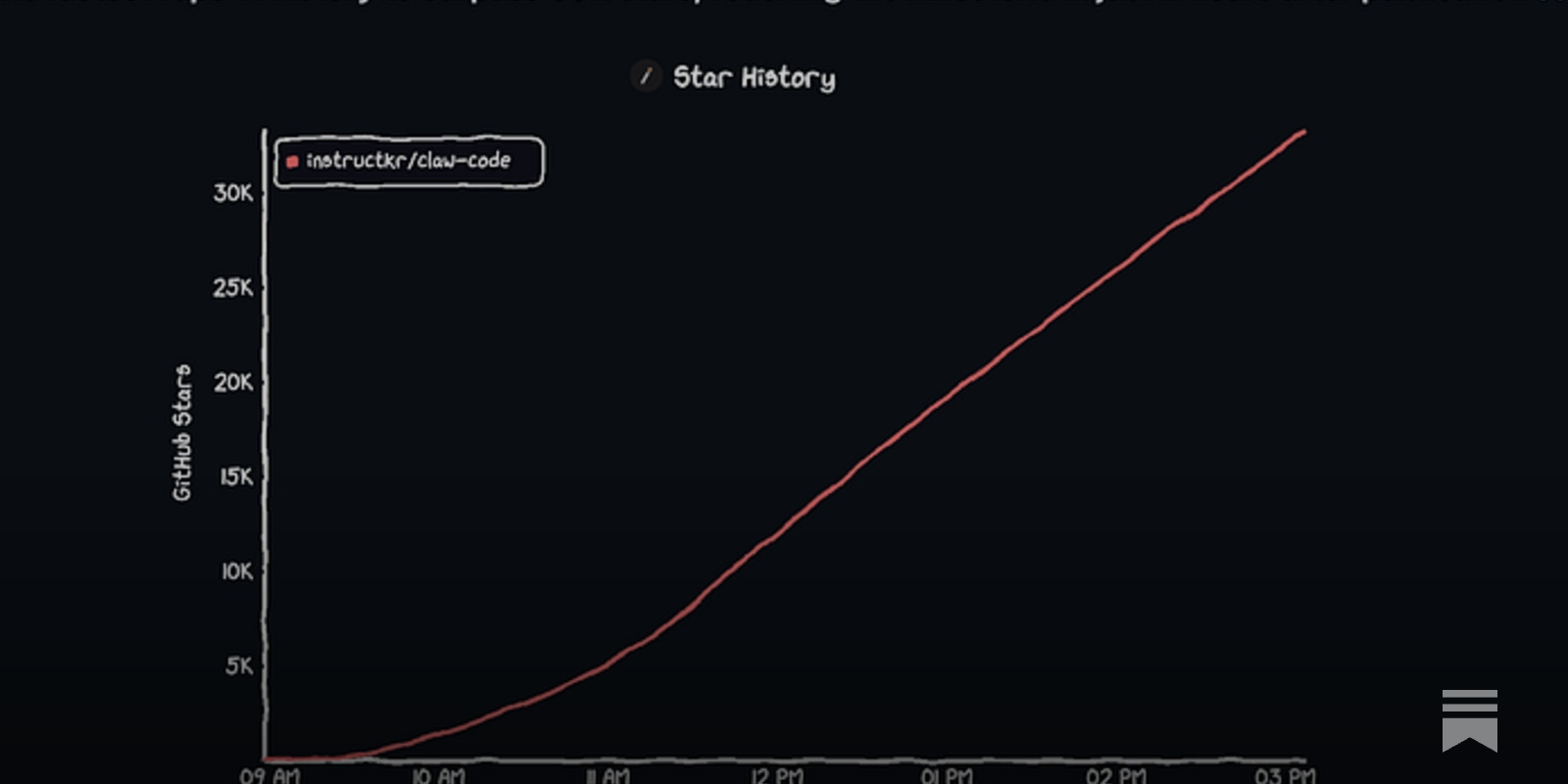
Diving into Claude Code's Source Code Leak
Engineer’s Codex is a publication about real-world software engineering.
The Art of Code - Dylan Beattie
Software Design is Knowledge Building
The product of software development is not code but a mental model, a theory: a specific way of explaining the world.

