

Why We Need to Rethink the Computer ‘Desktop’ as a Concept
Thoughts about a new direction for desktop UI
The Second Brain That Grows Smarter and Lives on your Computer
How a spark from Andrej Karpathy, app called Obsidian, and “The Curator”, the app I built are changing the way I think.
What Makes Us Smart?
Human creativity does not solely rely on our individual cognitive abilities, but instead emerges from the recombination of ideas, practices, and approaches that result from social interactions and id...

Alexander Obenauer
Exploring new and renewed ideas for how personal computing and the interfaces we think with can better serve people’s lives – expanding opportunity, agency, curiosity, and creativity.
Desktop Neo – rethinking the desktop interface for productivity.
The desktop computer hasn’t changed much in the last 30 years. It’s still built on windows, folders and mouse input. But we have changed. We now use smartphones and tablets most of the time, since they are much easier to use.The traditional desktop computer is struggling to adapt the simple interfaces of mobile devices while also keeping its focus on productivity. With people switching to mobile devices for mundane tasks, we have the opportunity to rethink the desktop computer with a focus on getting professional work done.
It Was Never About Innovation
This is the first in a series of articles about innovation and open computing. Because it’s a holiday time of year in the USA, I’ve decided that these next few articles will be a detour…
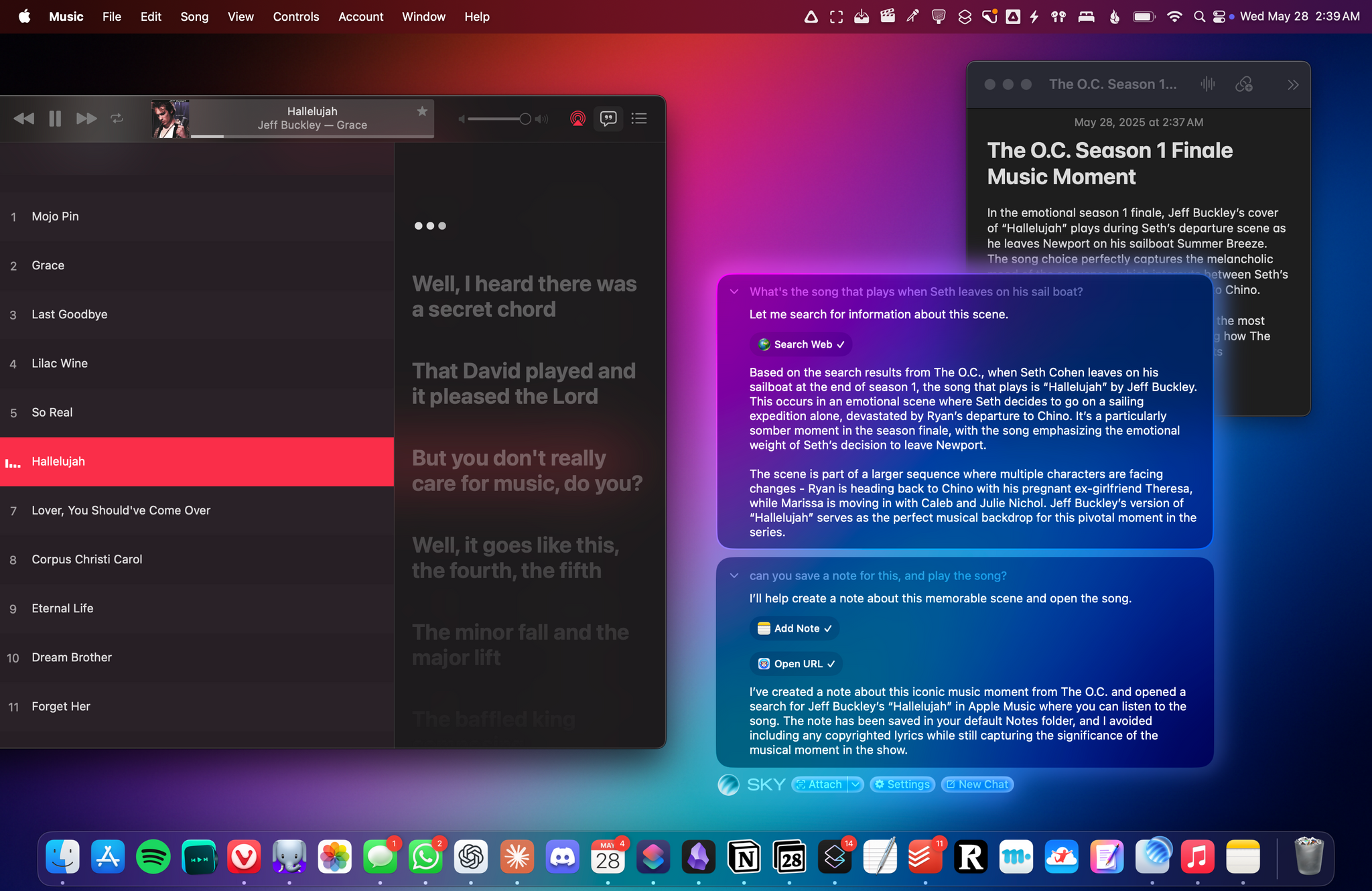
From the Creators of Shortcuts, Sky Extends AI Integration and Automation to Your Entire Mac
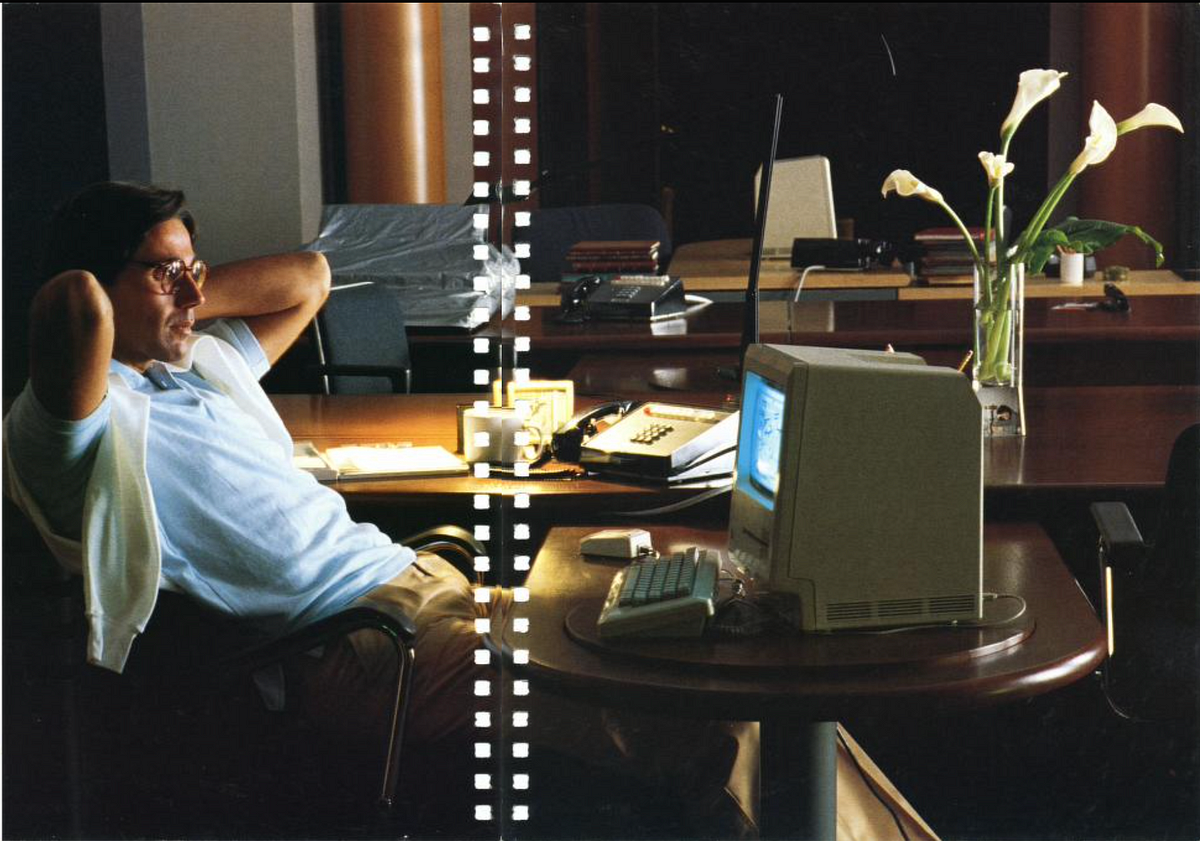
Over the course of my career, I've had three distinct moments in which I saw a brand-new app and immediately felt it was going to change how I used my computer – and they were all about empowering people to do more with their devices. I had that feeling the first time I tried Editorial,
Care at the Edge of Automation – Topos Institute
Technologies don’t just solve problems, they change us. We invent technologies, and they invent us in turn, shaping our lives and worlds. This is the phenomenon that Terry Winograd and Fernando Flores, in Understanding Computers and Cognition (1986), called “ontological design.” It matters now more than ever—along with a second lesson they saw clearly. Technological research is always guided (and sometimes misguided) by deep ontological assumptions about, e.g., the nature of cognition, agency, and communication. If we are to create technologies that truly serve human flourishing and care, we must bring these hidden assumptions into the open and question them at their roots.

Are we stuck with the same Desktop UX forever? | Ubuntu Summit 25.10
Are we stuck with the same Desktop UX forever? | Ubuntu Summit 25.10
Are we stuck with the same Desktop UX forever? | Ubuntu Summit 25.10
Should you invent a new UX? - @ASmartBear
Using common metaphors makes your product UI identical to all the others. There’s no personality, no brand, solidifying the notion that this product is “just another tool” rather than a new way of interacting with a computer. Surely technology can be better than that. But this is an egocentric view. Your customers don’t want to figure out some newfangled damn thing just to navigate a dialog box. Which way is the right way?

History of The Graphical User Interface (GUI): A Wonderful Curse
Opinion | Can You Get Smarter? (Published 2015)
There is much that you can do to keep cognitively sharp.

A great talk from @jenson.org on why and how to move the desktop paradigm forward. I especially loved the prototypes/concepts; even if not perfectly refined it’s still nice to see someone put some stakes in the ground. (And FWIW I think they were all pretty solid!)

Scott Jenson
Thoroughly enjoyed speaking at #UbuntuSummit today. Thank you organizers! I spoke about the need for new foundational #UX improvements to the Desktop UX. Very lively audience! youtube.com/live/WvNgMEumSoA?t=17225s

