

Excuse me but this is cult behavior. And as a scientist, I have no business joining a cult. These personalized insults and intolerance for criticism are not scholarly virtues however you cut it. I do not understand or relate to it. What is my worth as a scholar if I do not value evidence over faith?
Jun 12, 2025 at 7:02 AM
Effective Altruism Is a Dangerous Cult — Here's Why
Understanding the "Scientology of Silicon Valley." (7,700 words)
Why it’s as hard to escape an echo chamber as it is to flee a cult | Aeon Essays
First you don’t hear other views. Then you can’t trust them. Your personal information network entraps you just like a cult
On Merveilles
When old friends ask what I’ve been up to lately, I usually start by saying “Well, I joined a cult.” Which is a satisfying thing to utter in the moment because, objectively, it’s a more interesting answer than an asker of this mundane question has a right to expect. There is an additional layer of surprise involved for those who know me well, since I’m an inveterate non-joiner. But as a secret admirer of actual weird cults, it is on some level what I have longed to be able to say since I was audited with an actual e-meter in a Scientology tent.
Science rightly impinges on Virtue Ethics
Iris Murdoch, C. P. Snow, Alasdair MacIntyre, and the role of Truth
Jay Van Bavel, PhD on Twitter / X
I think it’s extremely unhealthy for any academic field to make it taboo to critique publications from senior or junior scholars or to critique certain popular methods. This makes the field worse or makes us look bad to people outside our field (including the public). It erodes…— Jay Van Bavel, PhD (@jayvanbavel) October 13, 2024
Agnotology : the making and unmaking of ignorance
viii, 298 p. : 24 cm; "This volume emerged from workshops held at Pennsylvania State University in 2003 and Stanford University in 2005"--P. vii; Includes bibliographical references and index

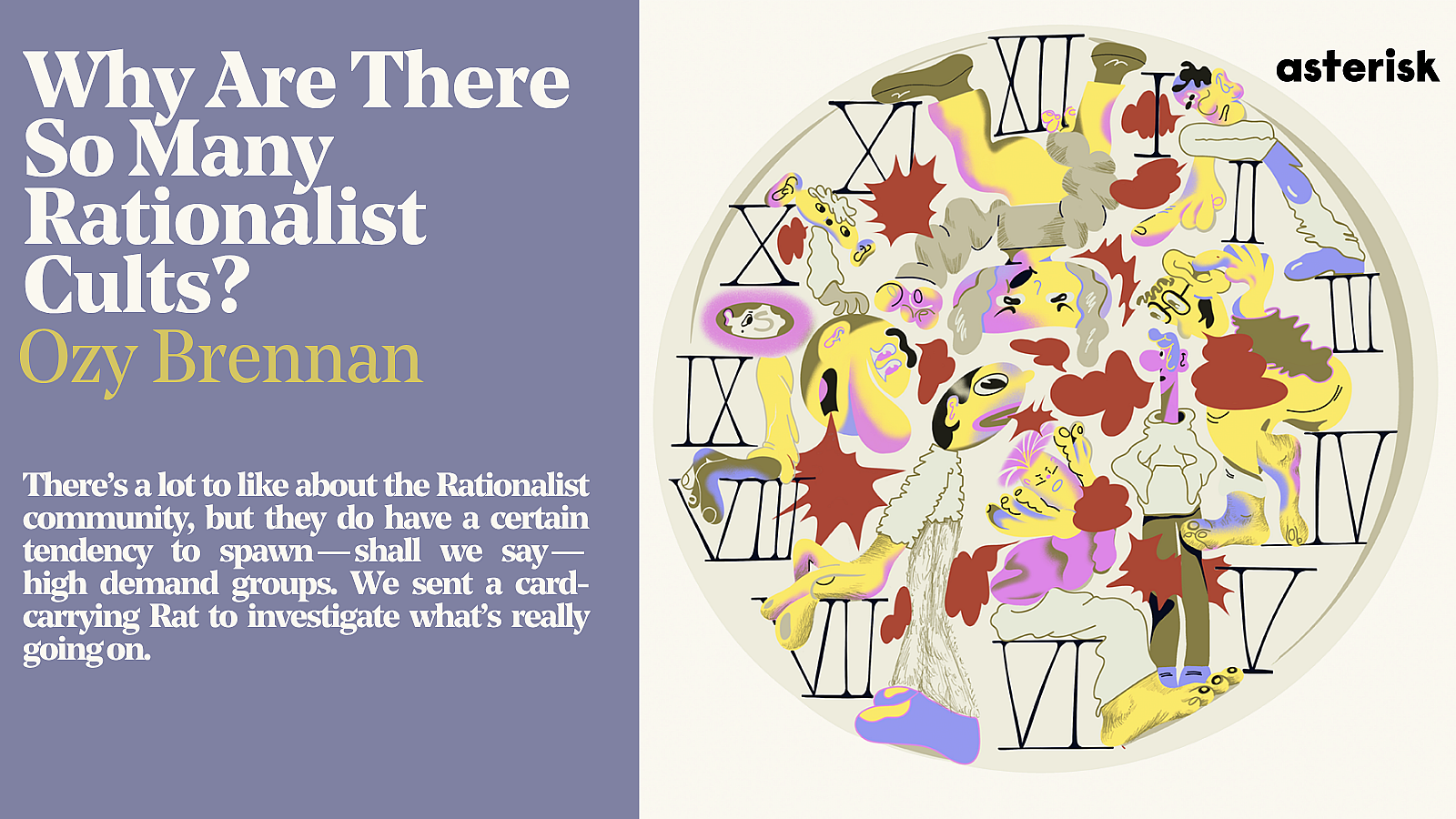
Why Are There So Many Rationalist Cults?
There’s a lot to like about the Rationalist community, but they do have a certain tendency to spawn — shall we say — high demand groups. We sent a card-carrying Rat to investigate what’s really going on.
The Honest Case for the Humanities
Or: Why I’m Tired of My Colleagues Making Arguments That Only Work on Us

Scientific institutions have a long history of anticipatory obedience
Societies should learn from this and speak up to support inclusion
Breaking the silence
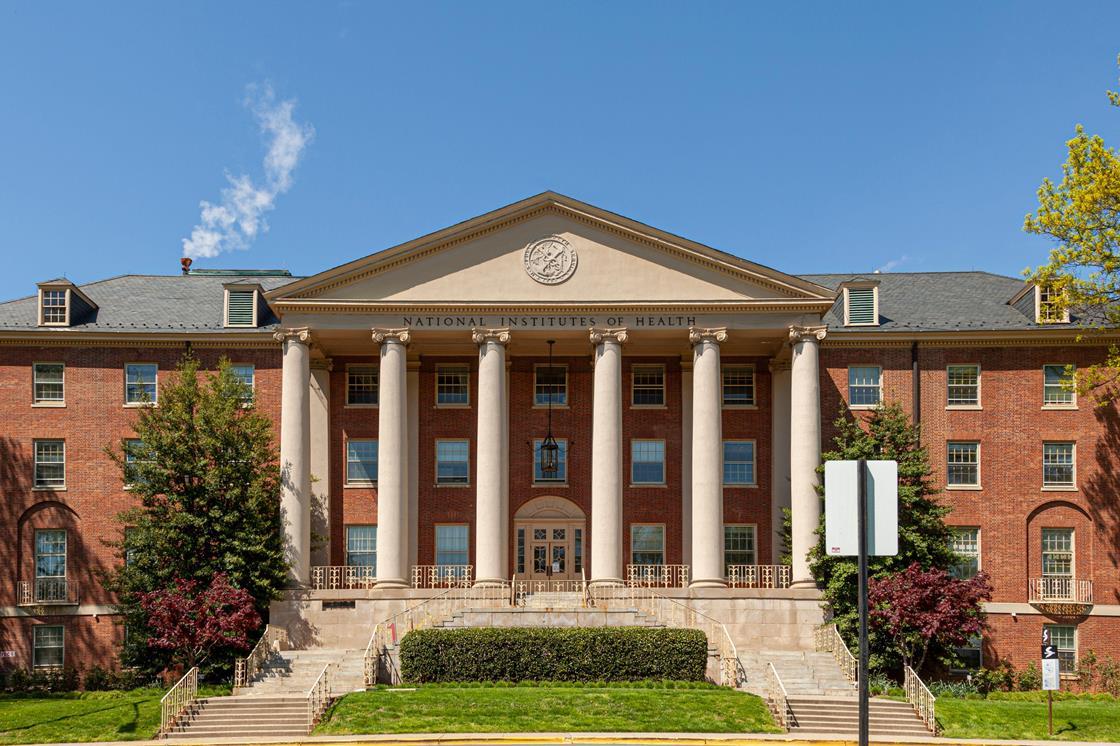
Research on science communication has largely focused on teaching scientists how to describe their studies in ways that interest the public while deepening their understanding of scientific exploration. However, there is another, often overlooked side to science communication—how scientists respond when questions arise about the integrity of their research. Often, the tendency has been to stay silent and wait for any controversy to pass or be resolved in professional forums. But in an age of growing, intense attacks on science, silence can be detrimental to both public trust and the careers of scientists who are under scrutiny. For better or worse, journalists, social media professionals, and the public may take a response of “no comment” as a concession that the critics are correct, so forthright communication about research questions is more urgent than ever.

Sciences perceived as precise and consensual are more trusted
Research focused on the United States shows that people’s trust in science varies considerably between disciplines. Existing explanations of these trust gaps stress the role of ideology: when people perceive scientists of a particular discipline to be ideologically like-minded, they tend to trust them more. Here, we report two findings: first, trust gaps between disciplines also exist in France—a representative sample of the French population (N = 1012) trusted researchers in biology and physics more than researchers studying climate science, economics, or sociology. Second, the more precise and consensual participants perceive scientific findings to be, the more they tend to trust the scientists (across and within disciplines). While these findings are correlational, they align with a non-ideological explanation of trust in science: the rational impression account. This account proposes that people can come to trust scientists by relying on basic cognitive inference processes, which tend to be generally rational.

What Policymakers and the Public Need to Know About the Cult of AI
Nathalie Maréchal asks, why are we betting the economy and the future of democracy on cult-like beliefs?
Becoming a stranger in my own field
There is a difference between making scientific work more accessible and changing what institutions recognize as valuable scientific work.

Some researchers, including some I very much respect, think that we need to stop pussyfooting around and start being more brutal in our way of talking about bad work in our field I disagree. When you are refuting someone’s work, I think it’s important not to be a dick about it
I am disappointed by the fact that so many seem tempted to share a "nonrigorous", unserious attempt at quantifying fraud in science because it passes some silly vibe check ("I asked others and they agree"). So in the name of good science, we're ready to produce bad science as a rhetorical tool.


