

There are new and specific numbers in this story, so it’s worth reading. I continue to resent the lack of credit to Nick Schwellenbach at @pogo.org, Dan Friedman at @motherjones.com, and me, who have previously reported every other aspect of this story, including that the sale prices were very high.
Oct 4, 2026 at 12:10 PM
USA Today CEO Says Higher Pricing Strategy Working, Micropayments Showing ‘Interesting’ Results
USA Today Co.’s push to get readers paying higher prices for journalism is working and despite a nearly one-third drop in its…

Why Questions Matter in Selling – A Synopsis of SPIN Selling by Richard Young - SalesPOP!
Neil Rackham's SPIN Selling is a game changing book. Here are his top sales techniques in a "cheatsheet" summary -- Get started immediately.
#18 Episode - Simplifying the Safe
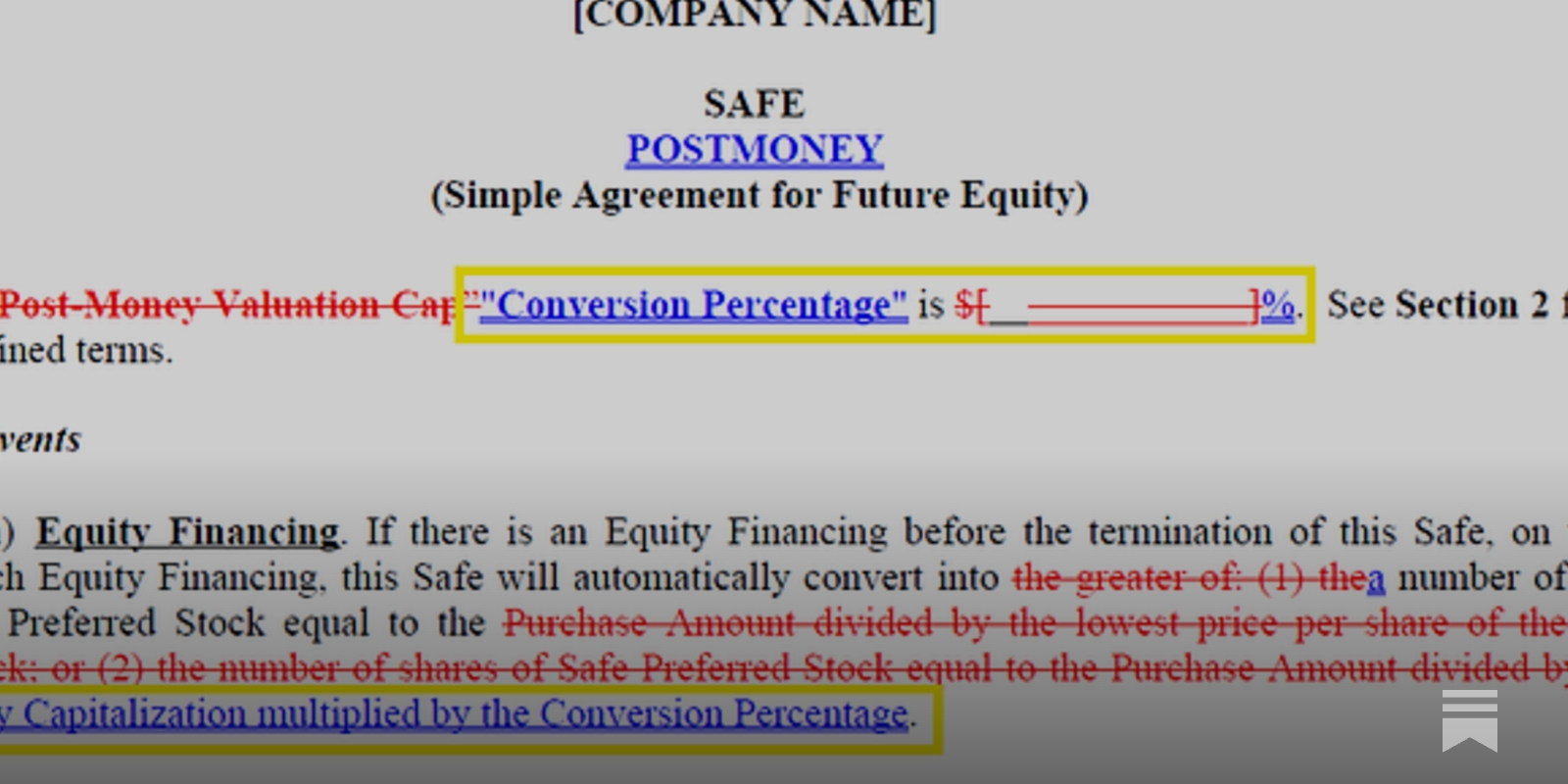
Remove the Valuation Cap and Discount. Replace it with a Conversion Percentage (%).
Life for Sale
Life for Sale is a 1968 novel by Yukio Mishima. It was first serialised in twenty-one parts in the weekly magazine Weekly Playboy between 21 May 1968 and 8 October 1968. It was published in hardcover format by Shueisha on 25 December 1968. It was published in paperback by Chikuma Bunko on 24 February 1998. It was translated into English by Stephen Dodd and published in paperback in the United Kingdom by Penguin Classics on 1 August 2019. The English translation received a wider release in paperback by Vintage International on 21 April 2020.

Marketplace - Business News & Economic Stories for Everyone
Marketplace raises the economic intelligence of the country through the unorthodox story, casual conversations and unexpected angles on the news.
A Model of Mental Accounting and Reference Price Adaptation
Consumers possess a mental account that stores the worth of items purchased and yet to be consumed. Reference prices act as the book values of these items. Movements in the account—the comparison between the reference price and the price paid at entry, and the comparison between the benefit of consumption and the reference price at exit—yield hedonic benefits. The reference price is determined by a psychological process of adaptation to the price evoked by the trade. The model is integrative in that it explains a wide array of observed anomalies such as sunk-cost effects, payment depreciation, reluctance to trade, preference for prepayment, and the flat-rate bias. The model also generates new testable implications. This paper was accepted by James Smith, decision analysis.

Kraft Heinz, the U.S. Budget, and Big Stock Losses Feature in Warren Buffett’s Letter (Published 2019)
The market rout late last year and losses at Kraft Heinz hurt Berkshire’s profits. Mr. Buffett also talked about his appetite for huge deals and the U.S. budget deficit.

The Everywhere Millionaire: Who Is Really Rich in America and How They Got There
From two leading economists comes a groundbreaking new portrait of the hidden fortunes of Main Street business owners—ordinary Americans who built extraordinary wealth and are quietly rewriting the rules of money and power. Most people think the path to great wealth runs through Wall Street or Silicon Valley. We’re told you must be a Zuckerberg, a Musk, or a Jamie Dimon to get rich. But this story is wrong. Drawing on unprecedented data from a decade of research and vivid real-life stories of entrepreneurs—from a self-made hot-dog stand billionaire to the heirs of an auto dealer—Zidar and Zwick reveal a surprising truth: prosperity is more attainable, more widely distributed, and closer to home than we imagine. A multitude of Americans have built staggering fortunes by running often unglamorous businesses far from the spotlight. A quiet revolution in the business world—the rise of “pass-through” firms like S-corporations and partnerships—supercharged this wealth, channeling vast income directly to business owners rather than traditional corporations.Part economic detective story, part roadmap to riches, this book reveals: —The Hidden 1%: They might be a local beer distributor, a dentist with a regional network of practices, a commercial HVAC contractor with trucks around town, or a restaurateur who keeps opening new locations. For every public company CEO, more than a thousand private business owners each have transformational wealth.— The Blueprint for Wealth: Zidar and Zwick describe where Main Street Millionaires come from, how they grew rich, and how much money they make. Their stories suggest the American Dream is not dead and many paths to prosperity remain open today. — Power Brokers: Armed with their fortunes, Main Street Millionaires wield power in city halls, statehouses, and Washington, often bending policy to protect what they’ve built. They are both growing the economic pie and grabbing bigger slices for themselves.The Everywhere Millionaire celebrates the stories of entrepreneurs who seized opportunities while asking hard questions about how concentrated wealth and power shape society. It is an essential guide to seeing the economy as it really is and recognizing the surprising paths to prosperity—and influence—everywhere.

Debunking the science of advertising
We delve into the world of advertising, worth hundreds of billions of dollars annually, to find out if it's really even that effective. A collection with 3 stories from The Correspondent.

Jim Prosser on Twitter / X
Ask: "I've got $12,000 spread across three credit cards racking up interest. What can I do?"Agent: Calculates interest costs, checks hardship options/balance transfer offers, drafts requests to issuers, and builds a realistic repayment schedule.— Jim Prosser (@jimprosser) October 8, 2026
Profit, cost, price, learned societies; further thoughts on Samuel A. Moore's Publishing Beyond the Market
Since I last wrote, I have had a few more thoughts on Samuel Moore’s book. Again, these are not necessarily things that he does not discuss or things that he should have discussed. They are merely thoughts that occurred to me in response to reading his work.

I still can't quite believe this story, but I've researched it first hand and yeah, it's true. I don't know what was going on in that executive's head to make them believe they wouldn't be caught doctoring engagement numbers on their homepage. blog.elenarossini.com/w-social-fictional-metrics-an…

W Social, Fictional Metrics and the Beauty of Open Data
blog.elenarossini.com

