

I don't know that there is a definitive line to cross that makes you say, "I live in a police state now" but when masked gunmen can routinely brutalize the public, citizen or immigrant alike, with impunity, you have reached that point.

Chris Ingraham
Kavanaugh stops in action: ICE tackled a non-verbal kid near his school, left him with injuries requiring surgery, and then left the scene when they realized he wasn't the person they were looking for independent.com/2026/10/23/ice-detains-specia…
Oct 26, 2026 at 1:56 PM
State Capacity of Secret Surveillance
The state capacity-civil society tradeoff model tends to treat the “state” and “civil society” as separate entities who move to constrain one another. However, this modeling technique leaves out the nuances of individual action within a collective setting by treating each as a relative black box. This article explores this balance in the context of the surveillance state that has arisen in the 20th and 21st century. As state capacity in surveillance increases it better allows the state to respond to threats to citizens from citizens. However, the increased capacity also lessens the ability of societal pressure to check authoritarian advances even in a nation with a thriving civil society presence.
State Capacity of Secret Surveillance
The state capacity-civil society tradeoff model tends to treat the “state” and “civil society” as separate entities who move to constrain one another. However, this modeling technique leaves out the nuances of individual action within a collective setting by treating each as a relative black box. This article explores this balance in the context of the surveillance state that has arisen in the 20th and 21st century. As state capacity in surveillance increases it better allows the state to respond to threats to citizens from citizens. However, the increased capacity also lessens the ability of societal pressure to check authoritarian advances even in a nation with a thriving civil society presence.
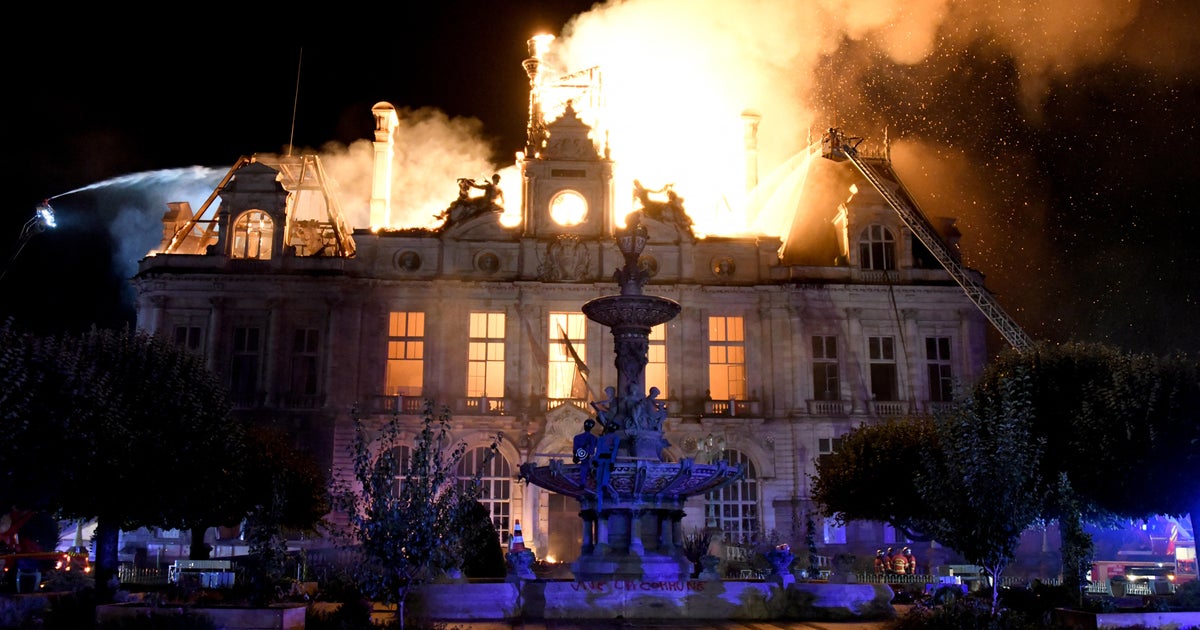
French police arrest more than 1,800 people after violent protests erupt across country
Authorities said masked groups on Saturday set fires and attacked public buildings, including city halls, in several cities.
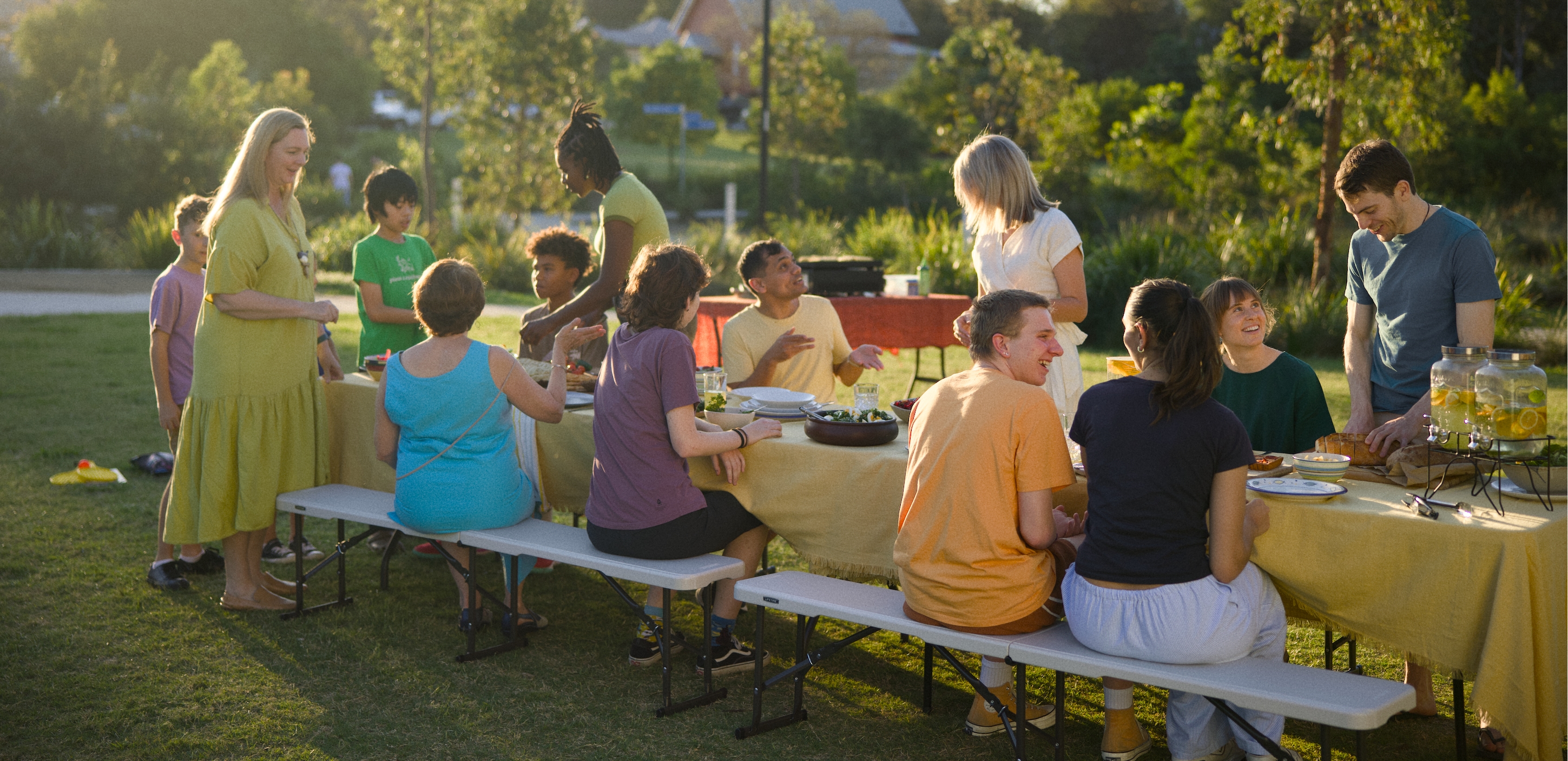
Community Safety - Platform | The Australian Greens
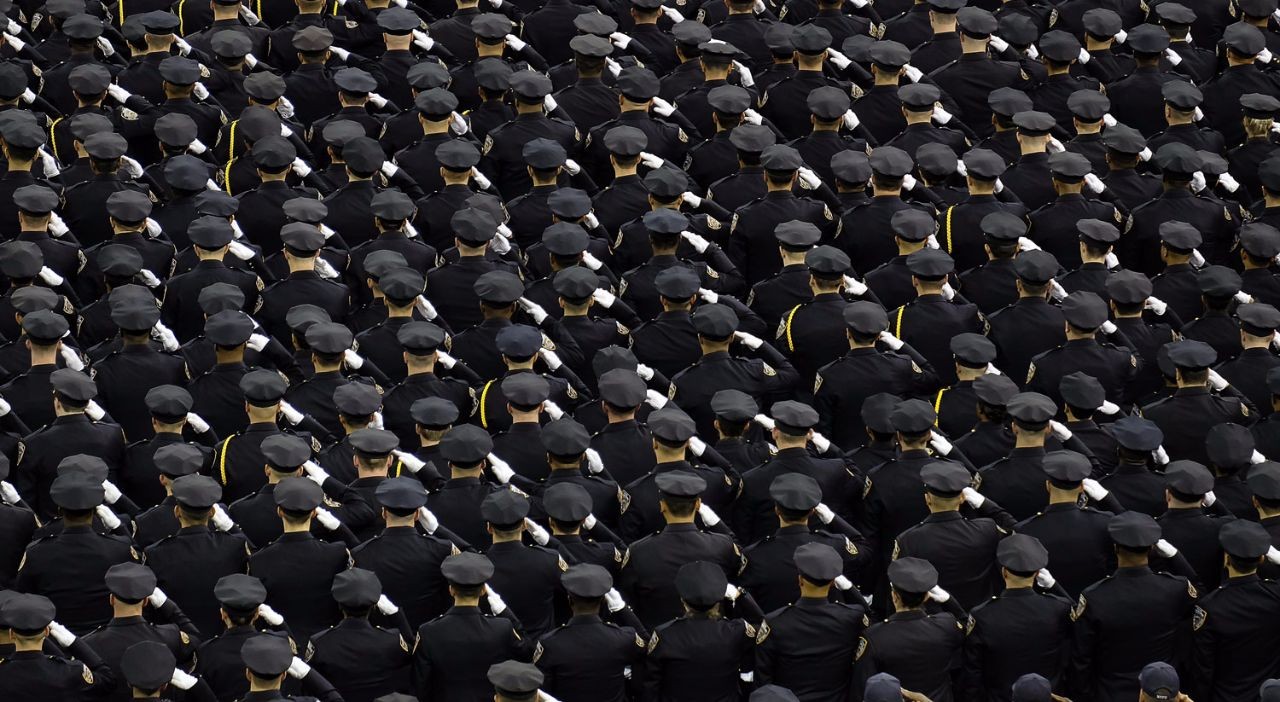
Labor and the Liberals' approach to crime clearly isn't working. Despite Victoria having more police than any other state, people don't feel any safer. We need a different approach.
It's Safer in the Front
Faced with intensifying repression and state violence, there is an understandable inclination to seek safety by avoiding confrontation. But this is not always the most effective strategy.

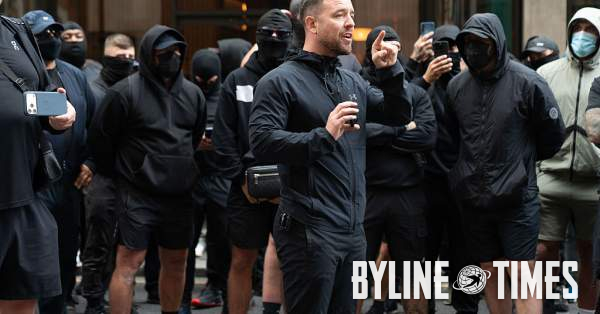
The Reform Councillors Embedded in Britain’s Masked 'Patriot' Anti-Migrant Network
A Reform councillor and campaign co-ordinater urged his followers to join and support the masked group
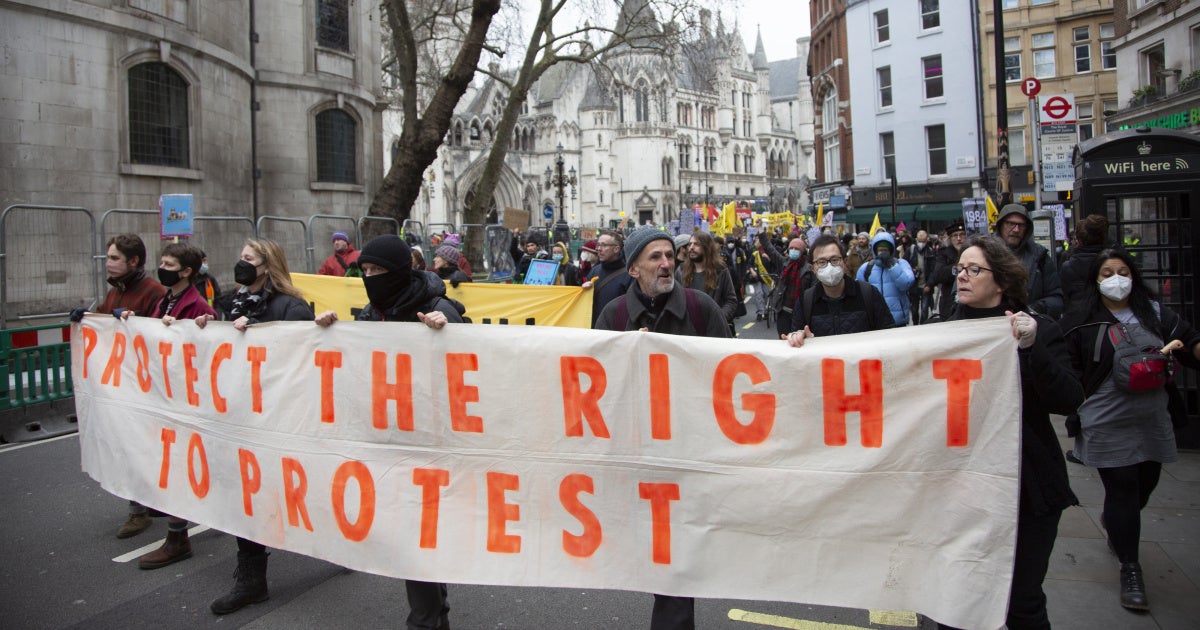
Silencing the Streets
The 47-page report, “‘Silencing the Streets’: The Right to Protest Under Attack in the UK,” documents that the UK’s Labour government has failed to reverse sweeping anti-protest laws introduced by the previous Conservative government. Instead, Labour has attempted to expand them with the Crime and Policing Bill 2025 and through the unprecedented misuse of terrorism legislation to target and criminalize peaceful protest. The Crime and Policing bill, pending before parliament, is to be debated in the House of Lords in January 2026.
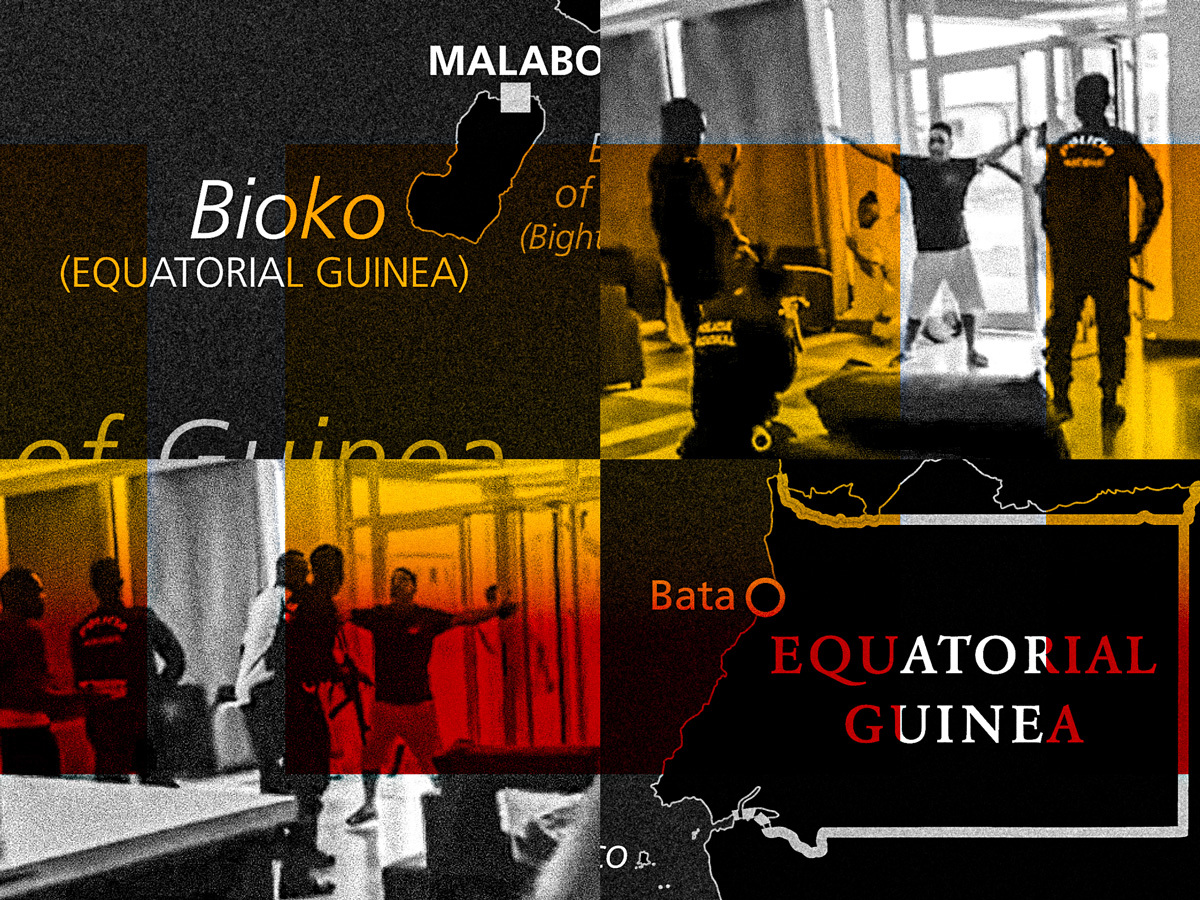
‘Shoot Him!’: Police Threaten Third-Country Nationals Imprisoned in African Hotel
‘I’m fighting for my life,’ said Ahmed Soliman after the latest in a string of abusive incidents in Equatorial Guinea, where ICE expelled him five months ago.
Caught In The Crackdown: As Arrests At Anti-ICE Protests Piled Up, Prosecutions Crumbled
This story was originally published by ProPublica and Frontline. Republished under a CC BY-NC-ND 3.0 license. The National Guard soldiers in desert camo piled out of unmarked vans in East Los Angel…

When police pull back: Neighborhood‐level effects of de‐policing on violent and property crime, a research note
Abstract Many U.S. cities witnessed both de‐policing and increased crime in 2020, yet whether the former contributed to the latter remains unclear. Indeed, much of what is known about the effects of proactive policing on crime comes from studies that evaluated highly focused interventions atypical of day‐to‐day policing, used cities as the unit of analysis, or could not rule out endogeneity. This study addresses each of these issues, thereby advancing the evidence base concerning the effects of policing on crime. Leveraging two exogenous shocks presented by the onset of the coronavirus 2019 (COVID‐19) pandemic and social unrest after the murder of George Floyd, we evaluated the effects of sudden and sustained reductions in high‐discretion policing on crime at the neighborhood level in Denver, Colorado. Multilevel models accounting for trends in prior police activity, neighborhood structure, seasonality, and population mobility revealed mixed results. On the one hand, large‐scale reductions in stops and drug‐related arrests were associated with significant increases in violent and property crimes, respectively. On the other hand, fewer disorder arrests did not affect crime. These results were not universal across neighborhoods. We discuss the implications of these findings in light of debates concerning the appropriate role of policing in the 21st century.

The Most Violent Police Force in Europe: Police Brutality in France — The World Mind
Contributing Editor Aaron Shires explores the rise in excessive use of force by French police forces and the disparate impact this has on racial minorities in France.

Predictive Policing and the Politics of Patterns
Abstract Patterns are the epistemological core of predictive policing. With the move towards digital prediction tools, the authority of the pattern is rearticulated and reinforced in police work. Based on empirical research about predictive policing software and practices, this article puts the authority of patterns into perspective. Introducing four ideal-typical styles of pattern identification, we illustrate that patterns are not based on a singular logic, but on varying rationalities that give form to and formalize different understandings about crime. Yet, patterns render such different modes of reasoning about crime, and the way in which they feed back into policing cultures, opaque. Ultimately, this invites a stronger reflection about the political nature of patterns.

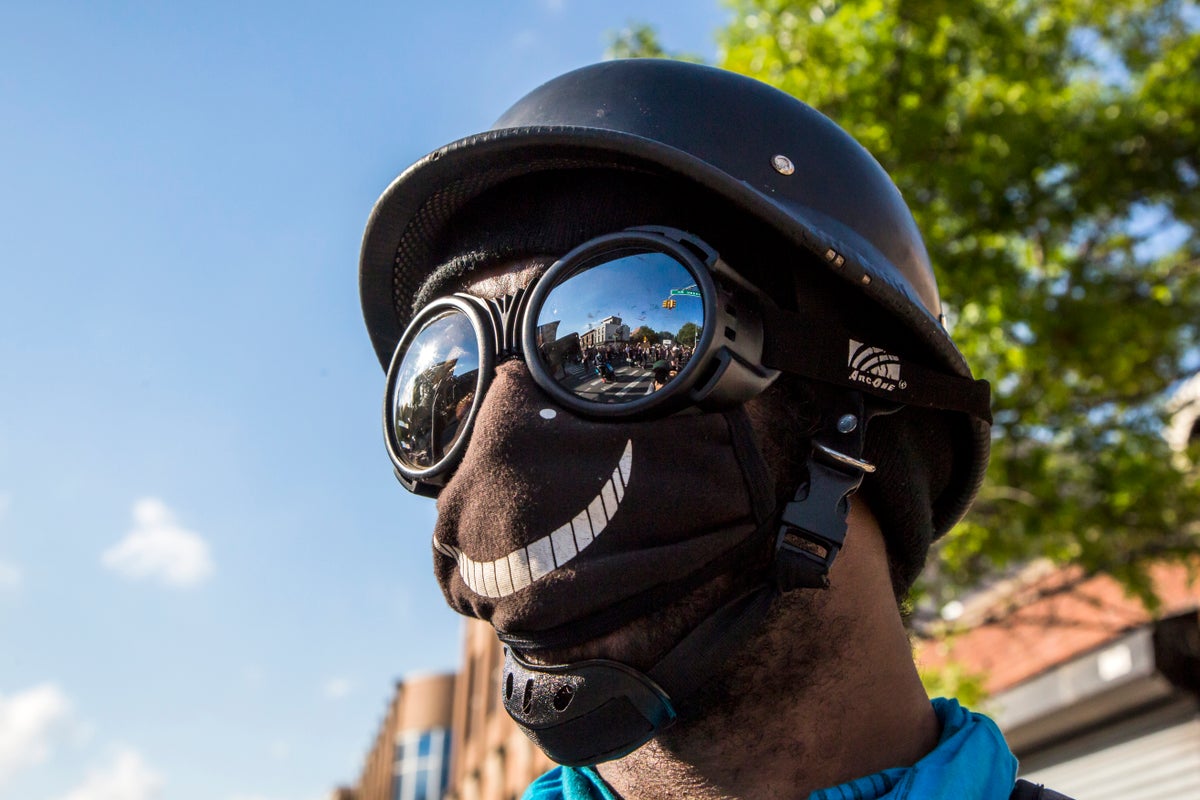
How to Protect Yourself during Protests
Demonstrators face tear gas, flash bangs, coronavirus and surveillance
How You Start is How You Finish? The Slave Patrol and Jim Crow Origins of Policing
Though history books may say otherwise, policing in the United States has its roots in the slave patrols in the South. The institution of policing, and the larger justice system, must reconcile its past to evolve away from its racist roots.


