

tfw @aaronstevenwhite.io brings an analysis as sharp as a knife to your half-baked Saturday-morning thoughts: aaronstevenwhite.leaflet.pub/3miwsz2hdv22i 🤯 If we're going to own our data, let's actually own our data. Which is to say: No, really, y'all, we're doing this. 💖🧠

Machine-readable attitudes - Computational Semantics++
aaronstevenwhite.leaflet.pubApr 7, 2026 at 10:57 PM
Permissioned Data Diary 4: The Big Picture - Daniel's Leaflets
A special edition of the data diary that sketches out the rough shape of where we're heading.
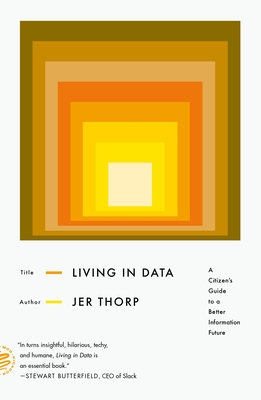
Living in Data: A Citizen's Guide to a Better Information Future (Paperback)
Jer Thorp’s analysis of the word “data” in 10,325 New York Times stories written between 1984 and 2018 shows a distinct trend: among the words most closely associated with “data,” we find not only its classic companions “information” and “digital,” but also a variety of new neighbors—from “scandal” and “misinformation” to “ethics,” “friends,” and “play.”To live in data in the twenty-first century
Data, Democracy and Dirty Tricks
Who Even Cares About Data Ownership Anyway? - What The Function!?
Taking a look at a concept that's been talked a lot over the last few years, especially in the context of social media
Who Even Cares About Data Ownership Anyway? - What The Function!?
Taking a look at a concept that's been talked a lot over the last few years, especially in the context of social media
The new way we’ll do science
Papers should become human-readable views over a graph of data, tools, results, and certificates.
The Consensus Trap: Dissecting Subjectivity and the “Ground Truth” Illusion in Data Annotation
As part of the Digital Library's transition to Open Access, new features for researchers are available in the Premium Edition. Click here to learn more.

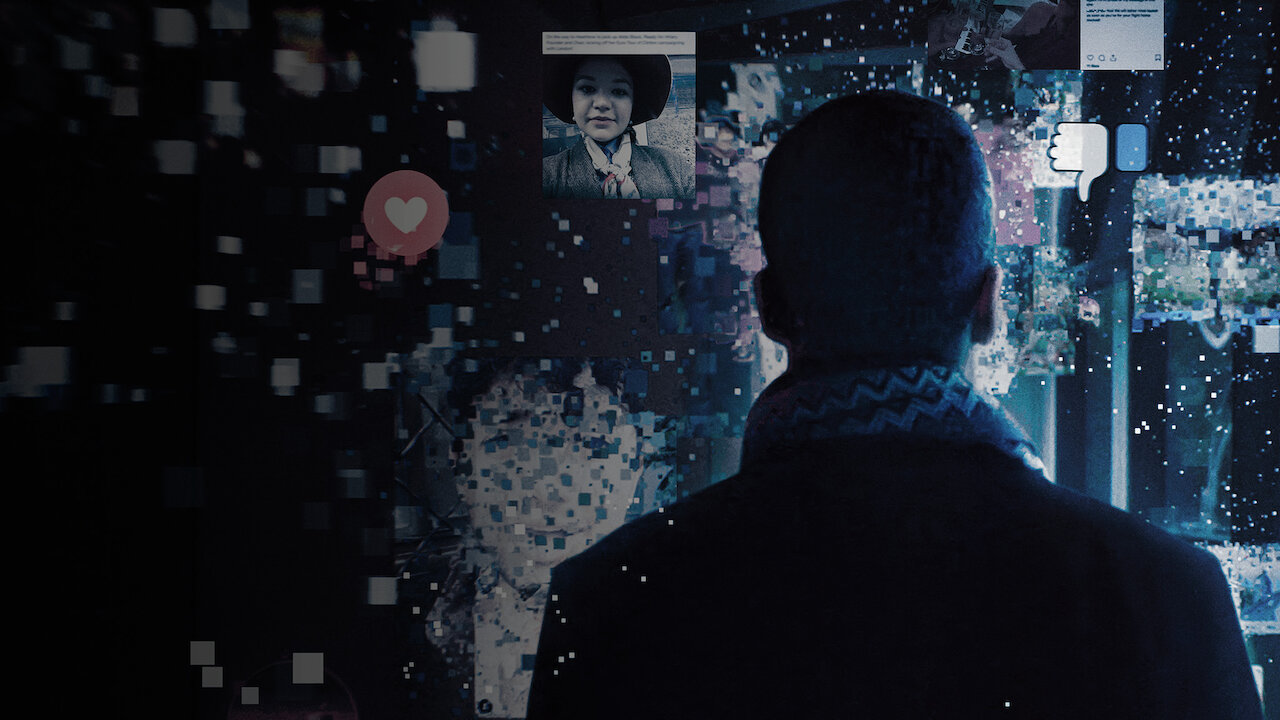
Watch The Great Hack | Netflix Official Site
Explore how a data company named Cambridge Analytica came to symbolize the dark side of social media in the wake of the 2016 U.S. presidential election.
Facebook–Cambridge Analytica data scandal
The data was collected through an app called "This Is Your Digital Life", developed by data scientist Aleksandr Kogan and his company Global Science Research in 2013.[2] The app consisted of a series of questions to build psychological profiles on users, and collected the personal data of the users' Facebook friends via Facebook's Open Graph platform.[2] The app harvested the data of up to 87 million Facebook profiles.[2] Cambridge Analytica used the data to analytically assist the 2016 presidential campaigns of Ted Cruz and Donald Trump.[3][4] Cambridge Analytica was also widely accused of interfering with the Brexit referendum, although the official investigation recognised that the company was not involved "beyond some initial enquiries" and that "no significant breaches" took place.[5][6]

datasetpapers — a public research experiment
An experimental approach to versioned, forkable, machine-readable analyses. A prototype, not a product or service.
datasetpapers — a public research experiment
An experimental approach to versioned, forkable, machine-readable analyses. A prototype, not a product or service.
B-Sides: Permissioned data is a love triangle - Nick's Blog
This is a B-sides post with unpolished thoughts that didn’t make it into the main article.
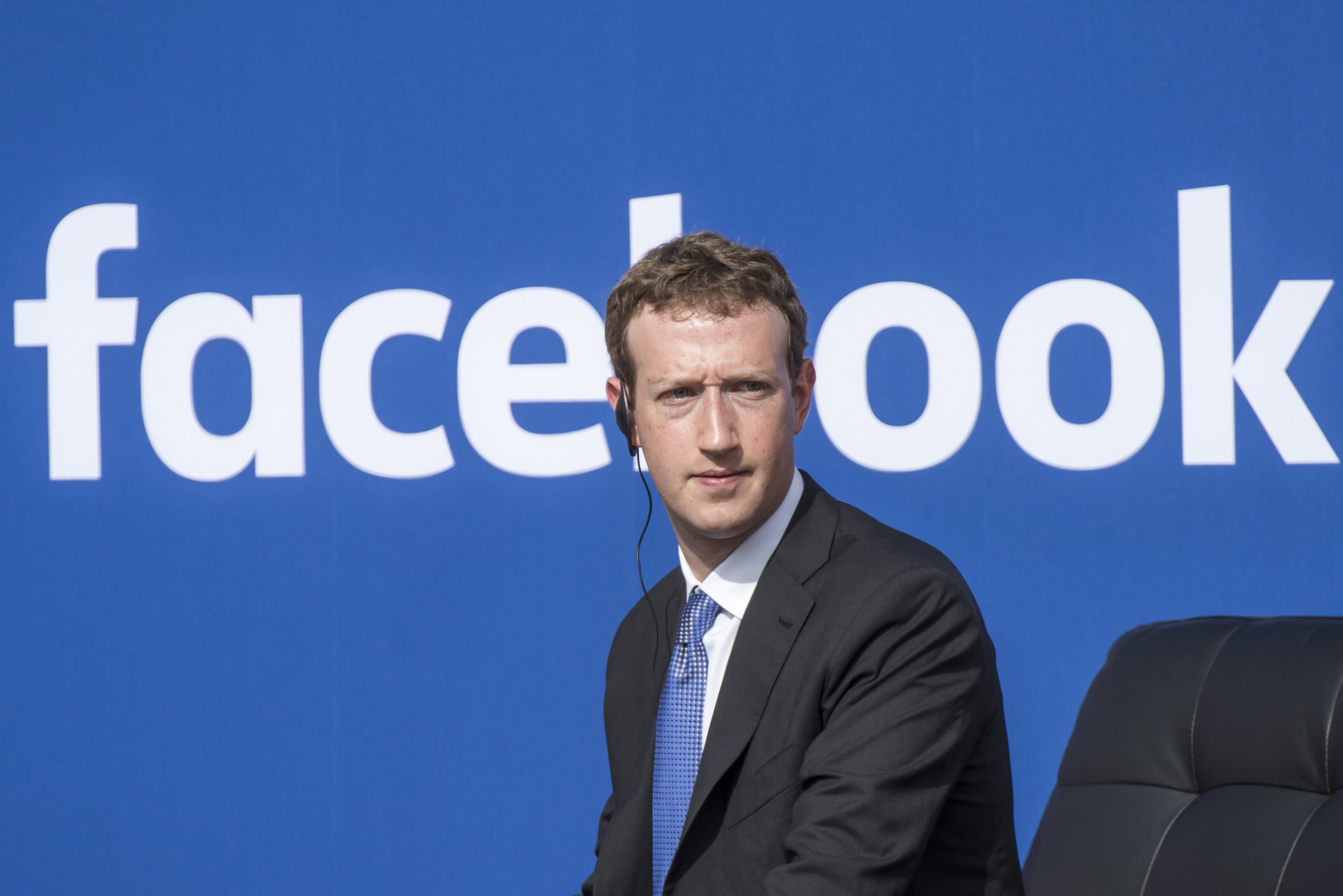
Facebook-Cambridge Analytica: A timeline of the data hijacking scandal
Facebook is desperately trying to mend its damaged reputation following the continued fallout of a massive data scandal.
Data, Democracy and Dirty Tricks
Watch all of Channel 4 News' investigations into both Cambridge Analytica - the British data firm linked to Trump's win - and the Brexit campaign.
🚨Free data alert!! 🚨 Please share. Large new dataset of Amazon product reviews, including full text and photos and product characteristics, with individual *reviews labeled as fake reviews*. I believe this is the first publicly available data of this kind. github.com/bretthollenbeck/fake-reviews-…

