

@dholms.at can we fix that? iirc the rate limit headers RFC allows them on all responses? (Though obviously caching GET at CDN might skew things)

alice
i love services that are rate limited but also do not publish their rate limits in headers i'm looking at you plc.directory
Jun 20, 2026 at 2:17 AM
We just shipped support for the ugliest part of HTTP: Vary
Vary support is now available in Cache Rules on every plan. You can normalize known negotiation headers, pass exact values through to the origin when those small differences matter, or bypass cache when the variation is too unpredictable.

RFC - Request for comments
RFC - Request for comments
RFC - Request for comments
RFC - Request for comments
RFC - Request for comments
Rate Limiting with NGINX – NGINX Community Blog
One of the most useful, but often misunderstood and misconfigured, features of NGINX is rate limiting. It allows you to limit the amount of HTTP requests a user can make in a given period of time. A request can be as simple as a GET request for the homepage of a website or a POST request on a log‑in form.

User-Agent header - HTTP | MDN
The HTTP User-Agent request header is a characteristic string that lets servers and network peers identify the application, operating system, vendor, and/or version of the requesting user agent.

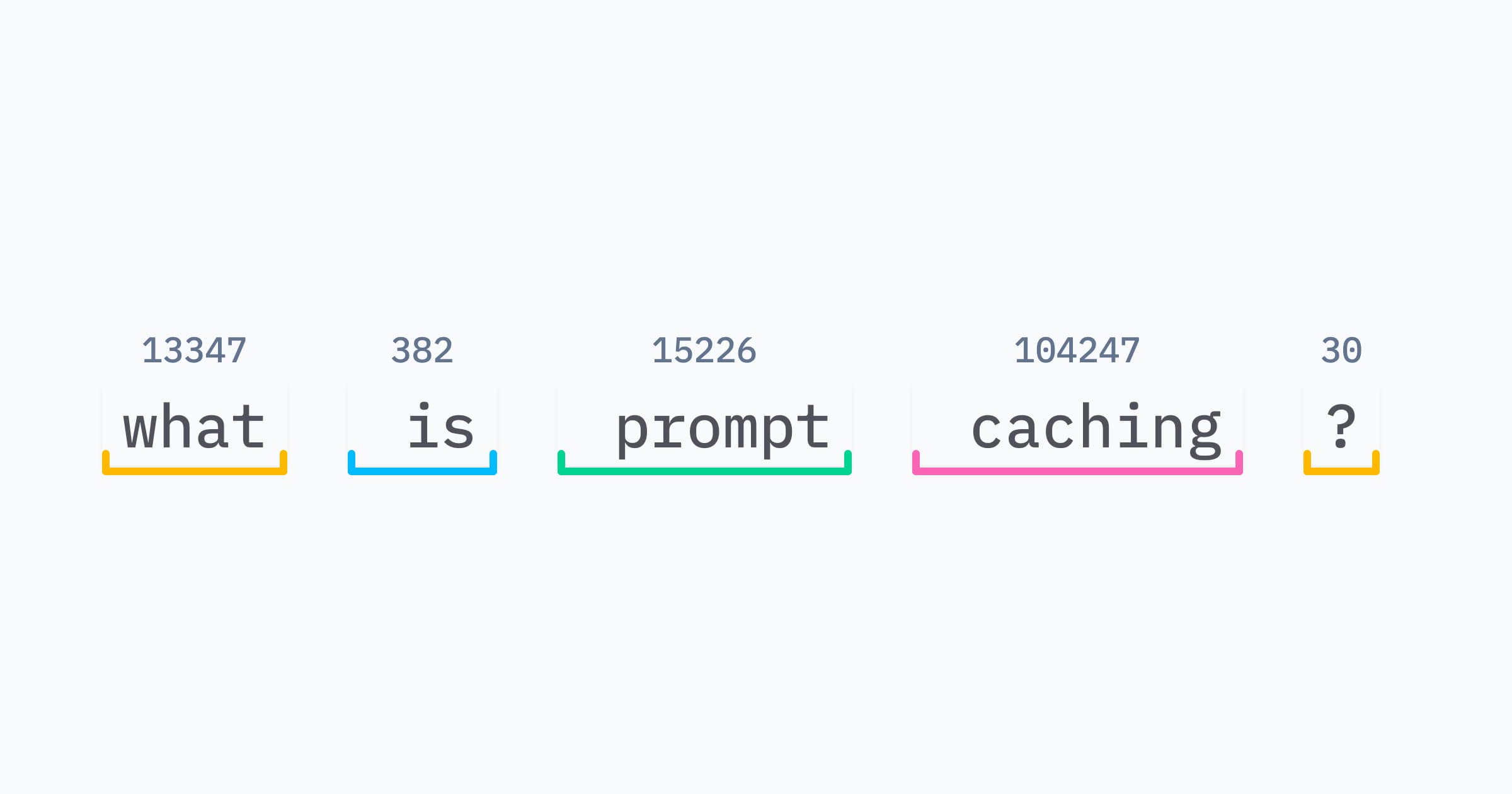
Prompt caching: 10x cheaper LLM tokens, but how? | ngrok blog
A far more detailed explanation of prompt caching than anyone asked for: how tokens, embeddings, and attention make cached LLM tokens 10x cheaper and faster.
rfcs/atproto/001-private-content.md at main · knasher/rfcs
Technical RFCs and design proposals for protocols and systems - knasher/rfcs
AT Protocol Primer
What is the AT Protocol and why does it matter in the grand scheme of the web

The AT-URI Syntax Mess - at:// pizza thoughts
Why AT URIs are not valid under IETF RFC-3986, what the impact is, and some possible ways forward.
How to Read an RFC
Requests for Comments (RFCs) are how we specify many protocols on the Internet. These documents are alternatively treated as holy texts by developers who parse them for hidden meanings, then shunned as irrelevant because they can’t be understood. This often leads to frustration and – more significantly – interoperability and security issues. However, with some insight into how they’re constructed and published, it’s a bit easier to understand what you’re looking at.

random atproto sync notes - for whole-network backfill, you have to spread your `getRepo` requests across PDS hosts to get reasonable throughput, so it's a scheduling problem. it's also a spec-SHOULD to make these requests directly to your upstream (not PDSes directly) and follow its redirects.
I hope @dholms.at or someone else at @bsky.app considers this before it's too late and ACLs are baked into the protocol.

Authority as Possession: Permissioned Spaces Deserve Better Than ACLs
leaflet.pubI wonder if atmospheric websites (websites were most or all of their content is natively stored on the AT protocol) would alleviate this because there are so many places to get the content that aren’t just the website

Kuba Suder 🇵🇱🇺🇦
If you run a blog, website, other publicly readable web thing: do you have any kind of noticeable LLM scraper bots problem (i.e. ongoing huge number of bot requests that you have to fight with)? If you do, what is it that you run and that they're requesting (and how are you defending)?


