

I spot a GDPR violation! GDPR, Art. 17 Right of Erasure, ensures that EU residents can request removal of their data from a service provider, especially if that service based in Europe and there is no regulated reason for retention (e.g., financial regulations)

Z4NG3
Ohne Validierung meines Accounts, da ich meinen Perso nicht mit wsocial teilen möchte, kann ich meinen Account gar nicht löschen. Lediglich deaktivieren ist möglich.
Jun 21, 2026 at 6:17 PM
GDPR: Why We Stopped Selling Stuff to Europe - Brent Ozar Unlimited®
Update 2021-03: We now sell our training classes worldwide here. The EU’s new General Data Protection Regulation (GDPR) is a set of rules that give consumers rights about how their data is stored, used, and deleted. This step-by-step GDPR guide for managers is a great place to start understanding it, or for something a little […]

GDPR is a failure
I made 20 GDPR data deletion requests in the past year. 2 complied immediately. 6 complied after I filed complaints with data protection offices. 12 still haven't. The regulation exists, the enforcement doesn't.
Operationalizing the Legal Principle of Data Minimization for...
Article 5(1)(c) of the European Union's General Data Protection Regulation (GDPR) requires that "personal data shall be [...] adequate, relevant, and limited to what is necessary in relation to...

How the EU can fine US companies for violating GDPR
The EU is set to begin enforcing a new set of data privacy regulations in 2018 that will impact companies on both sides of the Atlantic. Here’s how EU regulators can — and will — come after US companies for data privacy violations. European regulators are getting ready to implement a far stricter data-privacy regulation in early 2018, and both European and U.S. companies are working to get into compliance. Called the General Data Protection Regulation (GDPR), the new rules place heavy fines fo...

Why the EU age-verification tool does not solve privacy concerns
An EU legislative proposal for a social media ban will be presented at the State of the European Union annual address, but the tools which are pitcd as “ready” and “privacy-preserving” fail on both counts.

In Russmedia Ruling, the GDPR Displaces Europe's Rules for Online Speech
The ruling shows the serious problems that can arise when European courts rely solely on the GDPR, writes Daphne Keller.

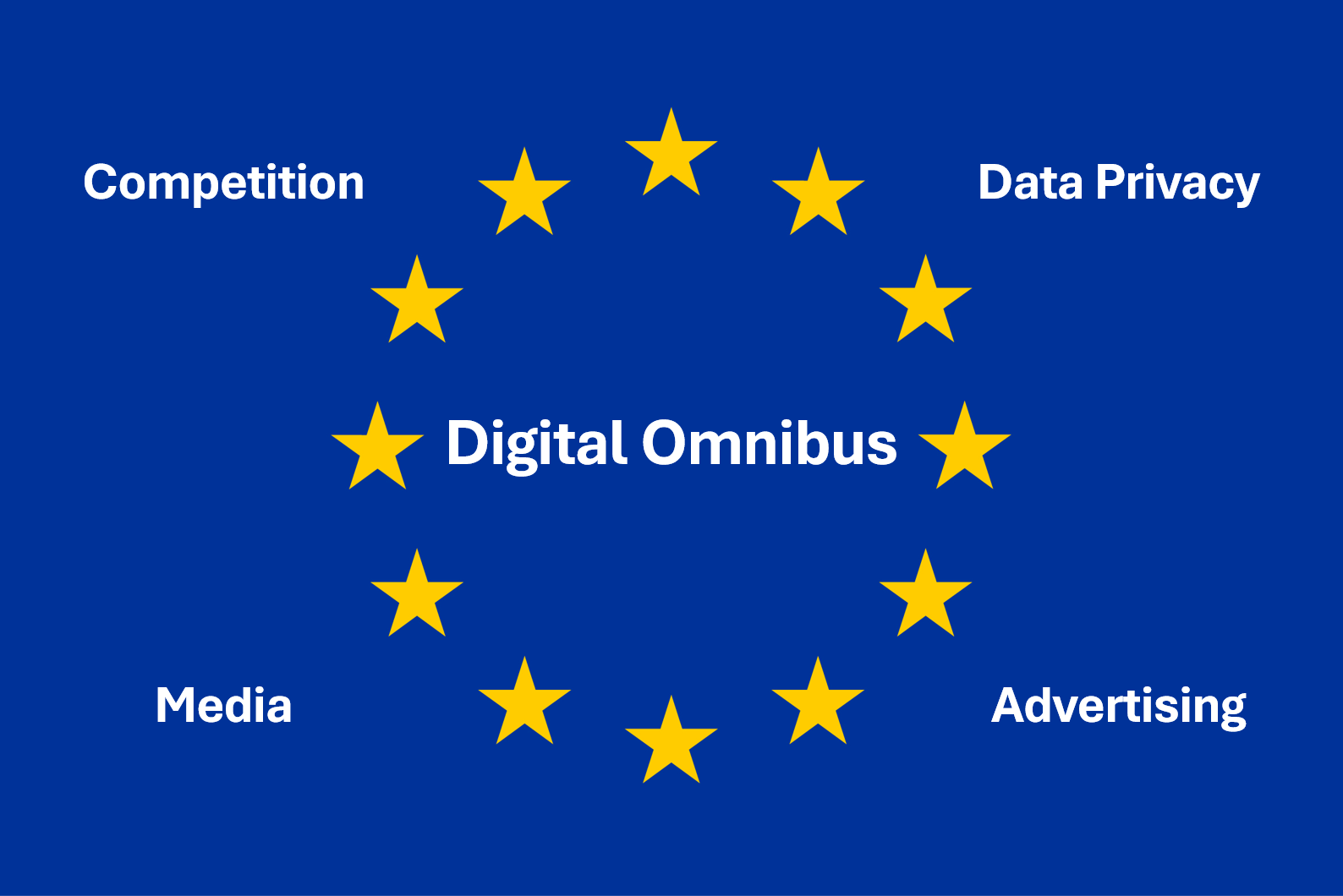
Digital Omnibus: What Would it Mean for Competition and Privacy in Advertising? - The Platform Law Blog
In November 2025, the European Commission (“Commission”) proposed a “Digital Omnibus” regulation to amend several EU legislations.[1] Although presented as a simplification exercise to strengthen Europe’s competitiveness, the proposal revisits key provisions of the General Data Protection Regulation (GDPR) and the e-Privacy-Directive concerning the use of personal data, including for advertising purposes. The changes could […]
GDPR - A Practical Guide For Developers - Bozho's tech blog
You’ve probably heard about GDPR. The new European data protection regulation that applies practically to everyone. Especially if you are working in a big company, it’s most likely that there’sContinue reading

Swedish data brokers claim journalists’ legal protection to evade EU law
Thanks to a loophole in national law, data brokers can exempt their business from EU privacy law. This enables the uncontrolled sale of the personal data of millions of people in Sweden

European Age Verification Solution
The European Commission is developing a harmonized, EU-wide approach to age verification, accompanied by a comprehensive age verification blueprint that is intended to facilitate practical adoption across all Member States and can be customised to the national context. Built upon the robust European Digital Identity Wallet framework, this user-friendly and privacy-preserving age verification solution enables individuals to demonstrate their eligibility for age-restricted online services, such as those restricted to adults, without disclosing more personal information than absolutely necessary. By design, the solution addresses and supports compliance with Article 28 of the Digital Services Act, helping online service providers meet legal requirements for age checks while safeguarding user privacy.
I Asked 100 Companies for My Data. I Got Deletion Notices Instead
California residents have a legal right to access the data that companies collect about them. Actually exercising that right is a burdensome nightmare.

Throwing your rights under the Omnibus - how the EU's reform agenda threatens to erase a decade of digital rights
A spectre is haunting Europe—the spectre of bureaucracy. All the Powers of old Europe have entered into an unholy alliance to exorcise th...

Elena Rossini 🌈 (@_elena@mastodon.social)
Attached: 1 image This was definitely NOT on my bingo card for this year: European Commission president Ursula von der Leyen taking a moment between G7 meetings to promote the launch of the closed-source, for-profit network #WSocial. 🔗 : https://web.archive.org/web/20260617083436/https://www.linkedin.com/posts/rentzhog_kind-of-cool-to-see-ursula-von-der-leyen-ugcPost-7472769475885461504-hwct/ I fear this may be a harbinger of things to come: MANDATORY AGE VERIFICATION for social media across Europe. I hope I'm wrong on this. #privacy #SurveillanceCapitalism #EUBigTech
Nonrivalry and the Economics of Data
(September 2020) - Data is nonrival: a person's location history, medical records, and driving data can be used by many firms simultaneously. Nonrivalry leads to increasing returns. As a result, there may be social gains to data being used broadly across firms, even in the presence of privacy considerations. Fearing creative destruction, firms may choose to hoard their data, leading to the inefficient use of nonrival data. Giving data property rights to consumers can generate allocations that are close to optimal. Consumers balance their concerns for privacy against the economic gains that come from selling data broadly.

I just migrated to @npmx.dev's PDS, hosted in Europe 🇪🇺 You know what that means? - GDPR now applies to my data! - As much as I trust Bluesky, we should encourage people to decentralize their data.
Dear #WSocial verified users, who had your account verified after 16-09-2026: if you are not comfortable with your full name, nationality and approx. age being shared *outside* of W, on the open web, please DO NOT delete your account. You need to file a proper right of deletion request instead #GDPR

Alban_bdx
@wsocial.eu @anna.wsocial.eu I’m not happy that my approximate date of birth and nationality can be read by anyone in my W Social verification record. Please explain your legal basis for publishing it, and delete it. #WsocialFacts #GDPR


