

tired of the bickering at the polar extremes

Technorealists, the silent majority?
notes.erlend.shAug 3, 2026 at 12:16 PM
It’s Not Polarization; It’s the Radicalization of the Political Right
Polarization has become the master concept for diagnosing contemporary democratic crises. The notion denotes three features: symmetry between parties, politics as an opinion space where positions diverge, and mutual repulsion between opposing camps. Yet none of these capture current realities. Across democracies, the central dynamic is not two poles drifting apart but the transformation of the political right into authoritarianism, norm breaking, and openness to political violence. Social democratic and center-right parties tend to respond in the opposite way from what “polarization” implies: by accommodating rightward. Attempts to salvage the polarization frame with modifiers (“asymmetric,” “affective,” “sectarian,” “pernicious”) concede these realities but risk hollowing out the concept’s definitional core. These limitations reveal a deeper misdiagnosis: when one party turns antidemocratic and illiberal, incivility and conflict are inevitable—but they are symptoms, not the root problem. Misdiagnosing them as the central issue leads to viewing civility and compromise as remedies, thereby risking the legitimation of authoritarian actors. This article proposes an alternative lens: the radicalization of the political right. Developed in the study of extremism, the radicalization framework better captures asymmetric change, identity-driven politics, and the mainstreaming of illiberalism. It foregrounds identity fusion, threat narratives, elite entrepreneurship, and escalation. Concepts are never politically innocent and persisting with “polarization” risks both misdiagnosing and normalizing authoritarian threats.
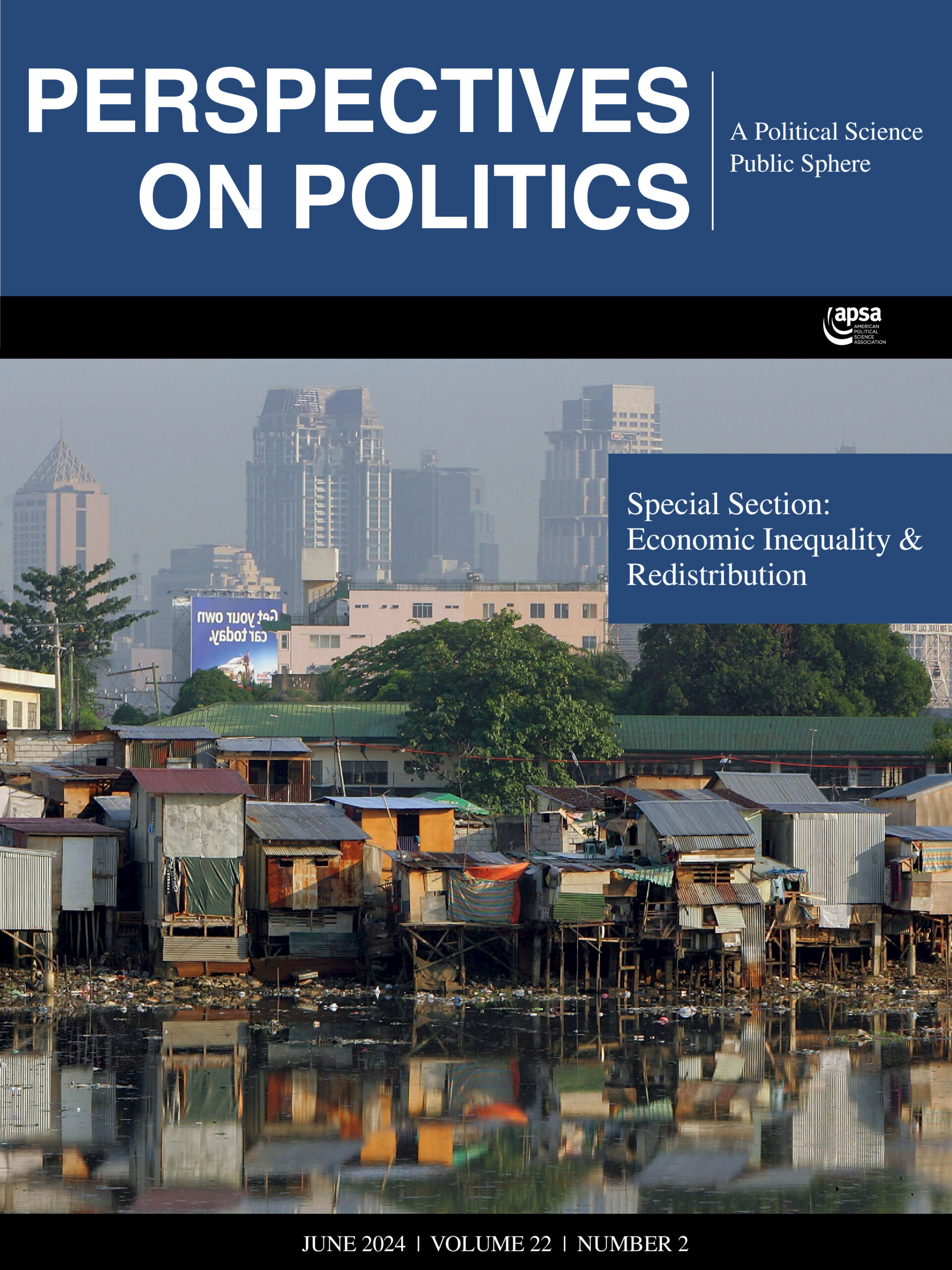
It’s Not Polarization; It’s the Radicalization of the Political Right
Polarization has become the master concept for diagnosing contemporary democratic crises. The notion denotes three features: symmetry between parties, politics as an opinion space where positions diverge, and mutual repulsion between opposing camps. Yet none of these capture current realities. Across democracies, the central dynamic is not two poles drifting apart but the transformation of the political right into authoritarianism, norm breaking, and openness to political violence. Social democratic and center-right parties tend to respond in the opposite way from what “polarization” implies: by accommodating rightward. Attempts to salvage the polarization frame with modifiers (“asymmetric,” “affective,” “sectarian,” “pernicious”) concede these realities but risk hollowing out the concept’s definitional core. These limitations reveal a deeper misdiagnosis: when one party turns antidemocratic and illiberal, incivility and conflict are inevitable—but they are symptoms, not the root problem. Misdiagnosing them as the central issue leads to viewing civility and compromise as remedies, thereby risking the legitimation of authoritarian actors. This article proposes an alternative lens: the radicalization of the political right. Developed in the study of extremism, the radicalization framework better captures asymmetric change, identity-driven politics, and the mainstreaming of illiberalism. It foregrounds identity fusion, threat narratives, elite entrepreneurship, and escalation. Concepts are never politically innocent and persisting with “polarization” risks both misdiagnosing and normalizing authoritarian threats.
It's Possible to Reduce Polarization without Reducing Engagement
The results of the Prosocial Ranking Challenge
Political polarization at its worst since the Civil War
Data scientists try to explain the U.S. government’s shifting ideologies over the past four decades.
Pluralistic: Post-political (09 Jul 2026) – Pluralistic: Daily links from Cory Doctorow
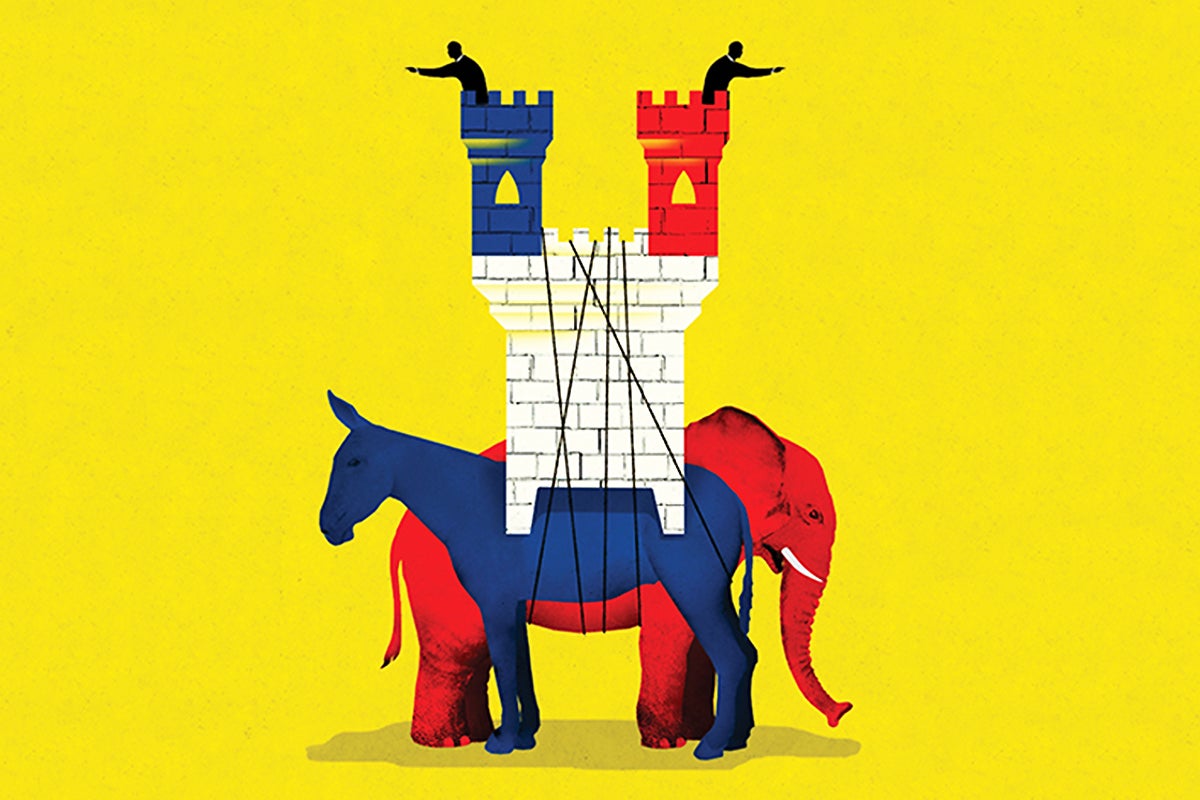
There's plenty of reasons to be skeptical of centrists who bemoan "political polarization" and call for a politics that abandons the "tribalism of left and right."
Views of American politics, polarization and tone of political debate
In many ways, Americans’ emotions toward politics today are as negative as their evaluations of the country’s political system. Majorities say they always or often feel exhausted (65%) and angry…
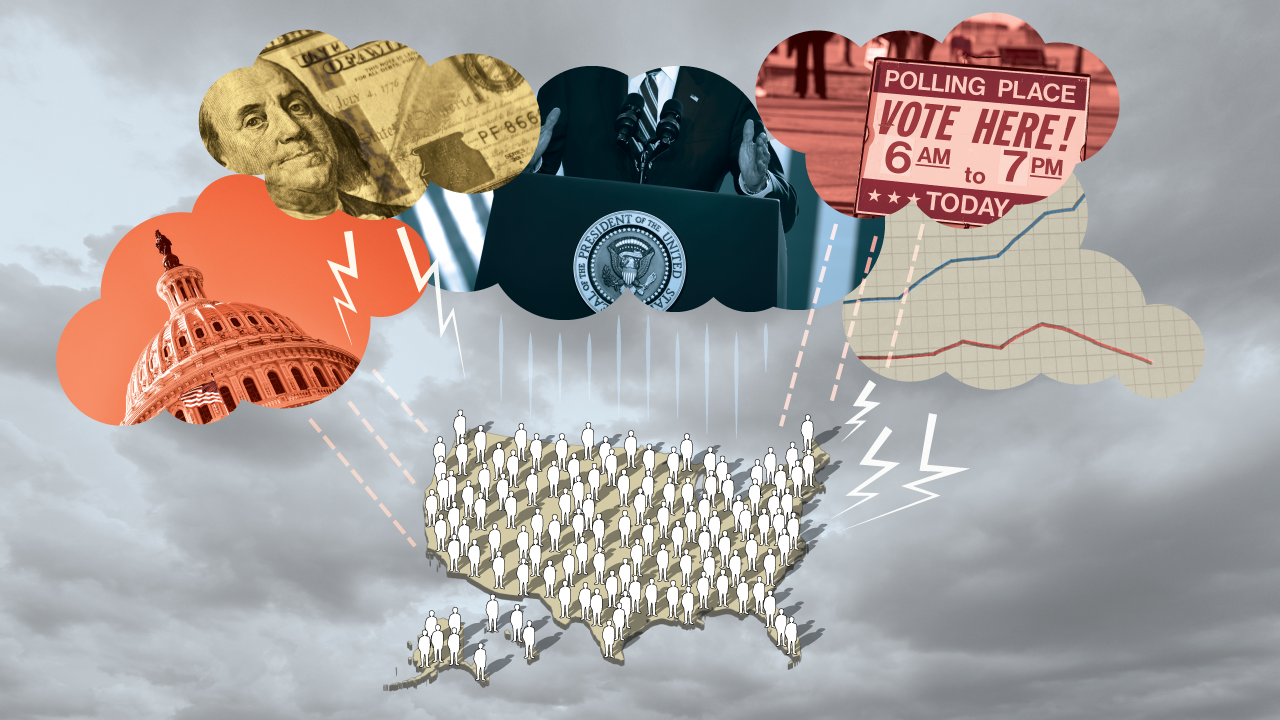
New study shows just how Facebook's algorithm shapes conservative and liberal bubbles
Research conducted at the height of the 2020 election reveals new details about how Facebook's algorithms handle political content. But it suggests there are no easy fixes to political polarization.

The Leftist Manosphere and Identity Politics
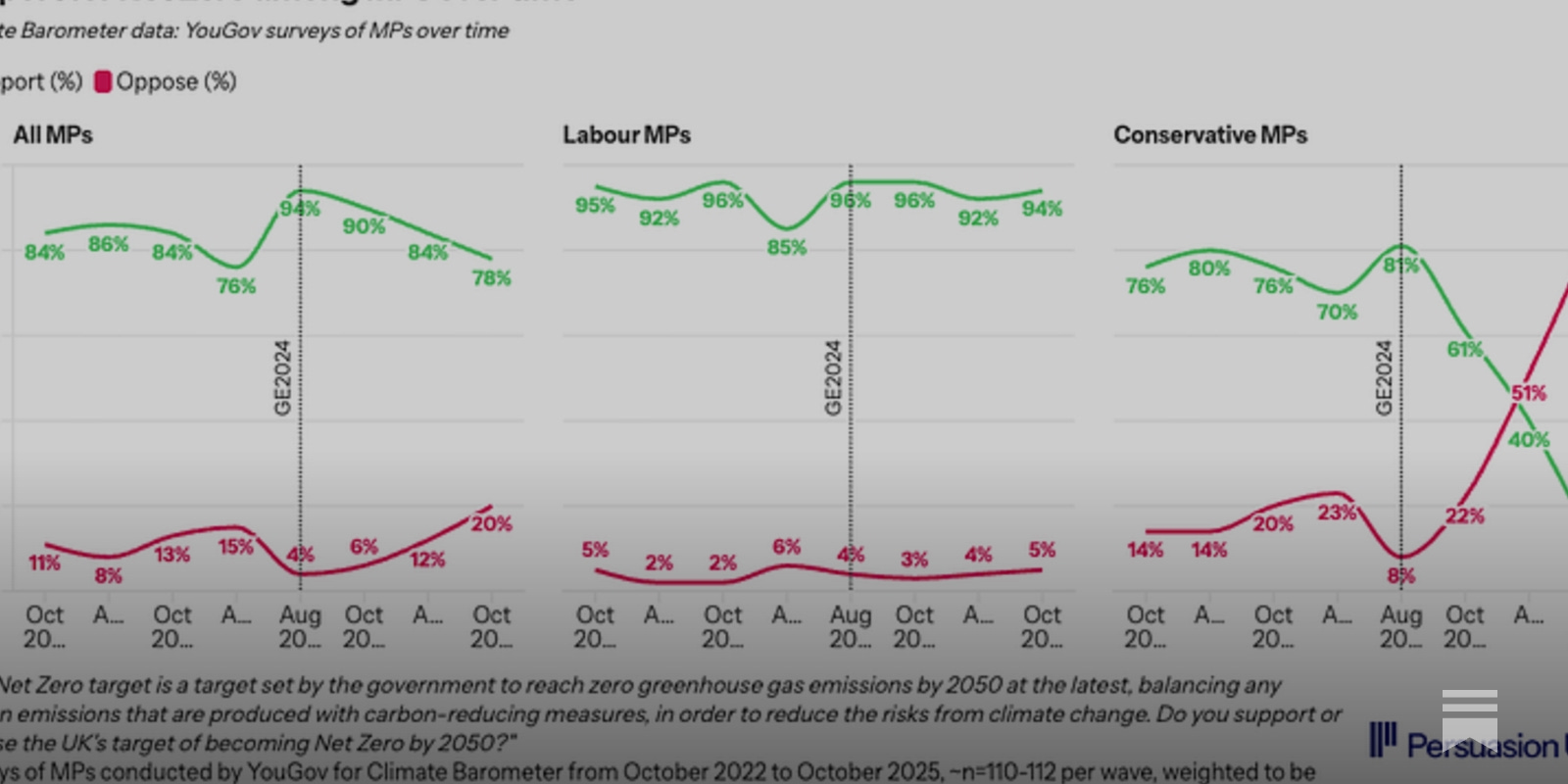
What’s happened to the UK’s climate consensus?
Opposition, apathy and the voters in-between
The Algorithmic Management of Polarization and Violence on Social Media
Access the PDF version of this essay by clicking the icon to the right.
How a Papal Ban Reshaped the French Right – The Journal of Politics Blog
Political extremism is often attributed to voter anger and broader structural socioeconomic conditions. From this perspective, efforts to counter extremist movements may appear futile, since such groups are seen as deeply embedded in the contexts from which they arise. But is this necessarily the case? To address this question, we examine the Papal condemnation of an influential far-right movement in interwar France.
Living with two clocks
Staying with unbearable thoughts, and searching for a politics that’s equal to these times.

Anyone know if this works?
71K votes, 1.5K comments. 719K subscribers in the NonPoliticalTwitter community. Twitter and Bluesky without the politics. Come vibe with us as we…
Activate climate’s ‘silent majority’ to supercharge action, experts say
Making concerned people aware their views are far from alone could unlock the change so urgently needed

Is social media truly making us more politically polarized, or does it simply over-represent our most extreme opinions? In our new preprint, @small-schulz.bsky.social and I present *punishing evidence* that social media systematically overrepresents users’ most extreme political opinions. 1/n
‘Polarization’ has become the master concept for diagnosing our current democratic crisis. But this is not polarization. It is the radicalization of the political right. By misdiagnosing it, we risk becoming complicit in the crisis. 🧵 Just out in Perspectives on Politics doi.org/10.1017/S1537592726105246


