for the non technical folks: imagine there was a password that if you guess it, you can impersonate *any website on the internet* now imagine the password is literally the number 4

The Internet goes on high alert after discovery of 8 compromised TLS certs
arstechnica.comOct 21, 2026 at 12:25 PM
Blog | 1Password
Expert articles, security news, product updates, guides, and research from 1Password on password management, privacy, and digital security.
CAPTCHA successor Privacy Pass has no easy answers for online abuse | The Mozilla Blog
As much as the Web continues to inspire us, we know that sites put up with an awful lot of abuse in order to stay online. Denial of service attacks, fraud
Passwords, Secrets, and Access Management | 1Password
Protect passwords and secrets, manage app access, and secure AI tools with 1Password. Easy to adopt from growing teams to enterprise.
A Well-Known URL for Changing Passwords
Copyright © 2024 World Wide Web Consortium. W3C® liability, trademark and permissive document license rules apply.
I don't like passkeys | Ethan Hawksley
Why passkeys are a step back for personal security: examining account lockout risks, platform lock-in, hardware key limits, and fragile recovery flows.
Opinion | Internet Hacking Is About to Get Much Worse (Published 2018)
We can no longer leave online security to the market.

Solving Fossil SCM's CAPTCHA in 171 characters | nns.ee
Ethical Hacking and Cybersecurity Blog

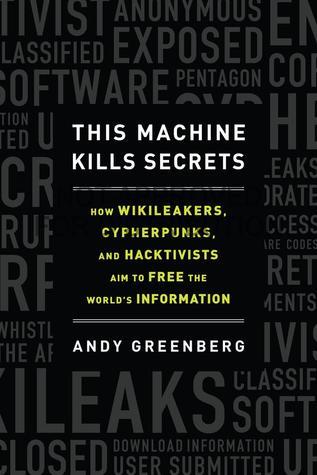
This machine kills secrets: how WikiLeakers, cypherpunks and hacktivists aim to free the world's information
The barbarians aren't at the gates. They're inside. Thi…
A better web
The web as it is today is, by design, ridden with hostility. The problems faced by its users fall into three main categories: ownership of identity, ownership of data, and surveillance capitalism. Websites want to own the identity of their users. This results in compromising either the convenience by having to log in to every site separately – or security and privacy, by outsourcing identity control to other third-party sites (“Would you like to log in with your Google or Facebook account?”), thus disclosing movements throughout the internet.
taken.
A web page that tells you what your browser gave away the moment you arrived. No login, no form, no permission. Most pages do this. None of them tell you.
Keeping the Web Open and Private in the Bot Era | The Mozilla Blog
If you’ve been running into endless CAPTCHAS or website login requests lately, you’re not imagining things. Websites, facing a rising tide of abu
Top 4 AI chatbot privacy concerns and how to mitigate them | TechTa...
Explore four key chatbot privacy concerns, as well as privacy protection strategies for individual users and organizations hoping to safeguard user data.

A quote by Edsger W. Dijkstra
The question of whether a computer can think is no more interesting than the question of whether a submarine can swim.

The web should remain anonymous by default | The Mozilla Blog
The unique architecture of the web enables a much higher degree of user privacy than exists on other platforms. Many factors contribute to this, but an ess