


Access to Opportunity in the Sciences: Evidence from the Nobel Laureates
Unequal opportunity in the sciences reduces scientific contributions from the most talented individuals and limits the rate of human progress. We study unequal opportunity by collecting data on the childhood SES of Nobel laureates in the sciences. The average laureate grew up in an 87–90th percentile household. Access to opportunity doubled from 1901–2023, but remains highly unequal. Barriers are higher for women, but lower for Americans. Access to opportunity across countries is much less equal, and has barely improved at all. Cities with more intergenerational mobility produce more laureates from non-elite families, and more laureates overall.
Book review: Elinor Ostrom’s Rules for Radicals, by Derek Wall
Elinor Ostrom was the first and so far the only woman to win the Nobel prize for economics*. She received the award in 2009 for her work on the commons. Ostrom died three years later, leaving behin…
Tatiana Maslany FINALLY Got an Emmy Nomination for Orphan Black!
@#$% AND YES. The Academy of Television Arts & Sciences has finally corrected a grave injustice and given Tatiana Maslany, the uber-talented star of

Neom
Locus Award Nominee 2023 Dragon Award Nominee 2023 Seiun Award Nominee 2025 Machines roam the desert in search of purpose; works of art can be deadlier than weapons, and improbable love transcends …

The Nobel for Econsplaining
Acemoglu, Johnson and Robinson won a prize for applying economics to the very things economics is inherently bad at figuring out

The boys’ club: How Epstein’s influence shaped the exclusion of women in STEM
In one email, an AI researcher suggested it’s “hard to be brilliant if you are worrying if you look fat or why another woman hates you.”

The Final Lessons From This Year's Hugo Awards Clusterfrak
The Hugo Awards are over, and the result was a dramatic rejection of the two “Puppies” campaigns to pack the ballot with a narrow selection of authors.
Take My Hand
Winner of the 2023 NAACP Image Award for Outstanding Literary Work - FictionDeeply empathetic yet unflinching in its gaze…an unforgettable exploration of responsibility and redemption. - Celeste NgInspired by true events that rocked the nation, a searing and compassionate new novel about a Black nurse in post-segregation Alabama who blows the whistle on a terrible injustice done to her patients, from the New York ...

The sad, stupid rise of the sigma male: how toxic masculinity took over social media
His heroes are Patrick Bateman, John Wick, Tommy Shelby and Walter White. He follows Andrew Tate and idolises wolves. And he has quickly become a laughing stock. Welcome to the world of the sigma male

Intellectual Loneliness
I have a confession to make: I leave most parties early because I'd rather read a book. The world comes to life when I'm surrounded by ideas.

It's Been A Bad Week For Strong Female Characters
I think I've finally discovered what caused my mysterious, unknown apocalypse. I believe the illness known as "con flu" — in which one sick person at a
Women Business Leaders on How To Solve AI’s Inclusivity Problem
Top executives at Takeda, PepsiCo and Meta discuss making AI more inclusive and preparing the next generation of women leaders for change.

Women’s World Banking announces finalists for second annual Making Finance Work for Women Fintech Innovation Challenge - Women's World Banking
NEW YORK, September 24, 2020 – Women’s World Banking is pleased to announce the four finalists of its second annual Making Finance Work for Women Fintech
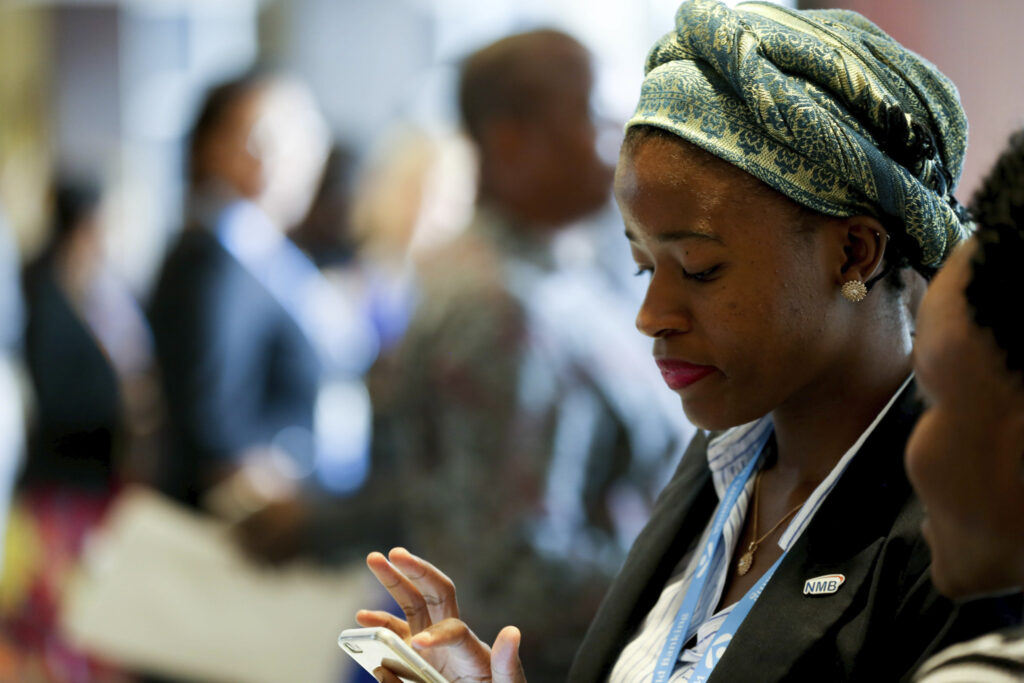
Greta Thunberg
Greta Tintin Eleonora Ernman Thunberg is a Swedish activist known for pressuring governments to address climate change and social issues. She gained global attention in 2018, at age 15, after starting a solo school strike outside the Swedish parliament, which inspired the worldwide Fridays for Future movement.

Loneliness epidemic

And related subjects

Associations between social media use and loneliness in a cross-national population: do motives for social media use matter?

Americans’ Social Activity Has Steeply Declined in the Past 30 Years

Young people five times more likely to have no friends than a decade ago | IPPR
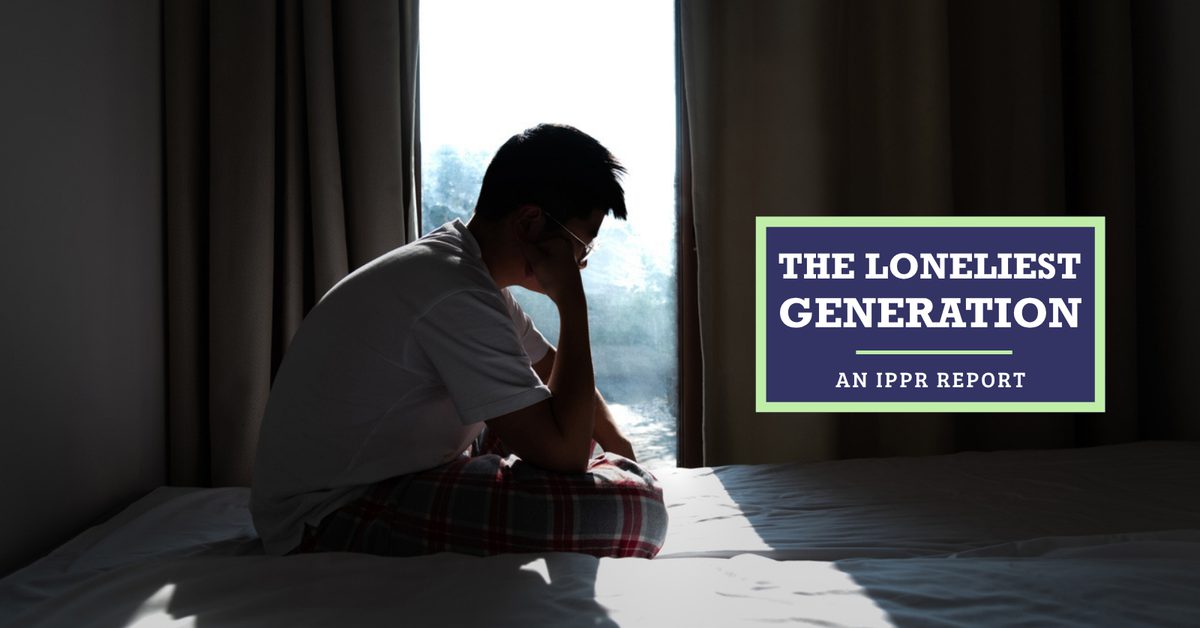
The loneliest generation: What it is like to grow up in England today | IPPR
