

what would the technical implications be if things that already have universal IDs like ISBNs were added as a type of DID? e.g. at://did:isbn:9780316229302

bryan newbold
mirroring existing catalog records (books, films, venues, etc) in to atproto records is tempting, but (IMHO) an anti-pattern. instead of copying that data in and referencing with an AT-URI, you should reference them by existing identifiers (ISBN, OSM identifier, etc). appviews sync the catalog.
Aug 18, 2026 at 2:55 AM
Decentralized Identifiers (DIDs) v1.0
Decentralized identifiers (DIDs) are a new type of identifier that enables verifiable, decentralized digital identity. A DID refers to any subject (e.g., a person, organization, thing, data model, abstract entity, etc.) as determined by the controller of the DID. In contrast to typical, federated identifiers, DIDs have been designed so that they may be decoupled from centralized registries, identity providers, and certificate authorities. Specifically, while other parties might be used to help enable the discovery of information related to a DID, the design enables the controller of a DID to prove control over it without requiring permission from any other party. DIDs are URIs that associate a DID subject with a DID document allowing trustable interactions associated with that subject.
High Assurance DIDs with DNS
This document outlines a method for improving the authenticity, discoverability, and portability of Decentralized Identifiers (DIDs) by utilizing the current DNS infrastructure and its technologies. This method offers a straightforward procedure for a verifier to cryptographically cross-validate a DID using data stored in the DNS, separate from the DID document.
How Digital IDs Could Help and Harm People With Disabilities
While mobile IDs promise new access for people with disabilities, a "one ID, one device" model and accessibility failures threaten to exacerbate the digital divide, according to experts in the field.

No2DigitalID — Big Brother Watch
A national digital ID system is not inevitable. We can stop Britain sleepwalking into becoming a database state. Support our campaign to create a legal right to use non-digital ID!


In defense of the National ID and Digital ID
Having watched another round of the British NO2ID debate, which has opposed the introduction of a single national ID document since 2004, I cannot help but notice a rather drastic misconception of the
did:web Method Specification
DIDs that target a distributed ledger face significant practical challenges in bootstrapping enough meaningful trusted data around identities to incentivize mass adoption. We propose a new DID method using a web domain's existing reputation.
RFC: Identity · tilesprivacy · Discussion #52
Tiles Identity Decentralized identifiers (DIDs) Tiles will be having decentralized identifiers, since its foremost should be used locally that means authn/authz should be also local. But since Tile...
AI And The Ship of Theseus
Slopforks: what happens when a library gets rewritten with AI?
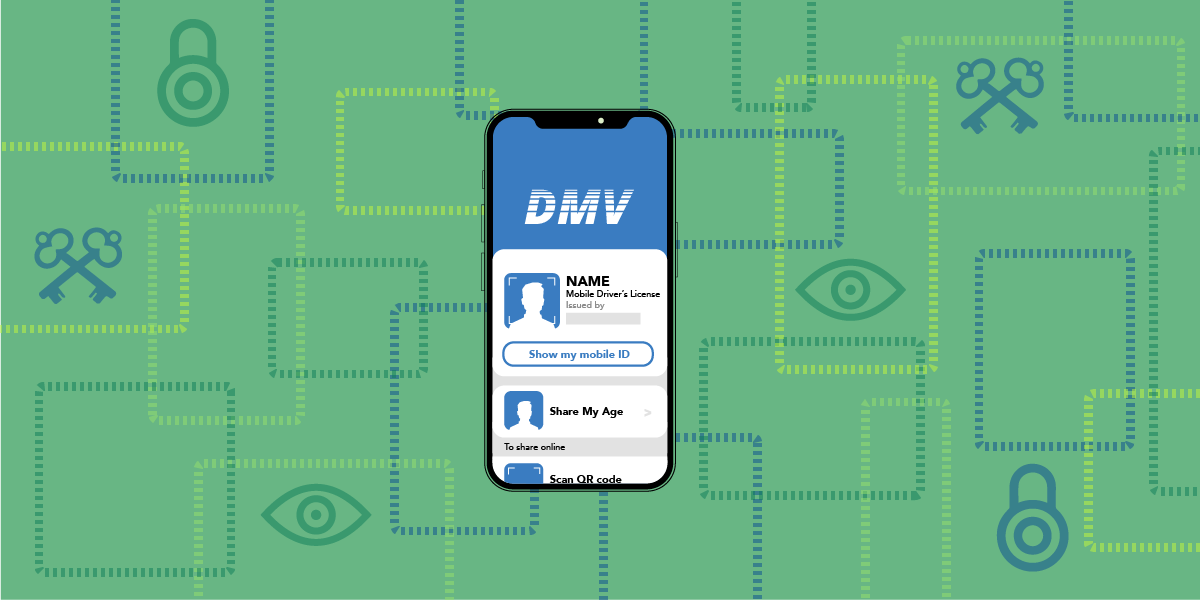
Digital ID: What it means for the digitally excluded – Digital Poverty Alliance
By 2029, proving your right to work in the UK may no longer mean showing a passport or residence permit. Under Government proposals, it could require a digital

did:plc Specification v0.1
DID PLC is a self-authenticating DID which is strongly-consistent, recoverable, and allows for key rotation.
Zero Knowledge Proofs Alone Are Not a Digital ID Solution to
In the past few years, governments across the world have rolled out digital identification options, and now there are efforts encouraging online companies to implement identity and age verification
did:cow: Another idea to billionaire-proof ATProto IDs, also "art of using a blockchain without using a blockchain". Blockchain-managed wrapper ID, no tx to create, points to a did:plc/did:web but you can move it if something goes wrong. Got carried away and made a resolver and front-end cow.watch
did:cow
cow.watch
Edmund Edgar
Wrote up an idea to improve the DID:PLC system to protect us from the inevitable corporate enshittification phase when the centralized server stops serving mirrors for a bit then starts screwing us over. It's kind of "art of using a blockchain without using a blockchain" github.com/edmundedgar/did-plc-p2p-guard…
W3C Invites Implementations of Decentralized Identifiers (DIDs) v1.1 w3.org/news/2026/w3c-invites-impleme…

W3C Invites Implementations of Decentralized Identifiers (DIDs) v1.1
www.w3.org


