I can see a whole lot of people agreeing with this. Kinda the same with open source in general, but few open source projects are social protocols seeking widespread adoption. It's a particular flavor of narrative disconnection from reality we have to bridge out of to get out of our own way.

⠁⠀⠀⠀⠠
Every @proto developer sounds like this to me:
Aug 14, 2026 at 12:49 AM
I hate the term “open source”
It doesn’t accurately reflect how people are building today anymore.

Open source engagement in organizations
Companies, governments, and other organizations big and small are working with open source to achieve their goals. Teams range from barely considering it to ...

Is Open Source Broken?
The movement to develop software applications and all manner of IT services through the open source model is fundamentally rooted in the notion of community contribution, but things have shifted.

Open Source or Open Core: Why Should You Care?
Open source software has gained its significant foothold because the community development model works everywhere. Its momentum has moved it into the underlying infrastructure of some of the most sophisticated web scale companies, like Facebook and Google. Open source underpinnings now drive many of the most significant advances in the worlds of cloud and big data.
Open Source or Open Core: Why Should You Care?
Open source software has gained its significant foothold because the community development model works everywhere. Its momentum has moved it into the underlying infrastructure of some of the most sophisticated web scale companies, like Facebook and Google. Open source underpinnings now drive many of the most significant advances in the worlds of cloud and big data.
Why open source: 25 reasons to embrace it | Ben Balter
Open source isn't a fad. Here are twenty-five economic, moral, and personal reasons your organization should embrace it.
The shape of open source
At its core, open source is about collaboration. Whether it’s version control, licenses, or issue trackers—everything exists to support people working with each other. Open source embodies a model for…

Reclaiming Social Spaces: Are Open Source Platforms a Path for More Human Connection?
What if social media platforms were built to serve their communities, not billionaires? Join us with the founders of Blacksky as we explore the potential of open source social media.
The open source community that embraces designers most, wins.
That’s my theory. Here’s my reasoning:


Emelia (@thisismissem.social)
It's pretty funny how everyone has seemingly forgotten why W Social went closed source: initially they were open source, and various people from the community looked through their fork of the bluesky codebases, and went "lol wat no".

Degrees of Open Source
I realized that I never captured what I learned about the nature of open source projects anywhere, so here’s one attempt to rectify this omission. The way I understand the concept of “open source” …

Open Source is Not Enough
by James Halliday // The open source movement has fundamentally changed how software gets written. But in the process, corporations have been given a vast gift of free labor.
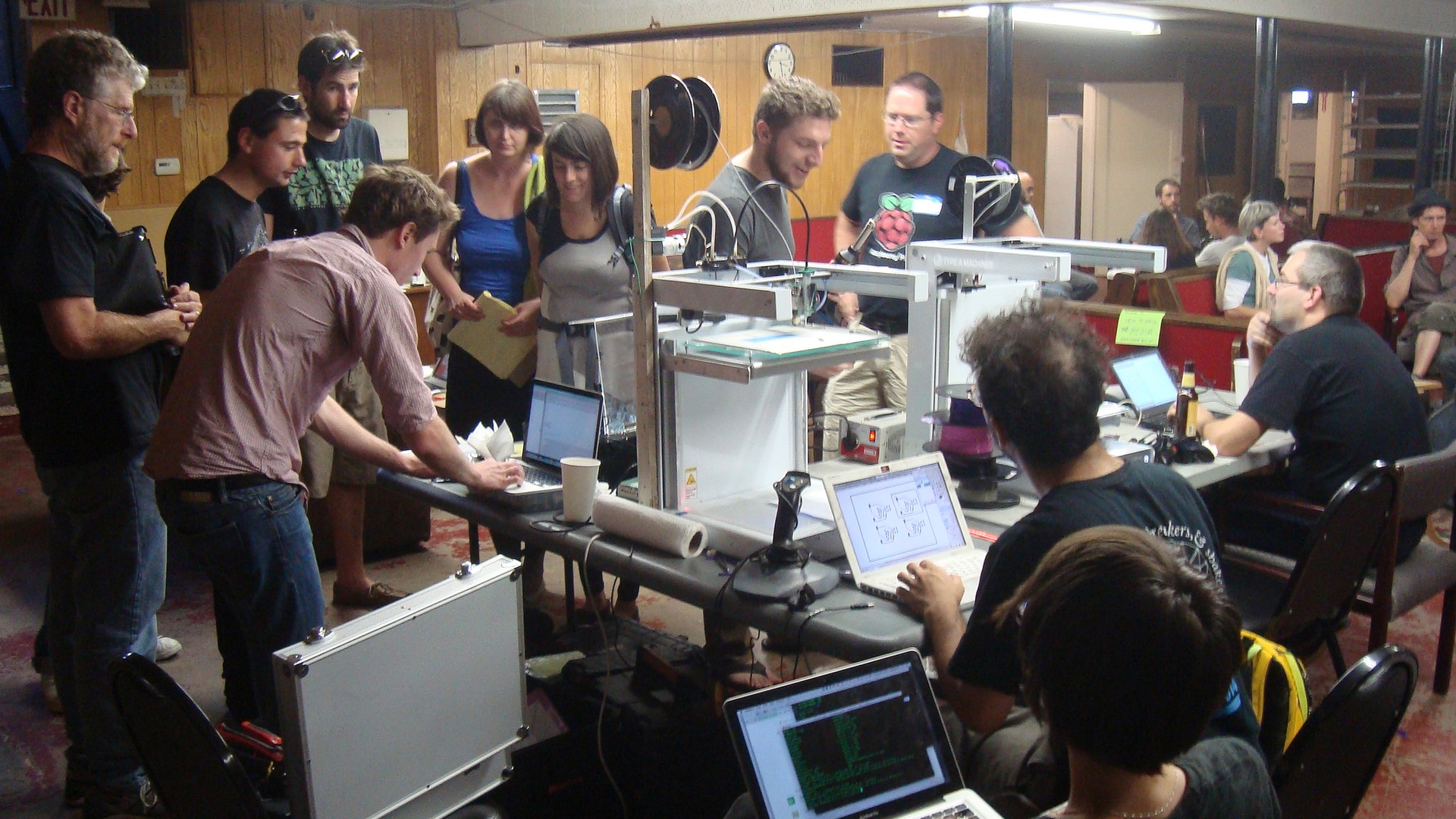
The social contract of open source
Even though I gave a keynote [https://youtu.be/tzFWz5fiVKU?t=48m55s]with an accompanying blog post [https://snarky.ca/setting-expectations-for-open-source-participation/] all about setting expectations for open source participation, I felt it was time to do another blog post to directly address the issue of

Open Source is Broken
The Open Source movement, as championed by the OSI, prizes absolute openness above all other concerns...