

When (not if) the Tech Monopolies come for the Atmosphere, can we create the institutional structures to protect what we have? Right now we're nowhere near ready. No company harmed the web more than Google, not even close, while claiming to help which many believed. What can we learn and how fast?

kottke.org
“The Metric Is Not the Mission is a ten-part examination of how Big Tech moved from building and expanding the open internet to increasingly shaping it around its own metrics, incentives and assumptions.” techdirt.com/2026/09/21/the-metric-is-not-…
Sep 25, 2026 at 4:13 PM
How One 1990s Browser Decision Created Big Tech’s Data Monopolies (And How We Might Finally Fix It) - Above the Law
From the take-back-control dept

The Beginning of the End of Big Tech
From politicians to VC firms, everyone is falling out of love with the massive, money-oriented, global technology titans. In their place, we have the chance to build something open and trustworthy.

Would You Just Look At This Shit
Even if you put AI ethics and tech's support of fascism aside (which you shouldn't), the quality control at major tech companies has become an embarrassing and dangerous mess as they try to justify years of hype.

Laws of Tech: Commoditize Your Complement
A classic pattern in technology economics, identified by Joel Spolsky, is layers of the stack attempting to become monopolies while turning other layers into perfectly-competitive markets which are commoditized, in order to harvest most of the consumer surplus; discussion and examples.

How the Tech World Turned Evil
Once upon a time, they were counterculture idealists bringing power to the people. Today they’re greedy monopolists who’d sooner destroy our democracy than be reined in by government in any way—and they have to be stopped.

Enshittification, Despotification, and the Open Internet
It’s not about whether technology is inherently good or bad, liberating or oppressive. Architecture shapes incentives; incentives shape outcomes.

The Path to a Sovereign Tech Stack is Via a Commodified Tech Stack | TechPolicy.Press
Strategic standardization of cloud infrastructure backed by procurement power and market forces is the right way to tame the hyperscalers, writes David Eaves.
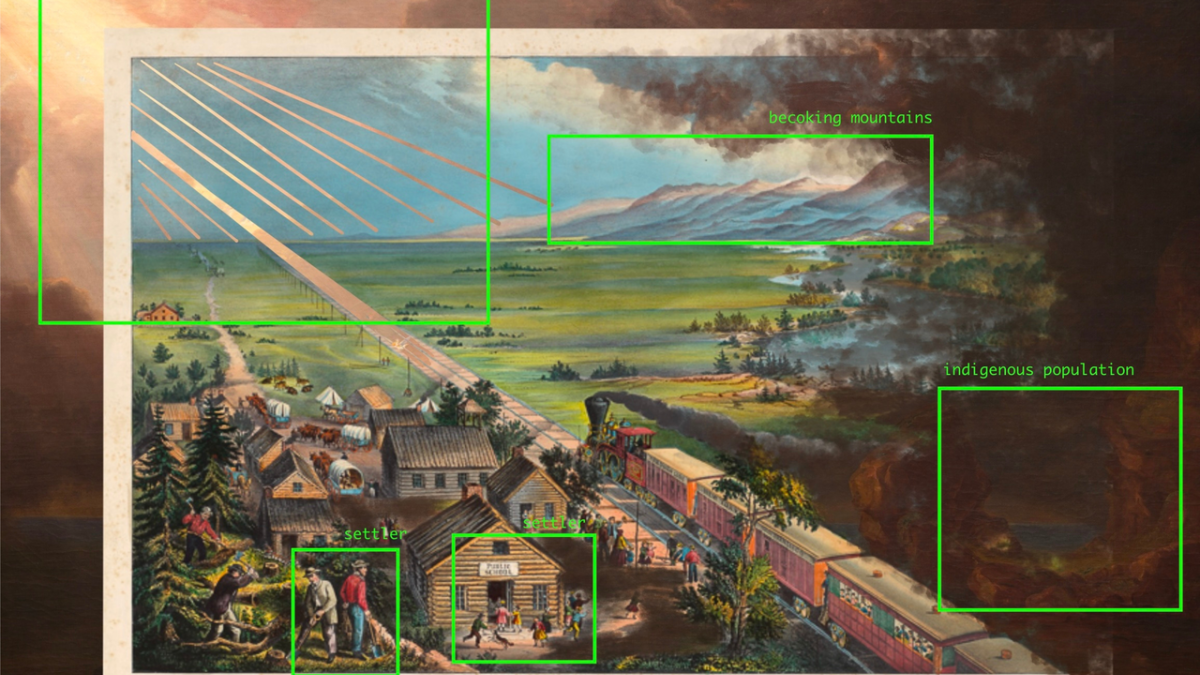
Opinion | These A.I. Policies Will Hurt Our Business. We Should Do Them Anyway.
The risks posed by A.I. are too great to forgo any regulation, even for those who stand to gain tremendously from the technology’s rise.

Governing by dismantling: tech oligarchy and the stifling of public data infrastructure
Published in Science as Culture (Ahead of Print, 2026)

Internet for the People: The Fight for Our Digital Future
"For all the informational convenience the internet offers, it is deeply flawed. How can it be improved? Writer Ben Tarnoff proposes one possibility in this intriguing book, which urges the development of 'a public lane on the information superhighway.' It's worth checking out for yourself." – Seth MacFarlane Why is the internet so broken, and what could ever possibly fix it? In Internet for the People, leading tech writer Ben Tarnoff offers an answer. The internet is broken, he argues, because it is owned by private firms and run for profit. Google annihilates your privacy and Facebook amplifies right-wing propaganda because it is profitable to do so. But the internet wasn't always like this—it had to be remade for the purposes of profit maximization, through a years-long process of privatization that turned a small research network into a powerhouse of global capitalism. Tarnoff tells the story of the privatization that made the modern internet, and which set in motion the crises that consume it today. The solution to those crises is straightforward: deprivatize the internet. Deprivatization aims at creating an internet where people, and not profit, rule. It calls for shrinking the space of the market and diminishing the power of the profit motive. It calls for abolishing the walled gardens of Google, Facebook, and the other giants that dominate our digital lives and developing publicly and cooperatively owned alternatives that encode real democratic control. To build a better internet, we need to change how it is owned and organized. Not with an eye towards making markets work better, but towards making them less dominant. Not in order to create a more competitive or more rule-bound version of privatization, but to overturn it. Otherwise, a small number of executives and investors will continue to make choices on everyone’s behalf, and these choices will remain tightly bound by the demands of the market. It's time to demand an internet by, and for, the people now.
Internet for the People: The Fight for Our Digital Future
"For all the informational convenience the internet offers, it is deeply flawed. How can it be improved? Writer Ben Tarnoff proposes one possibility in this intriguing book, which urges the development of 'a public lane on the information superhighway.' It's worth checking out for yourself." – Seth MacFarlane Why is the internet so broken, and what could ever possibly fix it? In Internet for the People, leading tech writer Ben Tarnoff offers an answer. The internet is broken, he argues, because it is owned by private firms and run for profit. Google annihilates your privacy and Facebook amplifies right-wing propaganda because it is profitable to do so. But the internet wasn't always like this—it had to be remade for the purposes of profit maximization, through a years-long process of privatization that turned a small research network into a powerhouse of global capitalism. Tarnoff tells the story of the privatization that made the modern internet, and which set in motion the crises that consume it today. The solution to those crises is straightforward: deprivatize the internet. Deprivatization aims at creating an internet where people, and not profit, rule. It calls for shrinking the space of the market and diminishing the power of the profit motive. It calls for abolishing the walled gardens of Google, Facebook, and the other giants that dominate our digital lives and developing publicly and cooperatively owned alternatives that encode real democratic control. To build a better internet, we need to change how it is owned and organized. Not with an eye towards making markets work better, but towards making them less dominant. Not in order to create a more competitive or more rule-bound version of privatization, but to overturn it. Otherwise, a small number of executives and investors will continue to make choices on everyone’s behalf, and these choices will remain tightly bound by the demands of the market. It's time to demand an internet by, and for, the people now.
Why Anthropic’s new model has cybersecurity experts rattled
The company says it has built its most dangerous model yet. Can its coalition of internet companies fix the internet before others catch up?
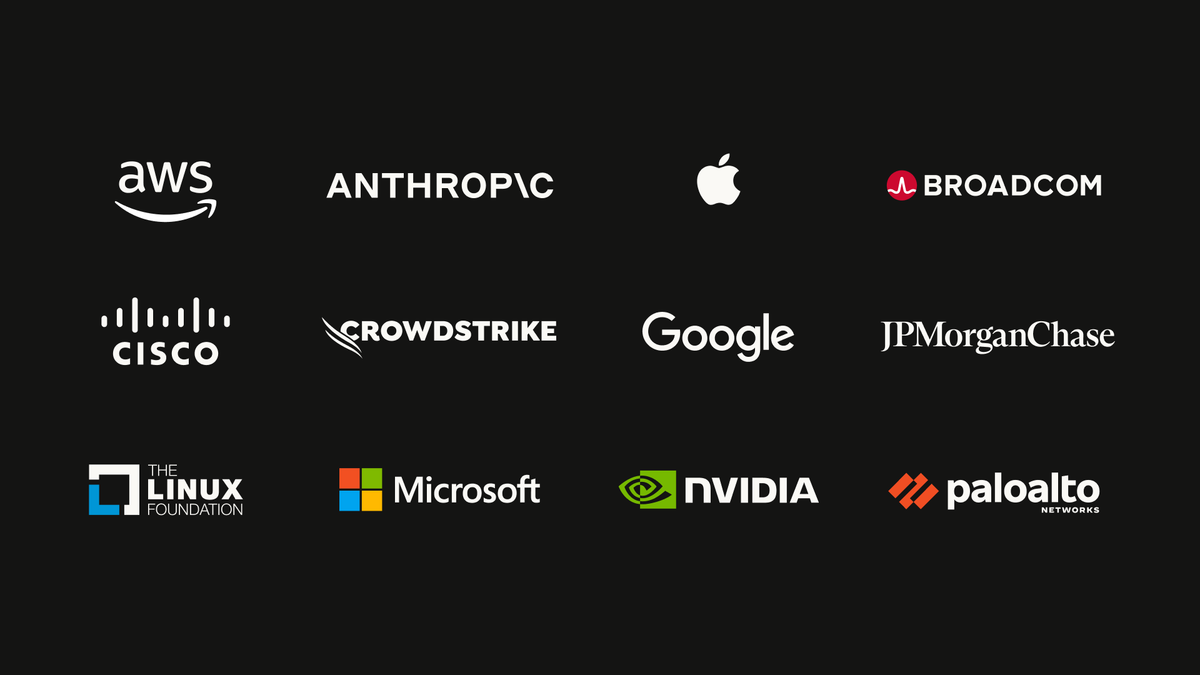
About Us
Around the world, building the internet’s operating system—and a better way to work. In a world of tech companies fighting for growth at any cost, imagine one that gives away its most successful pr…

People Loved the Dot-Com Boom. The A.I. Boom, Not So Much.
Tech leaders are beginning to worry about the public’s underwhelming enthusiasm for their plans to remake the world with artificial intelligence. Will that burst the bubble?

Leave big tech behind! How to replace Amazon, Google, X, Meta, Apple – and more
A handful of companies monopolise the web, with unprecedented access to our data. But there are many more ethical – and often distinctively European – alternatives

Is this a viable theory of change that points to an actual coherent vision for the future of a safe internet? There’s a lot of poor theories of change in current legislation on both sides of the aisle. Who is championing public utility moderation as an alternative to panopticon age gating?

Tynan is afk til 10/19 ⁂
More and more I think moderation as a whole should be publicly funded. Lots of institutions providing lots of diverse moderation services would unlock product creators and communities to thrive safely.
