

the implication is that you also cannot build healthier social media by copying design choices that we know now consistently incentivize people to do this

Anuj Ahooja
You will not change someone's (especially a stranger's) mind by: 1. being rude 2. if you haven't understood the root of why they believe something 3. if you're quoting each other back and forth on a website that limits you to 300 characters per post
May 27, 2026 at 7:34 AM
How Social Media Brings Out the Worst in Us
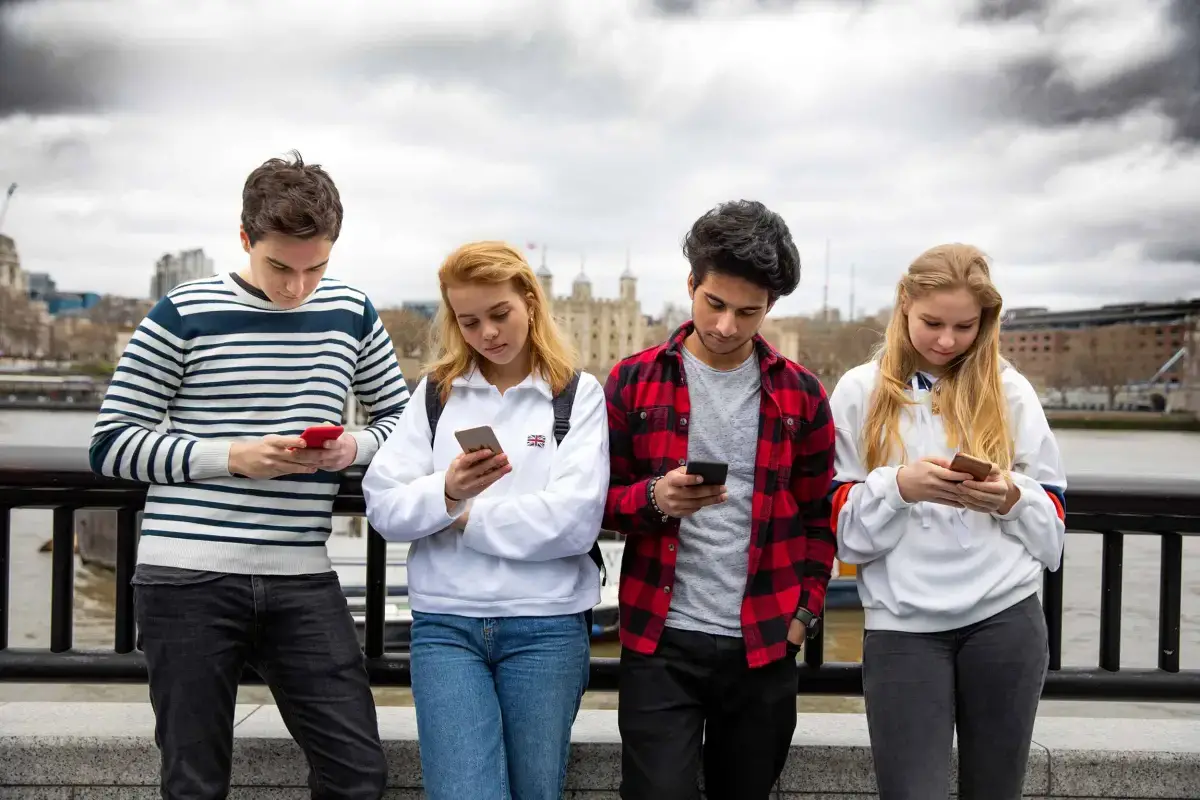
A new book argues that social media does more harm than good and we might be happier and healthier using it less.
Building Epistemically Healthier Platforms
When thinking about designing social media platforms, we often focus on factors such as usability, functionality, aesthetics, ethics, and so forth. Epistemic considerations have rarely been given the same level of attention in design discussions. This paper aims to rectify this neglect. We begin by arguing that there are epistemic norms that govern environments, including social media environments. Next, we provide a framework for applying these norms to the question of platform design. We then apply this framework to the real-world case of long-form informational content platforms. We argue that many current long-form informational content platforms are epistemically unhealthy. The good news? We provide concrete advice on how to take steps toward improving their health! Specifically, we argue that they should change how they verify and authenticate content creators and how this information is displayed to content consumers. We conclude by connecting this guidance to broader issues about the epistemic health of platforms.
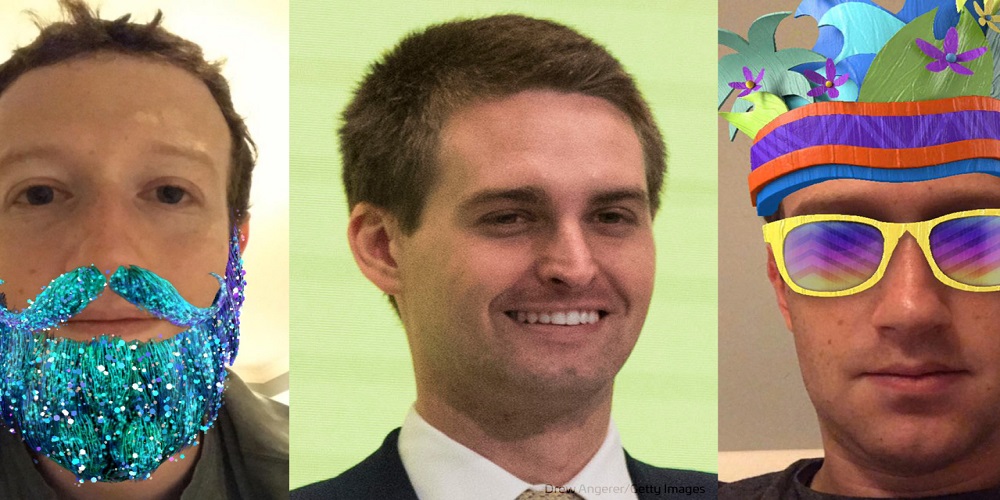
Learn from Facebook’s Informal Motto of “Don’t be too proud to copy” - Tekedia
This is a Short Note. Facebook is making sure no one has a chance to challenge its dominance in social media. Any social media app or ecosystem that shows any element of competitive capability must be nipped at the bud. So, it copes Snapchat and it does it so cleverly that you cannot mistake the […]
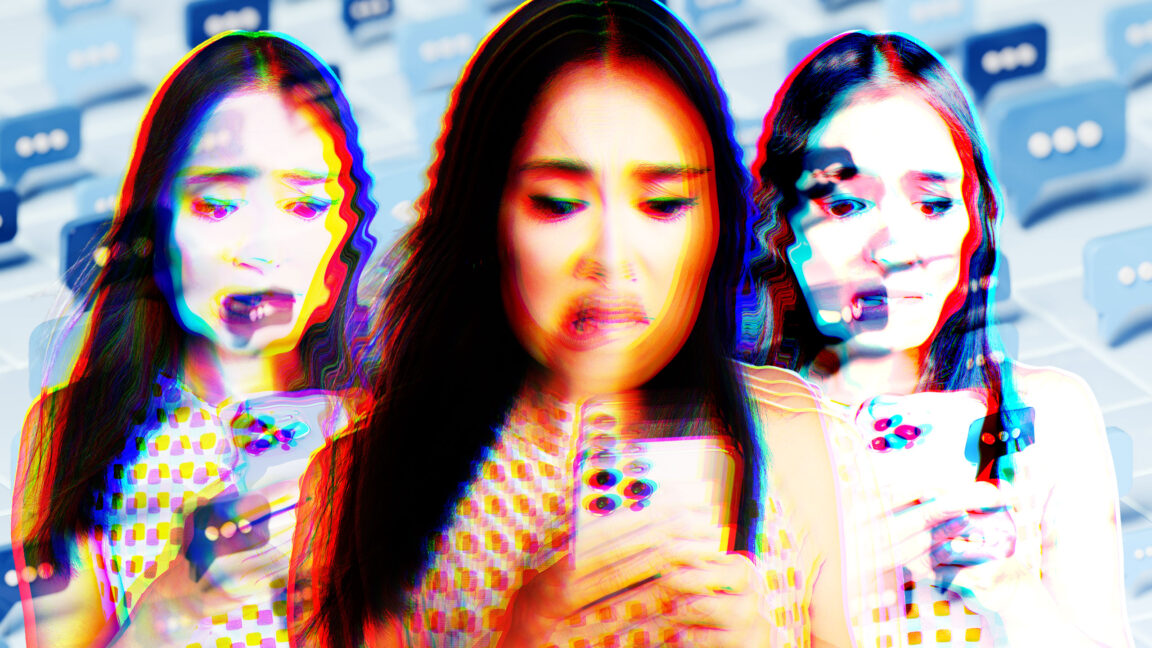
Study: Social media probably can’t be fixed
The [structural] mechanism producing these problematic outcomes is really robust and hard to resolve."
The future of social media is human
We cannot continue participating in social media platforms which do nothing to stop us being tricked by GenAI and the powerful people/governments that control them.

Building A Prosocial Media Ecosystem | NOEMA
There’s never been a better time to make social media what it always should have been: a tool to strengthen rather than strip-mine the social fabric.

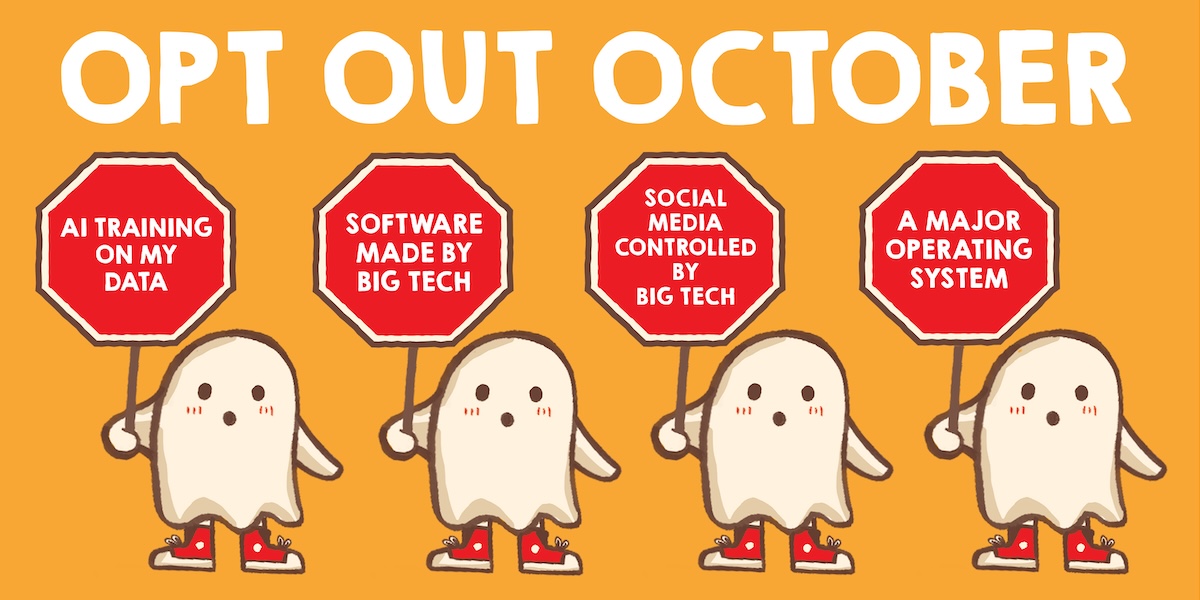
How to Opt Out of Social Media Controlled by Big Tech
It might seem like there are simply no other choices for social media beyond those controlled by big tech companies, but that’s not true at all. In fact, we’re in a golden era of options being built
Social Media Is Now Parasocial Media
When practitioners used the term “social media” to describe the internet tools that emerged in the mid-aughts, they were giving a name to the kinds of platforms and protocols that allowed people to socialize with friends and communities of interest by using digital technologies. Twenty years later, users of social media are far more likely to scroll than post – and the content that they consume is often strategically produced and algorithmically curated. In this essay, I argue that the very essence of social media has changed. To more effectively interrogate what we are witnessing, we need to stop presuming that these tools are “social media” and begin recognizing that they are now “parasocial media.” Doing so raises new questions about digitally mediated sociality, not to mention the politics and governance of these platforms.

It's obvious why we hate social media
We need better internet platforms. We're already building them.

How Instagram's moderation rules are made
Manifesto: An Online Creative's Social Web Dethroning - HK★TMK
"Oh great, now he's writing manifestos…" Don't worry. It's just a personal one to solidify and manifest how I want to use the Social Web once my detox concludes.
Making the Case for Actionable Prosocial Design Research
Regulating harmful design is only half the equation — attention must also go toward how platforms can build prosocial design, and toward the research that shows them how.

eny.social – built for you
The way social media should be. Not built for corporations. Not built for clicks. Built for you.
The Feed is the Product: Why We Stay in Walled Gardens, and Why We Might Finally Leave for the Open Social Web - Zsolt's pckt blog
We have known this for years. We have known that the major platforms are bad for our attention, our sleep, our politics, our children, and our sense of reality....
I'm excited to finally have a preprint of this paper up, a few years in the making. In it we argue that industry-driven manipulation of social media research is well underway and that norms and institutions in the field are ill-prepared to resist tech's influence. arxiv.org/abs/2510.19894
A healthier internet isn’t just wishful thinking — our friends at the @prosocialdesign.bsky.social have a whole library of research-backed design solutions for building prosocial spaces online, organized by our Civic Signals research! 🧵

Prosocial Design Network
www.prosocialdesign.org

