

i dislike this beyond being factually incorrect, it is also missing the core problem with Big Tech Algorithms: it is a matter about who controls attention, not the algorithm itself /1

The Verge
CEO Toni Schneider on protocols, community, and control. theverge.com/podcast/974387/bluesky-toni-s…
Aug 3, 2026 at 5:17 PM
Our Spreadsheet Overlords
Weatherby argues that the current discourse around AI, especially the buzz around “artificial general intelligence,” is a distraction from its actual impact: the expansion of bureaucracy through massive data systems…

Experts Argue Whether Computers Could Reason, and if They Should (Published 1977)
Computer world is in midst of fundamental dispute over question of computer intelligence since MIT Prof Joseph Weizenbaum wrote book arguing that machines can never be made to reason like people and should not be; Weizenbaum por (M)

Pluralistic: Big Tech’s “attention rents” (03 Nov 2023) – Pluralistic: Daily links from Cory Doctorow
The thing is, any feed or search result is "algorithmic." "Just show me the things posted by people I follow in reverse-chronological order" is an algorithm. "Just show me products that have this SKU" is an algorithm. "Alphabetical sort" is an algorithm. "Random sort" is an algorithm.
Algorithms may be making political polarization worse than we think
Marc Torrens and Carlos Carrasco-Farré analyze how algorithms influence opinions and heighten our emotional responses.
We're not taking the fact-checking powers of AI seriously enough. It's past time to start.
Some notes on the Nobel Prize hallucination that wasn't
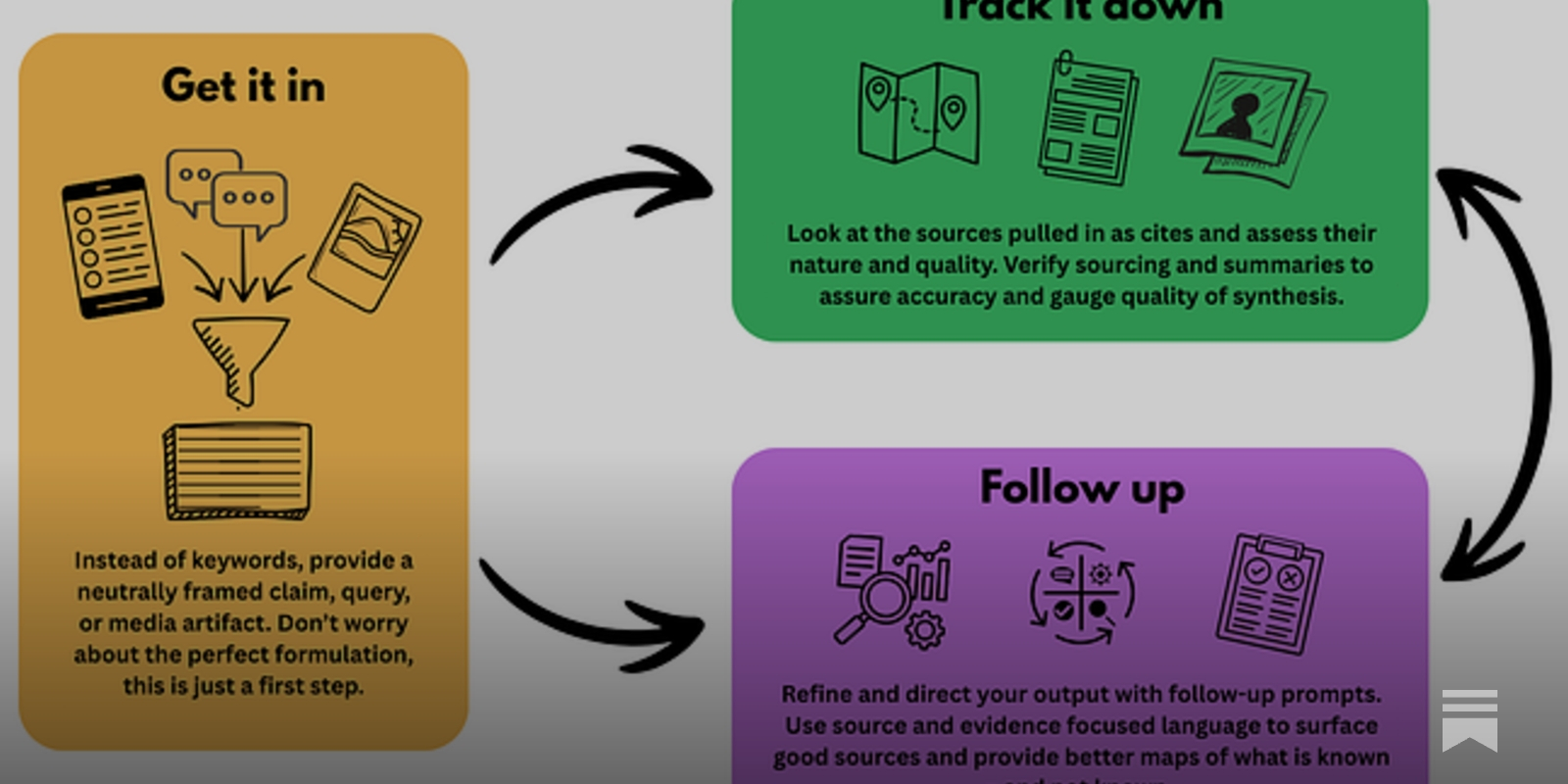
Why opinion on AI is so divided
AI power users are pulling away from everyone else.

How should social science think about AI?
Big structures and large processes are back, baby

Don't Write Like AI (1 of 101): "It's Not X, it's Y"
The #1 AI writing tell and a daily annoyance of millions.
AI Has Ruined the Job Market
Maybe flawed people were better than brute algorithms.

Knowledge Collapse
AI companies are racing to mechanize mathematics. Where does that leave human understanding?
Silicon Valley Doesn't Get Why You Hate AI
Technology leaders don’t seem to understand society’s gripes about AI, but boy, are they posting through it.

Algorithmic Bias · Open Encyclopedia of Cognitive Science
Algorithmic bias refers to prejudicial, discriminatory, unjust, inaccurate, or otherwise disparate performance or outcomes from algorithmic systems based on racial, gender, or other attributes of an individual or a group. The concept of algorithmic bias emerged at the intersection of computer science, artificial intelligence (AI) research, critical data studies, human–computer interaction, law, philosophy, and similar disciplines. Although problems and discrepancies at the model level denote the most commonly studied form of bias, the term algorithmic bias is also used as a shorthand to describe a multitude of problems and challenges at various steps of the AI pipeline from ideation, problem framing, training data curation and processing, model training and validation, and deployment as well as emergent issues that arise from interaction with the real world. Potential sources of bias, appropriate metrics to define, measure, and mitigate bias, and the utility and merit of technical approaches to bias mitigation are fiercely debated in the current AI landscape.

AI, peer review and the human activity of science
When researchers cede their scientific judgement to machines, we lose something important.

Trump and Musk's history obsession
The frenemies' strange obsession with historical "accuracy" has disturbing connections to big AI

Improving discoverability is the key thing - which a hard ux problem to solve without defaulting to algorithms. Forced algorithms are a bad solution to what needs to actually happen which is actually getting people to engage with others which modern social media has beat out of people

Jim Ray
One of my long held convictions is most people don't care about concepts like "openness" or "decentralization" or "interoperability" (people are busy!) but they do care about what those enable. It's the job of the much smaller number of people who do care to build the experience people will love.


