

The Joy of Becoming Worthless…except to each other — Douglas Rushkoff
My last piece, The Intentional Collapse, seems to have agitated a few people. I know it came off a bit dark. I talked about how the Uber wealthy believe the world as we know it is ending and that there won’t be enough essential resources to go around, so they need to take control of as much money and stuff and land as possible in order to position themselves for the end of days.
A Year of Magical Thinking
Elite impunity has fueled the fantasy that catastrophes are for other people.

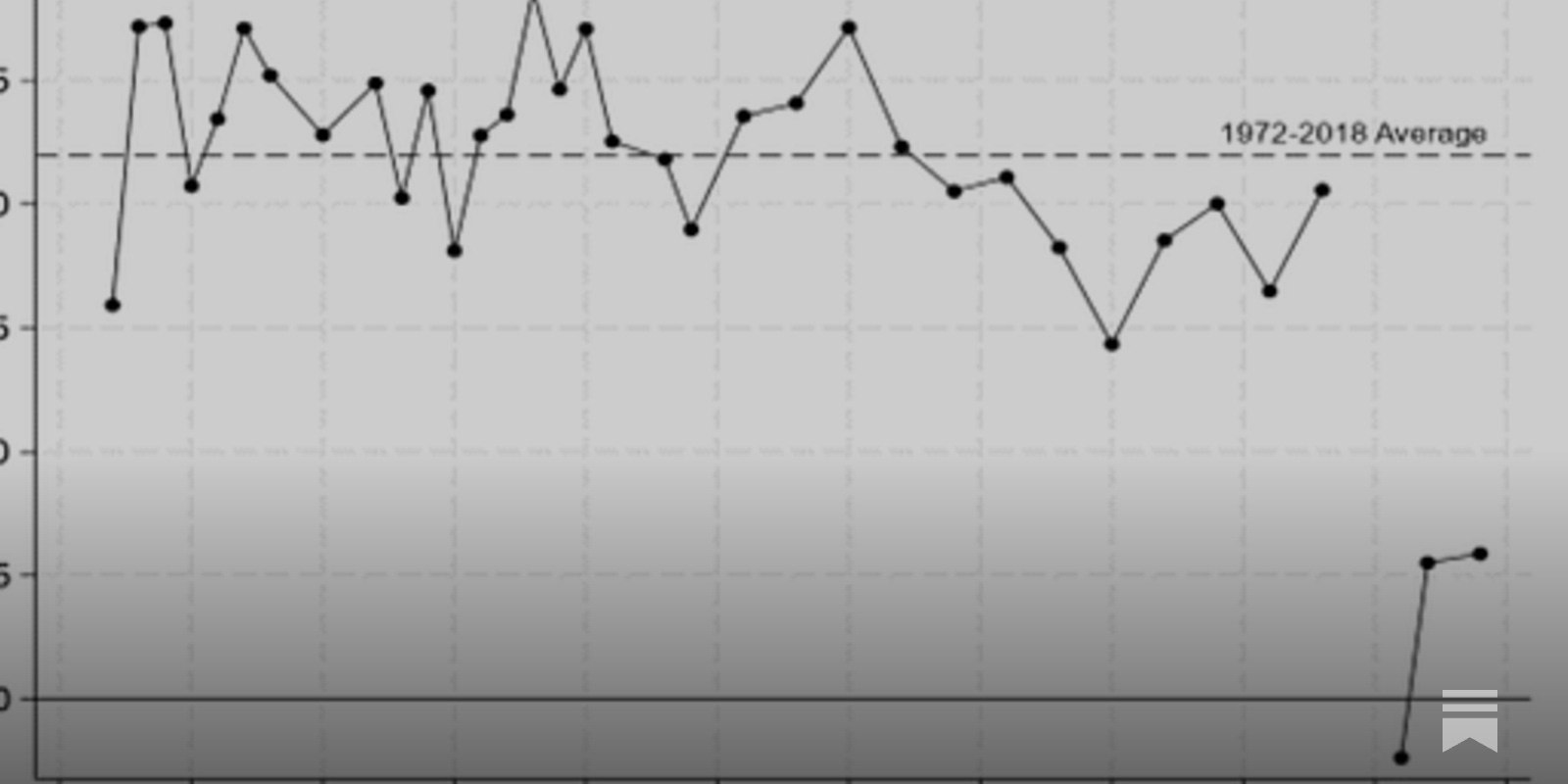
Opinion | When It Comes to Covid-19, Most of Us Have Risk Exactly Backward (Published 2020)
We aren’t very good at discussing trade-offs, but we need to make some during this pandemic.

annotations: La crise du Covid-19 exacerbe les injustices au travail
Blog de sciences économiques et sociales de Martin Anota. Traductions, revues de presse.
Lo and behold, the bourgeois gaslighting machine! - Lemmy
This thread is an exemplary case of how “we” (that is, liberal-minded minions uncritically parroting the talking points of the bourgeoisie) inhibit any social and class consciousness from sprouting in the proletarian mind. The original post, titled “Nothing worth having in life comes easily”, goes as such: >Yes it does. Yes it fucking does. For SOME people. >Some people were born into rich families. Money is worth having, and money came easily to them. >[…] >Some people are born white. Not being discriminated against must be nice. >I could go on. You get the fucking point. >Why do people on Reddit keep repeating this blatantly false platitude? There are countless of examples of people in this world who didn’t have to work for shit, yet many things came easily to them. As you might expect, the comments went on the offense to discredit OP’s sentiments, in different manners. The first category of comments involves invoking “life” as some natural order of things which is beyond human control, ergo it must be accepted. >I get what you mean life is unfair sometimes. >Life sucks and then we die. >Life is 100% unfair. Full stop. Get used to it. This defeatist attitude just dissuades any doubts in one’s mind regarding the viability of the current system. The second category includes comments that deny any exteriority to OP’s sentiments and focus on their own personal ailments: >Some people get so fixated on being victims of society that they seem to give away their own power to change their lives. >This post is somewhat delusional. Highly suggest to not compare your insides to other people’s outsides or you’ll always come away with a distorted perception. There are so many false assumptions in here I don’t know where to start but if you wanna pity yourself and put others on pedestals - knock yourself out. >Being mad and jealous, letting negative emotions permeate through every facet of your mind will make it better. Keep going. They’re basically saying: “the world is fine, the problem is you; and you should feel bad for feeling otherwise.” The third category involves comments that dilute the importance of wealth and socioeconomic status: >Every privilege you mentioned comes with its own set of problems. >It might not seem like it, but everybody has the same amount of issues as everyone else. >Dating, money, and privilege aren’t the meaning of life. An obvious case of blatantly gaslighting people struggling to survive when they realize the unfairness of capitalism. And an honourable mentions goes to those talking down white supremacy and systemic racism! >Agreed except for the white comment. Every race gets discriminated against, just in different ways. >Oh good more hatred of White people this will surely solve this loser’s personal problems. >Oh, if you are born white don’t worry, there will be plenty of people who will discriminate against you. One of the major political parties sanctions it. It’s socially acceptable. There’s plenty of people like you. You get the point. >Well white people get discriminated against and this is all very victim mentality based. There are many other arguments, but you get the point. They all share the same motive: the annihilation of any hint of social consciousness. It is tragic because, more often than not, it is the oppressed who are gaslighting themselves and not the bourgeois and capitalists. The latter outsource even the labor of propagating their foul logic and arguments to the proletariat.
Fauci speaks out about the pandemic, global health—and his own record
Attention Is All You Need #2: This Time Is Different
What can we learn from the 2007 Global Financial Crisis and the 1990’s dot-com bubble?


Alex Berenson: I Didn’t Fall for Covid Fearmongering. But AI Terrifies Me.
At first, Alex Berenson was skeptical that AI posed a grave danger to humanity. He now believes the White House, the U.S., and the world must move forcefully to reduce the risks of AI. Here’s what changed.

Cannibal Capitalism
Shortlisted for the Deutscher Memorial Prize 2023 Capital is currently cannibalizing every sphere of life-guzzling wealth from nature and racialized populations, sucking up our ability to care for each other, and gutting the practice of politics. In this tightly argued and urgent volume, leading Marxist feminist theorist Nancy Fraser charts the voracious appetite of capital, tracking it from crisis point to crisis point, from ecological devastation to the collapse of democracy, from racial violence to the devaluing of care work. These crisis points all come to a head in Covid-19, which Fraser argues can help us envision the resistance we need to end the feeding frenzy. What we need, she argues, is a wide-ranging socialist movement that can recognize the rapaciousness of capital - and starve it to death.
Predicting the Present
To quote Stewart Brand: This present moment was once the unimaginable future.

Cancer’s toll on 9/11 survivors is accelerating 25 years later
The number of victims receiving aid has tripled in recent years, a Post analysis finds, as the illness’s toll becomes more apparent.

Media Won’t Stop Psychologizing Long Covid
Media outlets that trumpet their journalistic integrity have used their prestige to launder an unproven, anti-science conspiracy theory about Long Covid.

“What we’ve got to understand is that this epistemic chaos, this collective psychosis, has risen as a result of the shareholder-driven model of global capitalism. What we’ve got to do is look at the mechanisms of that wealth pump itself & start to change that.” theecologist.org/2026/sep/09/soft-body-turtle

The soft body of the turtle
theecologist.org
