

Tumblr discovery got people book deals. Twitter made people famous. Tiktok influences the charts. MySpace intro'd us to our favorite bands. Vine! Clubhouse! platforms made some of the audience able to monetize for a bit privacy, ownership are compelling but not at scale. \hottake

Ron Bronson
The AT revolution is super cool, but it's not reaching normal people. The generation that played in web 2.0 have aged out of tinkering. It's noisier now too, but there's an even bigger part people are missing....
Jul 29, 2026 at 7:38 PM
Essay: How do you describe TikTok?
The automatic culture of the world's favorite new social network.
How Instagram's moderation rules are made
Ten Things I Learned from Two Months on Foursquare
Sree Sreenivasan explores the popular social media tool.
Social Media and News Fact Sheet %page%
Many Americans use social media for news: About a fifth or more regularly get news on Facebook, YouTube, Instagram and TikTok.

How TikTok Is Rewriting the World (Published 2019)
TikTok will change the way your social media works — even if you’re avoiding it.

The Follower Factory (Published 2018)
Everyone wants to be popular online. Some even pay for it. Inside social media’s black market.

How Platform Recommenders Work – Center for Human-Compatible Artificial Intelligence
A recommender system (or simply ‘recommender’) is an algorithm that takes a large set of items and determines which of those to display to a user—think the Facebook News Feed, the Twitter timeline, Google News, or the YouTube homepage. Recommenders are necessary tools to help navigate the sheer volume of content produced each day, but their scale and rapid development can cause unintended consequences. Facebook’s algorithms have been blamed for radicalizing users, TikTok’s for inundating teens with eating-disorder videos, and Twitter’s for political bias.
Death by a thousand likes: How Facebook and Twitter are killing the open web
Here’s one way to understand the symbiotic relationship between publications and platforms in the digital age. Publications depend on advertising dollars to keep producing content, so they need to hold readers’ attention. Big platforms like Facebook and Twitter already have plenty of attention, but they need vast quantities of content to fill up their newsfeeds. It seems natural, then, that publications have started relying on platforms to drive readership.
Shifts in U.S. Social Media Use, 2020–2024: Decline, Fragmentation, and Enduring Polarization
The social media ecosystem appears to be in flux. Twitter’s rebranding to X has come to symbolize a broader reorganization of online publics – political reshuffling, user attrition, and uncertainty over the role of legacy platforms. Simultaneously, the shift from text-based, networked feeds toward algorithmically curated, short-form video has accelerated, with TikTok setting the pace for the wider ecosystem [18, 14, 16]. At the same time, everyday communication increasingly migrates from large, open networks to semi-private spaces such as group chats and messaging apps. Commentators describe a digital public sphere in transition: smaller, more fragmented, less dominated by traditional social networking sites, and rise of more broadcast-oriented forms of media – with some even suggesting that we are seeing the beginning of the end of the social media era.
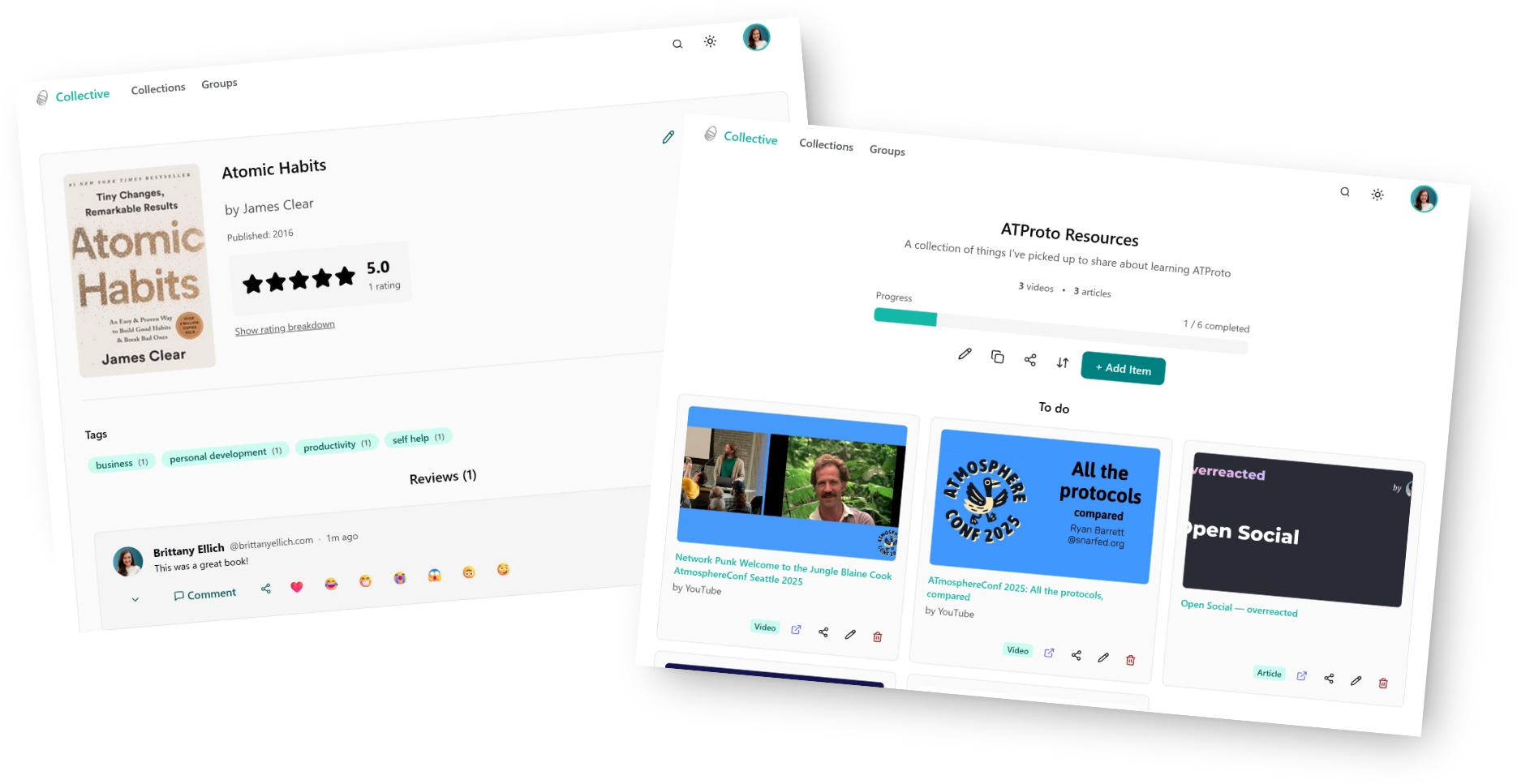
Collective Social | Track what you love. Share what matters.
Curate lists, track your progress, and share recommendations across books, movies, TV shows, and more — all on the open social web.
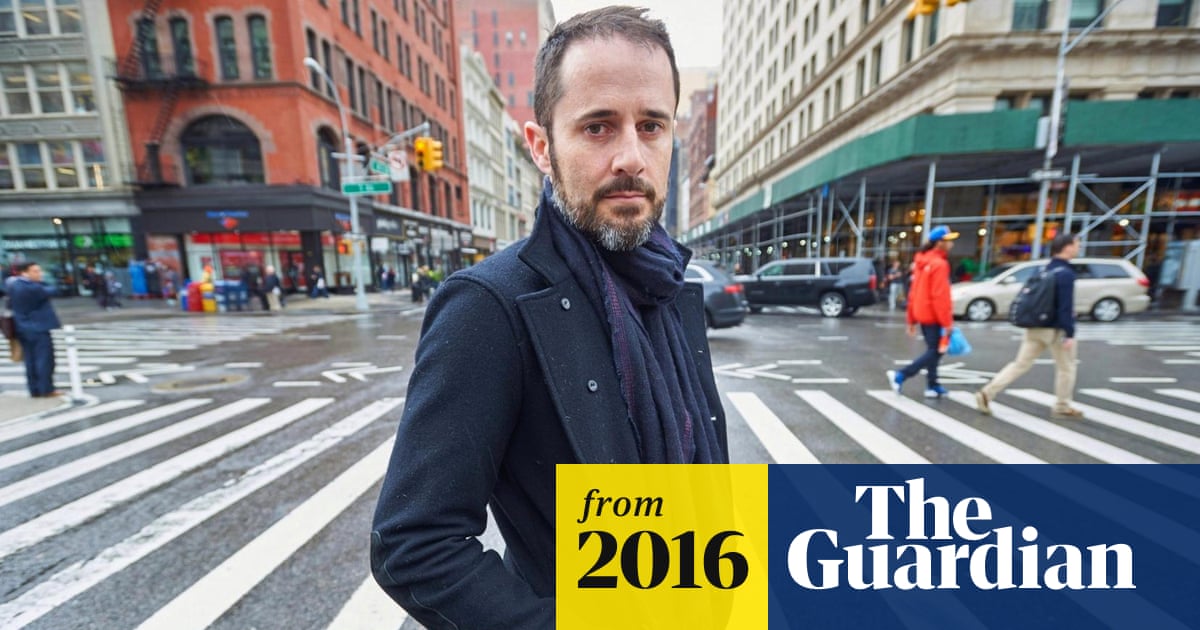
Medium and Twitter founder: ‘We put junk food in front of them and they eat it’
Ev Williams on feedback loops, giving a home to publishers, and finding critical mass
Facebook Wrestles With the Features It Used to Define Social Networking (Published 2021)
Likes and shares made the social media site what it is. Now, company documents show, it’s struggling to deal with their effects.

Why Influencers Suddenly Love Facebook. (No Joke.) “It’s My Biggest Source of Income”
A quiet overhaul of the 21-year-old platform’s monetization formula is winning over a new class of content makers.

Today some of the most innovative creators & podcasters are launching social websites that will bring millions of their fans to the social web: verge.surf.social decoder.surf.social versionhistory.surf.social vergecast.surf.social wired.surf.social 404media.surf.social poweruser.surf.social
