

An interesting report of a project at the Hertziana includes this note. I would argue that access to historical archives is actually hindered when you throw chat at something to transcribe handwritten metadata, which produces errors. But let's say you're willing to make this compromise. +
Oct 3, 2026 at 2:06 PM
The Vintage Technology Digital Archive
The Photographic Collection of the Bibliotheca Hertziana – from Mass Digitization to Online Navigator
The paper summarizes, how the Photographic Collection of the Bibliotheca Hertziana was digitized and made available to the public in a web application and addresses systematically why specific choices were made at each step with regard to organization of information, quality of available data and presentation.
The Skeleton Library
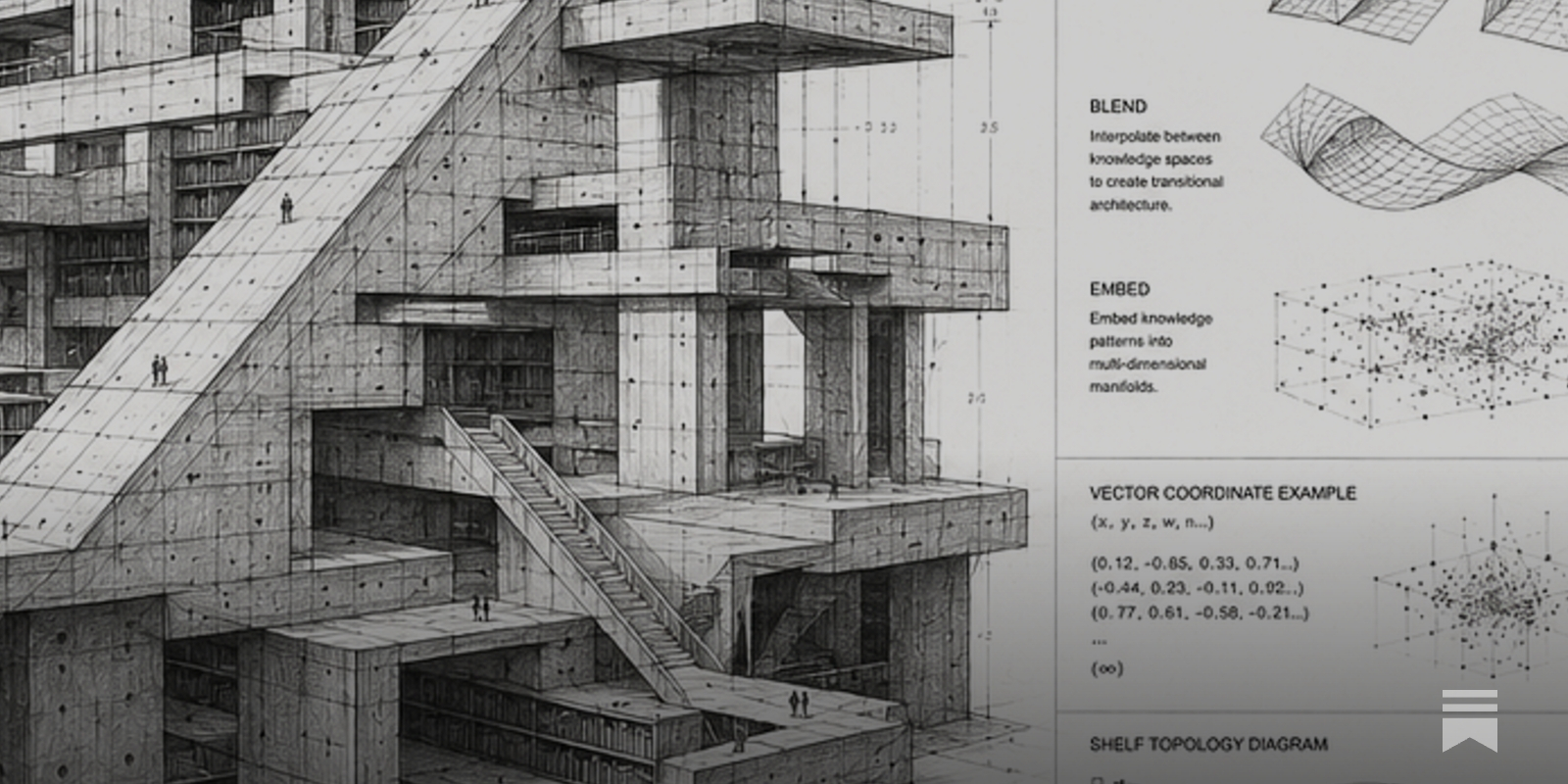
On Interpolatable Archives, Part 1: Compulsions to Connect, Warburg, Borges and Goldsmith, Cultural Technologies and Digital Oralities
Rethinking Digital Storage for Community-Based Archives
Over the last few decades, the standard procedure for storing and backing up data has been ‘put it in the cloud.’ Many of us use cloud…

Wikipedia:archive.today guidance
The English Wikipedia has decided to stop using archive.today and its related websites. This decision was agreed on after a request for comment with more than 200 participants concluded in February 2026, and is due to multiple concerns, including the site using editors' and readers' computers to run a denial-of-service attack and evidence that the website has tampered with some archived pages.
Archive Argues With Itself: a civic memory debugger
Ask Canada's public record: answers from Internet Archive Canada's government publications, every sentence cited to its scanned page, and a plain refusal when the record cannot answer.
Archiving web sites
I recently took a deep dive into web site archival for friends who were worried about losing co [...]
Incorporating Archives
Ready to make it official? Here you’ll find guides, samples and examples to make the process a bit easier.

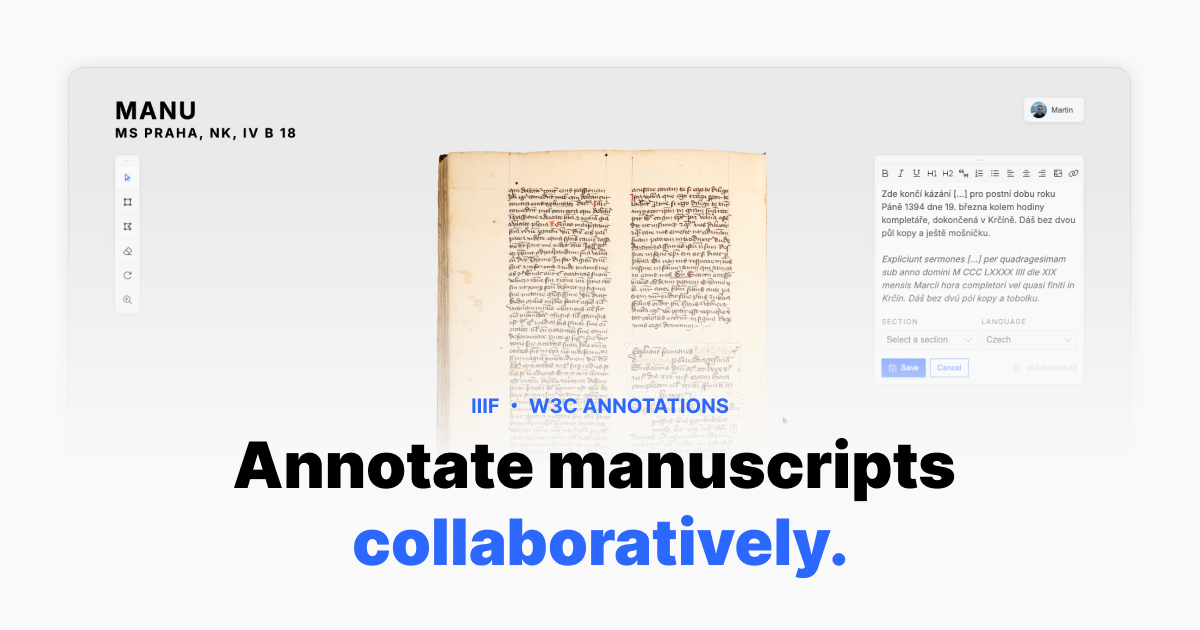
Manu ・ Manuscript Annotation & Visualisation
A collaborative platform for annotating, transcribing, and visualising historical manuscripts. Built on IIIF and W3C Web Annotations.
IIPC WAC 2024 Presentation: A Conceptual Model of Decentralized Storage for Community-Based Archives
The History of Library and Information Science: A Commentary | JSTOR
Robert M. Hayes, The History of Library and Information Science: A Commentary, The Journal of Library History (1974-1987), Vol. 20, No. 2, Spring, 1985
Reading Proposal 0016: What atproto’s “Permissioned Data” Actually Does - Nick's Blog
AT Protocol is public by default. Everything you write goes into a signed, archived, and rebroadcastable repository that anyone can read from and moves throu…
Back into blogging and just published something I've been thinking about for a while now – making archival content more resilient and discoverable on atproto. Oral history, interactive transcripts, content addressing, and keeping important stories from being quietly erased. maboa.it/resilient-archives-on-the-at-…

Keeping Archives Alive: Resilience and Discovery on ATProto
maboa.itPost-Archive-Everything

For me personally there is a journey here - I was a firm believer in archive everything. This peaked in a period where I was very interested in IPFS, CIDs, CAS, etc. Now, the next step. Post-Archive(-Everything). Through a series of conversations I came to the conclusion that forgetting is probably more powerful than remembering. The links in this collections play a similar note, or are related to my understanding of this.

FOSDEM 2026 - Willow - Protocols for an uncertain future
Willow - Home
I Deleted My Second Brain

